
The 2027 Asian Cup, football’s marquee tournament for Asia’s national teams, was once set to kick off on January 7, 2027. But by late 2026, the escalating conflict in the Middle East had made those plans untenable. The Asian Football Confederation (AFC) announced a postponement of nearly a year, shifting the tournament to December 23, 2027–January 21, 2028. The decision came after months of speculation and followed deadly attacks in Saudi Arabia, which raised serious concerns about safety and logistical feasibility.

The AFC cited ‘exceptional circumstances’—including travel disruptions and security risks—making the original schedule impossible. The conflict, fueled by regional tensions, had already disrupted other major sporting events. Just as the Saudi Formula 1 Grand Prix was canceled, the Asian Cup became the latest victim of instability in the region.
For Tony Popovic, Australia’s Socceroos coach, the delay introduced uncertainty into his own future. His contract with the national team expires after the tournament, and the rescheduling now leaves his position in limbo. The postponement also impacts other nations, forcing them to reschedule friendlies and prepare for a tournament that now falls during Europe’s peak club football season.
The conflict’s escalation reached a critical point in late 2026, when attacks in Saudi Arabia highlighted the risks of hosting such a high-profile event.
The conflict’s escalation reached a critical point in late 2026, when attacks in Saudi Arabia highlighted the risks of hosting such a high-profile event.
The AFC’s statement emphasized that the postponement was necessary to protect all stakeholders—players, officials, spectators, and teams. The delay was not just about security; it was also about the broader impact of instability on travel, logistics, and the ability to move 24 national teams through a volatile region.

🚨 #AsianCup2027 scheduled from January 7 to February 5, 2027 is now postponed. The new dates will be December 23, 2027 – January 21, 2028. READ 🔗 https://t.co/T2i7IzRZF5 https://t.co/J7iO8g2FDJ
The postponement reflects a growing trend: global sports events increasingly face disruptions due to geopolitical tensions. The AFC’s move sends a clear message—that even the most meticulously planned tournaments can be derailed by external forces.
With the new dates set for late 2027 and early 2028, the AFC now faces the challenge of securing FIFA’s approval while navigating the complexities of rescheduling teams and ensuring the tournament’s success.
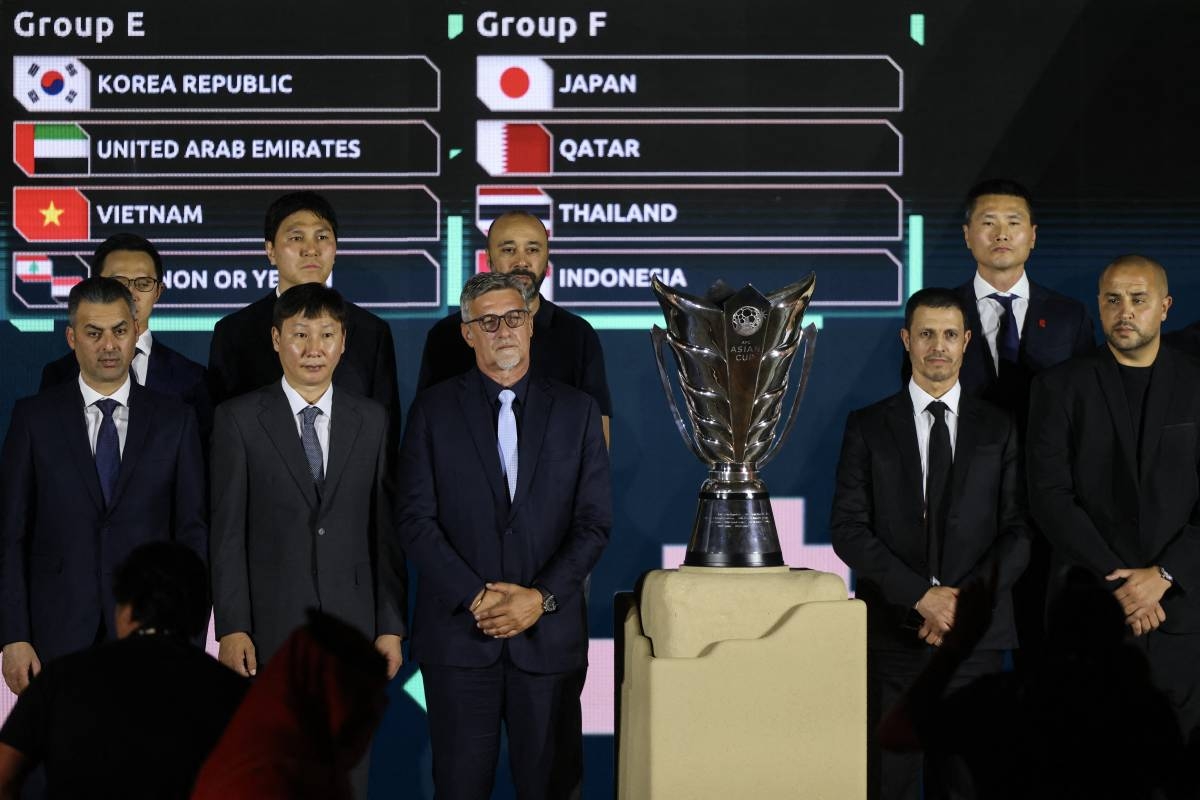
The Asian Cup’s postponement is more than a scheduling adjustment—it’s a reminder of how deeply sports are intertwined with global politics. As football continues to expand its reach, the challenges of hosting events in conflict zones will only grow. The AFC’s decision to delay the tournament is a pragmatic response, but it also signals the need for greater flexibility in an era where stability is far from guaranteed.

AFC Asian Cup Saudi Arabia 2027™️ has been rescheduled to 23 December, 2027 to 21 January, 2028 in Saudi Arabia. https://t.co/agp35cwndF