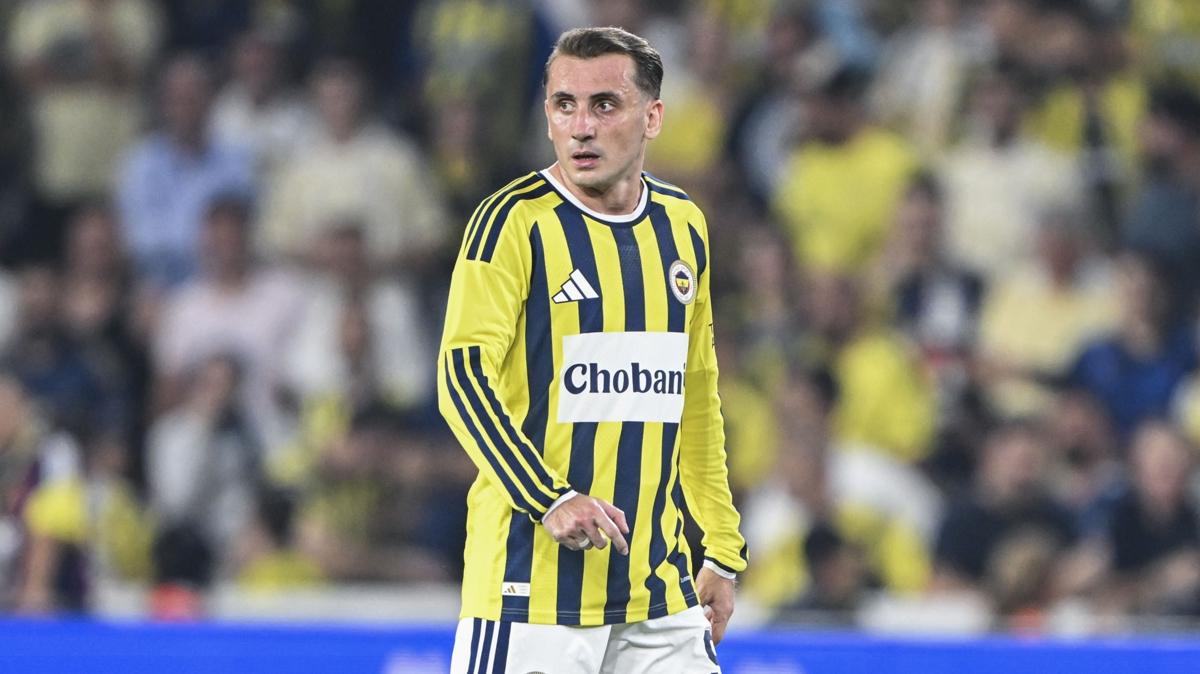
Imagine the pressure. Kerem Aktürkoğlu, a national football player, stepped onto the pitch for a Super Lig match between Fenerbahçe and Göztepe. The date was October 31st, 2026. He'd already played in 8 matches this season, contributing 1 goal and 3 assists in 403 minutes of play – a solid, if not spectacular, performance. But in the heat of the moment, with the crowd's expectations bearing down, things quickly spiraled. A weak shot attempt triggered a chorus of whistles from the Fenerbahçe supporters. It's a familiar sound in football, the disapproval of a demanding fanbase. Aktürkoğlu's reaction was anything but typical, as he responded in a way that instantly inflamed the situation.
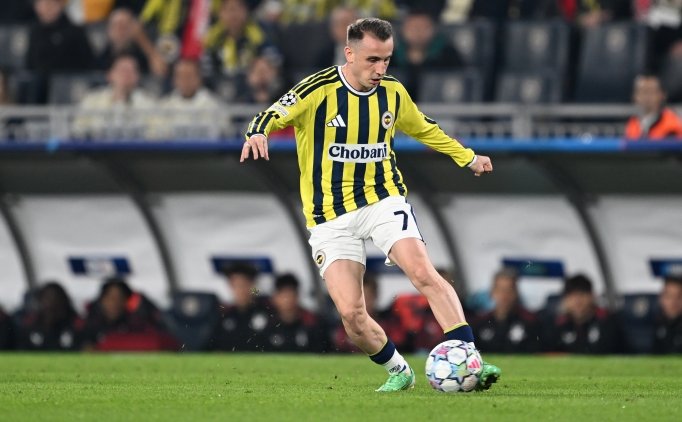
The reaction wasn't simply a moment of frustration; it was a flashpoint. The Fenerbahçe fans, already displeased with the missed opportunity, reacted strongly. The stadium became visibly divided. While the home supporters voiced their disapproval, a surprising counter-current emerged from the Göztepe fans. They began to show their support for Aktürkoğlu, a gesture that highlighted the complex emotions swirling around the player and the match. This kind of fan dynamic – opposing sides uniting in reaction to a single event – isn't uncommon in the passionate world of Turkish football, but it added another layer of intrigue to an already tense situation.
Amidst the uproar, a key figure stepped forward: Dirk Kuyt, Fenerbahçe's technical director. Kuyt, a former player himself, made a deliberate move to interact with the crowd, actively urging them to support Aktürkoğlu. This wasn't a reprimand of the fans, but a direct appeal for unity. Kuyt's intervention was a significant moment, signaling a clear stance from the club's leadership. It was a public demonstration that, despite the frustration, Aktürkoğlu still had the backing of the team. This kind of support from a technical director is crucial in navigating these delicate moments, potentially shielding a player from a prolonged period of negativity.
The goal, therefore, became less about a sporting achievement and more about a test of the fans' willingness to forgive and move forward.
Despite the earlier tension, Aktürkoğlu managed to score a goal during the match. It was a moment that should have been purely celebratory, but the preceding events cast a shadow over it. The goal didn't immediately quell the fan reactions; the incident continued to be a talking point. It highlighted the precarious position of a player who, despite contributing to the team, had simultaneously alienated a portion of the fanbase with a single, impulsive act. The goal, therefore, became less about a sporting achievement and more about a test of the fans' willingness to forgive and move forward.
Looking at Aktürkoğlu's overall performance leading up to this match, the situation seems even more nuanced. He had played 403 minutes across 8 matches, contributing 1 goal and 3 assists. These aren't insignificant numbers, suggesting a player who is actively involved in the team's offensive efforts. Yet, the fans' reaction suggests that statistics alone aren't enough to satisfy their expectations. In modern football, the emotional connection between players and supporters is often as important as on-field performance, and Aktürkoğlu had, at least temporarily, fractured that connection.
The support from Göztepe fans was perhaps the most unexpected element of the story. It's rare to see opposing fans rally behind a player from the rival team, but it happened here. This could be attributed to a number of factors – perhaps a recognition of Aktürkoğlu's talent, or a shared disdain for overly critical fans. Whatever the reason, it demonstrated a level of sportsmanship that transcended the usual rivalry between the two clubs. It also highlighted the potential for fans to connect with players on a human level, even when they represent opposing teams.
The incident with Kerem Aktürkoğlu remains a point of discussion among Fenerbahçe fans. While the immediate tension has subsided, the episode serves as a reminder of the intense scrutiny players face and the importance of managing emotions on the pitch. The story underscores the volatile and often unpredictable nature of football fandom, where a single moment can define a player's narrative.