
On October 28, 2026, Moscow prepared to host the Third Russia-Africa summit and its accompanying economic and humanitarian forum. The event was designed to be a moment of global significance, a gathering of leaders and diplomats intended to reshape geopolitical and economic ties. But as the summit unfolded, the focus shifted from the halls of diplomacy to the darkened skies above the capital. The atmosphere of international cooperation was abruptly punctured by the mechanical hum of an aerial assault, turning a moment of high-level statecraft into a scene of urgent defense.
What followed on October 29 was not a mere skirmish, but what has been described as the largest drone attack in scale since the beginning of the conflict. The sheer volume of the assault was staggering: 613 drones were deployed in a coordinated effort to penetrate the city's defenses. This was a massive, synchronized movement of unmanned aerial vehicles, a scale of engagement that marked a significant escalation in the nature of the ongoing hostilities. The sheer number of targets forced a massive mobilization of the city's protective layers, turning the night into a theater of electronic and kinetic warfare.
As the swarm approached, the Russian air defense systems were put to their most rigorous test to date. The objective was to intercept the incoming projectiles before they could reach the heart of the city. According to official accounts, the defense systems responded with precision, managing to neutralize 231 of the drones before they could reach their targets. While the sheer volume of the attack remained overwhelming, the effectiveness of the interception was highlighted by the Kremlin as a vital success in maintaining the city's security during a period of extreme vulnerability.
He noted that the attack occurred exactly as Moscow was hosting a world-scale event.
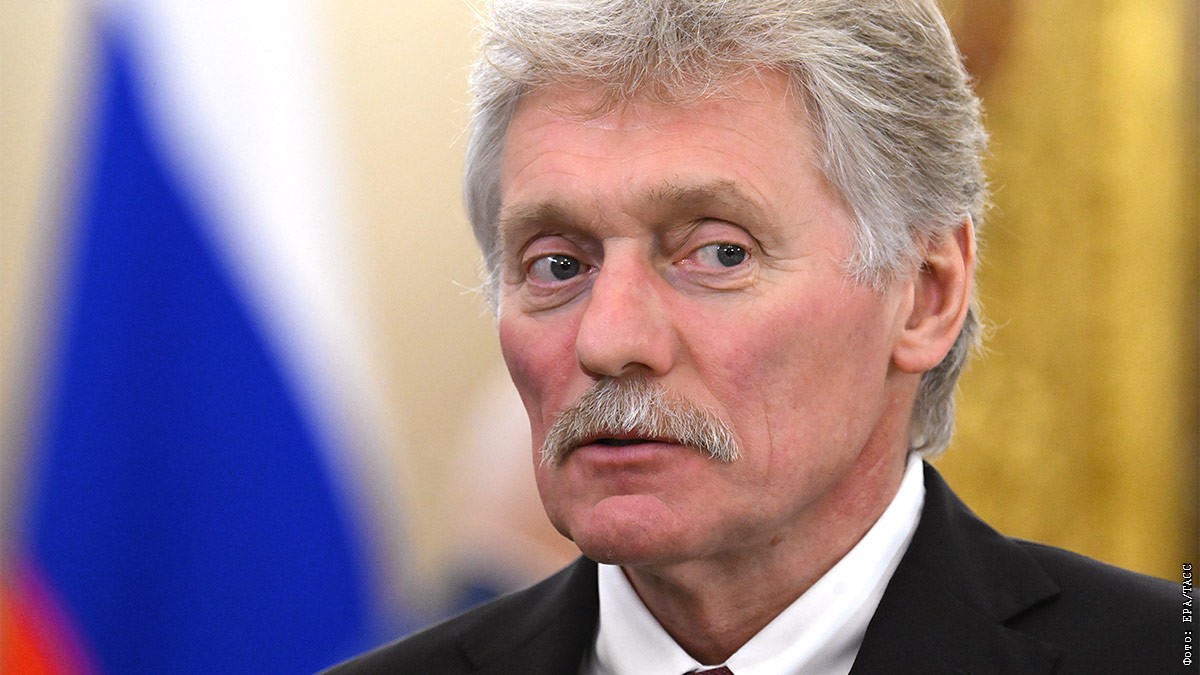
In the wake of the chaos, Dmitry Peskov, the press secretary for the Russian President, addressed the media to make sense of the event. Speaking in an interview with 'Vesti', Peskov did not focus solely on the mechanics of the interception, but on the peculiar timing of the assault. He noted that the attack occurred exactly as Moscow was hosting a world-scale event. To Peskov, the decision to organize such a massive drone attack while the eyes of the international community were fixed on the Russian capital was a detail that could not be ignored.
For the Kremlin, the coincidence was too pointed to be accidental. Peskov characterized the incident as "strange," emphasizing the friction between the diplomatic mission of the summit and the kinetic reality of the drone swarm. He remarked that because the summit was a global event taking place in the capital, organizing a mass drone attack at that specific moment felt inherently out of place. The intersection of high-level international dialogue and large-scale military aggression created a paradox that the Russian leadership viewed with deep suspicion.
Beyond the immediate shock of the attack, the incident was used by the Russian government to reinforce its existing military posture. Peskov argued that the attempt on Moscow served as a practical confirmation of the necessity of the "Special Military Operation" (SVO). From the perspective of the Kremlin, the drone swarm was not just an attack, but a piece of evidence. He stated that the attempt to strike the capital confirms that the SVO must continue so that Russia remains insulated from such threats.
As the dust settled from the October 29 engagement, the narrative from Moscow was one of both vigilance and resolve. The administration emphasized that the effectiveness of the air defense systems was a point of relief, yet the event served as a stark reminder of the ongoing nature of the conflict. The message from the presidency was clear: the threats to the capital are persistent, and the measures taken to counter them are viewed as essential for the nation's long-term security. As the summit concludes, the shadow of the 613 drones remains, framing the current state of the conflict as one where diplomacy and high-tech warfare are increasingly inseparable.