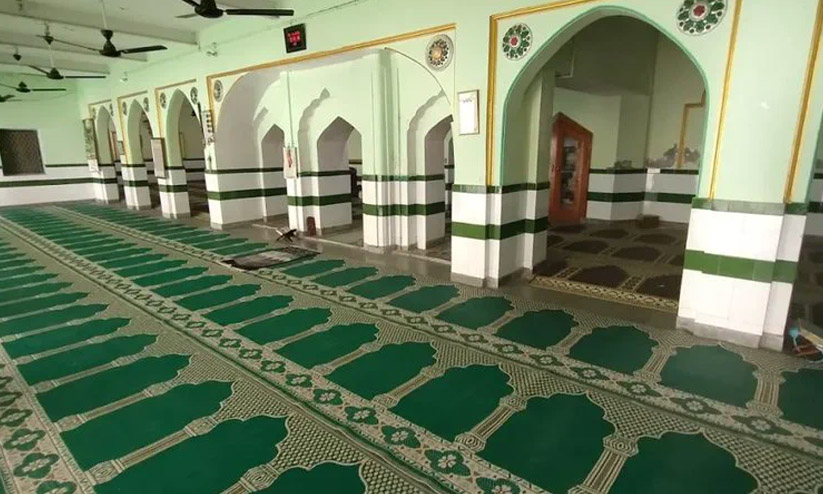
In the heart of West Delhi, a modest stone structure known as the Race Course Mosque has stood for more than a century, its arches echoing the prayers of generations. Officially registered as a waqf property on January 1, 1977, the mosque is listed as over 150 years old, a testament to the layered history of the capital’s urban fabric. Yet that very longevity now places it at the center of a legal and bureaucratic tug‑of‑war, as demolition crews work nearby and the question of worship access hangs in the balance.

Syed Ahmad Saud, a resident who has long attended the mosque, filed a petition in the Delhi High Court fearing that worshippers were being barred from entering the sacred space. "The mosque is in danger of being demolished," Saud warned, arguing that the ongoing construction threatened both the building’s physical integrity and the community’s right to pray. His filing sought a court order compelling the central government to allow namaz within the mosque’s walls, a request that quickly drew the attention of the judiciary.
On Thursday, October 29, 2026, a bench headed by Justice Anish Dayal delivered a decisive judgment. The court acknowledged the petitioner’s concerns but emphasized that it could not force the central government to grant prayer access while demolition work continued in the vicinity. "It cannot force them to give it for prayers. It's not the only thing. You are trying to protect the monument," Justice Dayal explained, underscoring that safety for worshippers and preservation of the structure were paramount. The bench noted that similar restrictions applied to a nearby temple, highlighting a broader pattern of limited access due to construction hazards.
The court, respecting this procedural pause, directed the government to file a status report and scheduled the next hearing for December 16, 2026.
Representing the central government, counsel Aashish Dikshit informed the bench that demolition of the mosque would not proceed until the Delhi Waqf Board reaches a decision on its application. This assurance, while offering a pause on physical destruction, did not translate into permission for worship. The government’s position, as articulated in court, remained neutral: it would not allow construction until the waqf authority’s verdict, yet it also could not be compelled to open the mosque for prayers under the present safety conditions.
The Delhi Waqf Board, the statutory body overseeing Muslim endowments, has yet to render a final ruling on the mosque’s status. Both the board’s representative and the central government assured the court that no harm would befall the mosque while the board deliberates. The court, respecting this procedural pause, directed the government to file a status report and scheduled the next hearing for December 16, 2026. Until that date, the legal impasse remains, leaving worshippers without a clear path to resume prayers.
The judgment leaves three critical threads dangling. First, the demolition work continues, meaning the physical environment around the mosque remains hazardous. Second, the waqf board’s pending decision creates an administrative vacuum; without its verdict, the court cannot issue a definitive order on access. Third, the scheduled December hearing signals that the dispute will linger, with the possibility of further legal arguments about safety, heritage preservation, and religious rights.

Thank you,@KumaarSaagar for recognizing and showcasing the commendable work of North-West District, Delhi Police.🙂
The Race Course Mosque case illustrates the delicate balance Delhi must strike between urban development, heritage conservation, and the constitutional guarantee of religious freedom. While the court refrained from ordering prayer access, it also signaled that safety cannot be ignored in the name of religious practice. For a city where historic sites often share space with modern infrastructure projects, the outcome may set a precedent for how similar disputes are adjudicated.
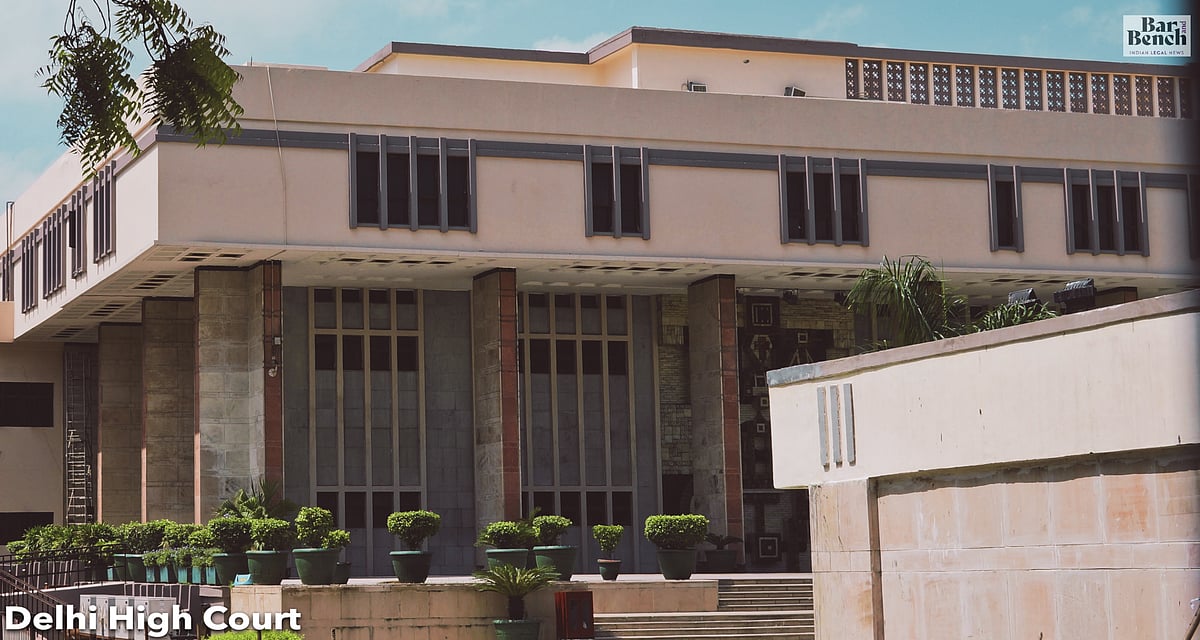
As the legal process unfolds, the mosque’s congregants await a decision that could either safeguard their place of worship or consign it to further uncertainty. The next hearing on December 16, 2026 will determine whether the waqf board’s forthcoming ruling will tilt the scales toward preservation, demolition, or a compromise that reconciles safety with spiritual needs.
Beyond the immediate controversy, the case underscores a broader question: how does a rapidly expanding metropolis protect its centuries‑old religious monuments while accommodating growth? The Delhi High Court’s refusal to compel the central government reflects a cautious approach, one that prioritizes immediate physical safety over an abstract right to worship in a specific location. Whether this stance will be viewed as prudent restraint or an impediment to religious liberty will likely depend on the waqf board’s eventual decision and the subsequent actions of the government.
In the meantime, the Race Course Mosque stands as a silent witness to the city’s evolving narrative—a structure that has survived more than a century of change, now awaiting a verdict that could define its next chapter.