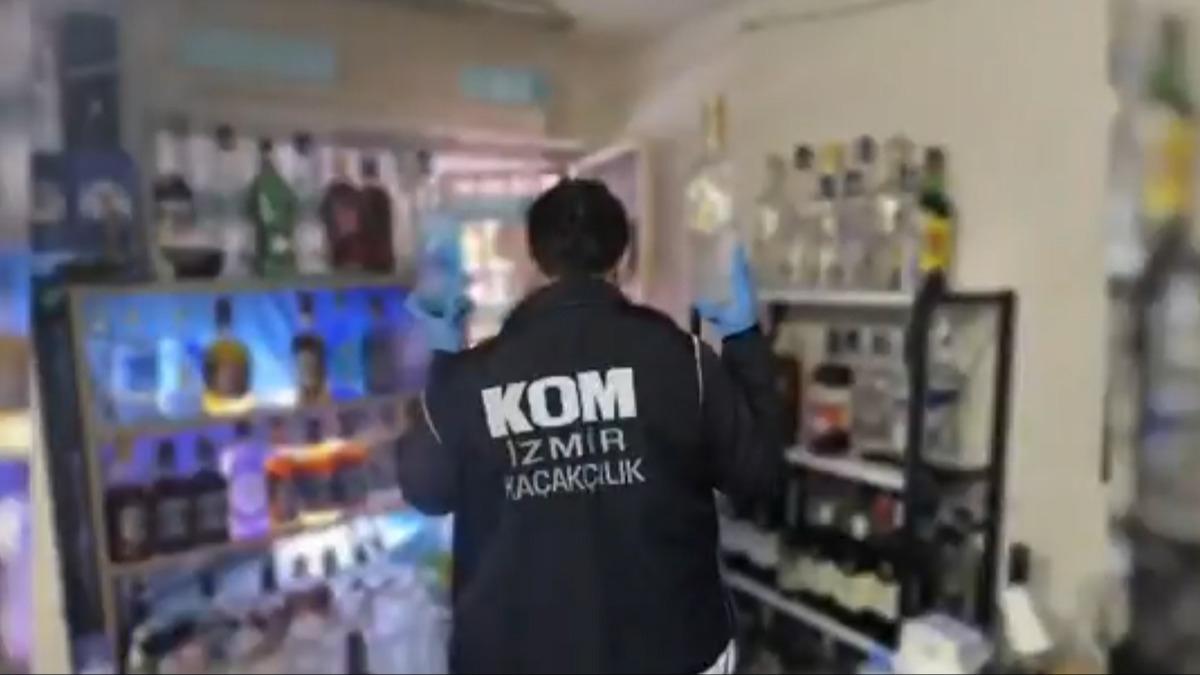
In recent simultaneous operations, the landscape of Turkey’s illicit trade shifted as a series of raids swept across the country. The target was not a single entity, but a sprawling, decentralized network of counterfeiters and smugglers. Working in close coordination, the Ministry of Interior, the General Directorate of Security, and the Public Prosecutor's Office launched a multi-front assault on the production and sale of fake and smuggled alcohol. It was a moment of high-stakes law enforcement, aimed at dismantling a shadow economy that operates just out of sight of the tax collector and the consumer alike.

The sheer volume of the materials recovered during these raids paints a picture of an industry operating at a significant scale. Authorities did not just find a few rogue batches; they uncovered a massive reservoir of raw materials and finished products. In total, 44,677 liters of ethanol were seized—the high-proof spirit that serves as the foundation for much of the illegal trade. Alongside this massive quantity of raw alcohol, officials recovered 5,754 liters of fake and counterfeit alcohol, along with 1,017 bottles of smuggled and counterfeit spirits.
To understand how such quantities move through a country, one must look at where they are born. The operations were not merely street-level busts; they were strikes against the source. Law enforcement successfully decoded and raided nine illegal alcohol production facilities. These are the clandestine laboratories where raw ethanol is often processed into consumer-ready products, frequently without the safety standards or regulatory oversight required for legitimate spirits. By targeting these nine sites, the authorities struck at the very heart of the manufacturing process, disrupting the ability of these networks to replenish their stock.
This included 821 fragrances, used to mimic the flavor profiles of legitimate brands.
The illicit trade often relies on more than just alcohol to maintain its grip on the market. During the raids, investigators found a variety of secondary goods that support the counterfeit economy. This included 821 fragrances, used to mimic the flavor profiles of legitimate brands. Perhaps most concerning was the discovery of weaponry within these networks: six pistols, three hunting rifles, and 182 magazines were seized. The presence of these firearms suggests that the trade of counterfeit alcohol is not merely a matter of white-collar tax evasion, but a sector capable of organized, armed resistance.
While the physical danger of counterfeit alcohol is a matter of public health, the economic implications are equally profound. The Ministry of Interior reported that these operations prevented approximately 95 million Turkish liras in tax losses. When alcohol is produced and sold outside of official channels, the state loses the revenue that would otherwise fund public services. By intercepting these shipments and shutting down these facilities, the coordinated effort acted as a massive recovery operation for the national treasury, reclaiming the value of millions of liras that had been diverted into the pockets of smugglers.
The legal consequences of the operations were immediate and widespread. The crackdown resulted in legal proceedings being initiated against 121 suspects. These individuals, caught in the dragnet of the simultaneous operations, face the weight of the law as the state seeks to prosecute the various roles played within the smuggling and counterfeiting rings. From the producers in the illegal facilities to those managing the distribution of the seized bottles and ethanol, the 121 suspects represent the human infrastructure of the shadow market.
As the dust settles on these simultaneous raids, the scale of the disruption is clear. With nine production sites dismantled and tens of thousands of liters of ethanol and counterfeit spirits removed from the streets, the authorities have sent a signal to the illicit market. The combination of massive seizures, the recovery of weapons, and the prevention of 95 million Turkish liras in tax losses marks a significant moment in the ongoing battle against the trade and production of fake and counterfeit alcohol across Turkey.