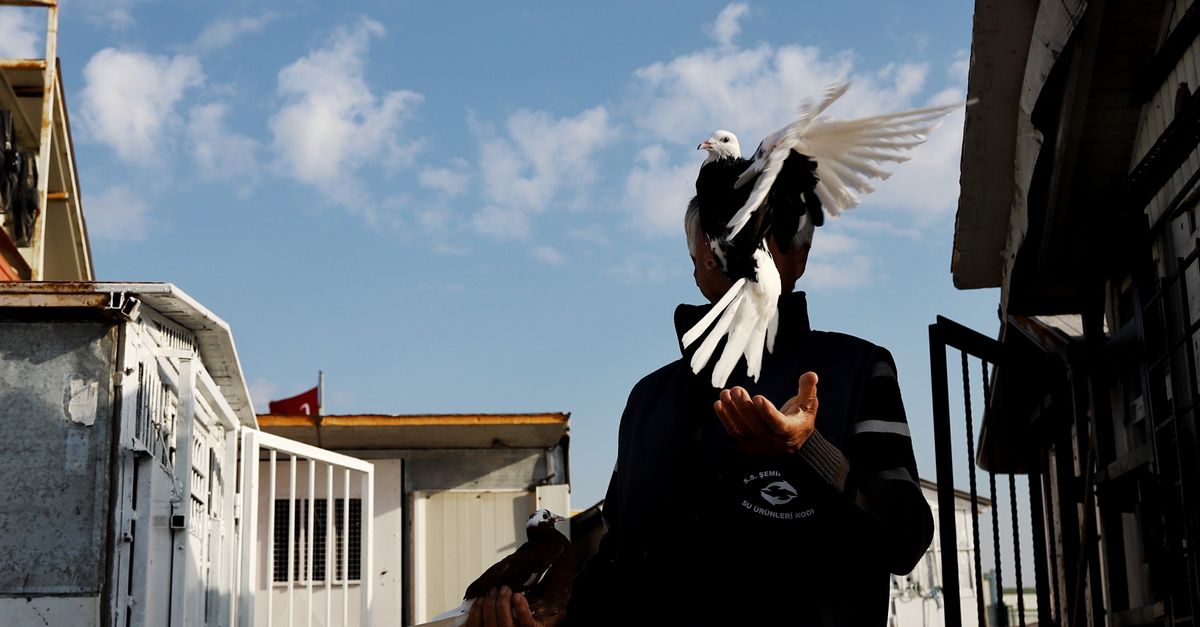
For much of his adult life, the discipline of the Turkish Armed Forces dictated the rhythm of his days. For thirty-two years, he served as a non-commissioned officer, navigating the rigid structures and demanding schedules of military life. In 2019, his final post brought him to Erzurum, a city in eastern Turkey known for its harsh winters and rugged landscape. It was there that he transitioned from active duty to retirement, a shift that marked the end of a professional era and the beginning of a personal one.
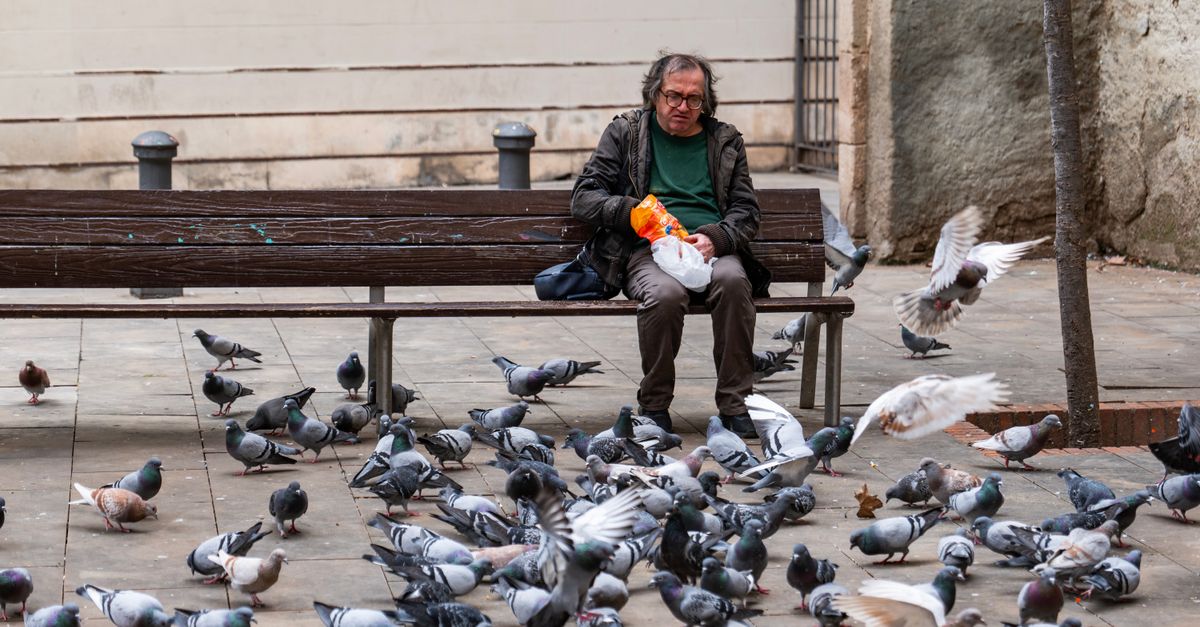
But the transition was not merely about leaving a uniform behind. It was about finally reclaiming a curiosity that had been dormant since his youth. For Özkalıpçı, the interest in pigeons was never a passing whim; it was a fundamental part of his identity that had been sidelined by the necessities of a long military career. He recalls that while the fascination was present in his childhood and young adulthood, the realities of his working conditions made it impossible to nurture. The time required to care for such creatures simply did not exist within the confines of his service.
Retirement, in this case, acted as a gateway to a world that many might find financially incomprehensible. Rather than scaling back his expenses, Özkalıpçı has scaled up his commitment to a flock of nearly forty pigeons. To house them, he has taken on the responsibility of renting a dedicated space, a decision that turns a hobby into a full-scale operation. The monthly rent for this sanctuary stands at 3,500 lira, but the true cost of maintaining the birds' environment is far more complex.
For seven years, he has meticulously tended to these birds, navigating the nuances of their care and the rhythms of their lives.
When the winter months arrive, the financial burden intensifies. The necessity of keeping the birds warm and the infrastructure running means that the monthly expenses—accounting for electricity, water, and the fuel for the stove—climb to 10,000 lira. In a world where every lira is carefully weighed, this is a significant investment for a single individual, yet for Özkalıpçı, the math is secondary to the mission.
Within this rented sanctuary, the flock is not merely a collection of birds, but a specific assembly of breeds. He focuses his care on what are known as Şebap pigeons, specifically those categorized under the terms 'Miski' and 'Gök.' These distinctions represent more than just aesthetic preferences; they are the markers of a specialized interest that requires precision and understanding.
For seven years, he has meticulously tended to these birds, navigating the nuances of their care and the rhythms of their lives. This period of dedicated stewardship has transformed a childhood dream into a daily reality, turning the quiet hours of retirement into a period of active, purposeful engagement with the natural world.
There is a certain irony in the economics of avian passion. While the collective market value of a flock of this caliber could reach millions of lira, Özkalıpçı refuses to engage in the transactional mindset that often governs such collections. To him, the birds are not assets to be liquidated or commodities to be traded for profit.
When asked to place a price on his birds, he finds the question fundamentally flawed. The value he derives from the flock cannot be captured in a ledger or measured by a market index. Instead, he finds his return on investment in the social fabric that the birds have woven around him. The friendships and the sense of community that have blossomed through this pursuit are, in his view, far more significant than any monetary figure.
In the military, time is a resource managed by command; in retirement, it is a resource managed by the self. Özkalıpçı views his current life through this lens of reclaimed autonomy. He notes that retirement provided the essential ingredient that his career had denied him: the opportunity to dedicate time to these creatures.
What began as a curiosity in his youth has become the cornerstone of his post-service life. The forty pigeons are not just inhabitants of a rented house; they are the living embodiments of a dream that waited three decades to be realized. For a man who spent his life following orders and maintaining readiness, the quiet, steady work of tending to his flock represents a different kind of service—one where the only requirement is the time to care.