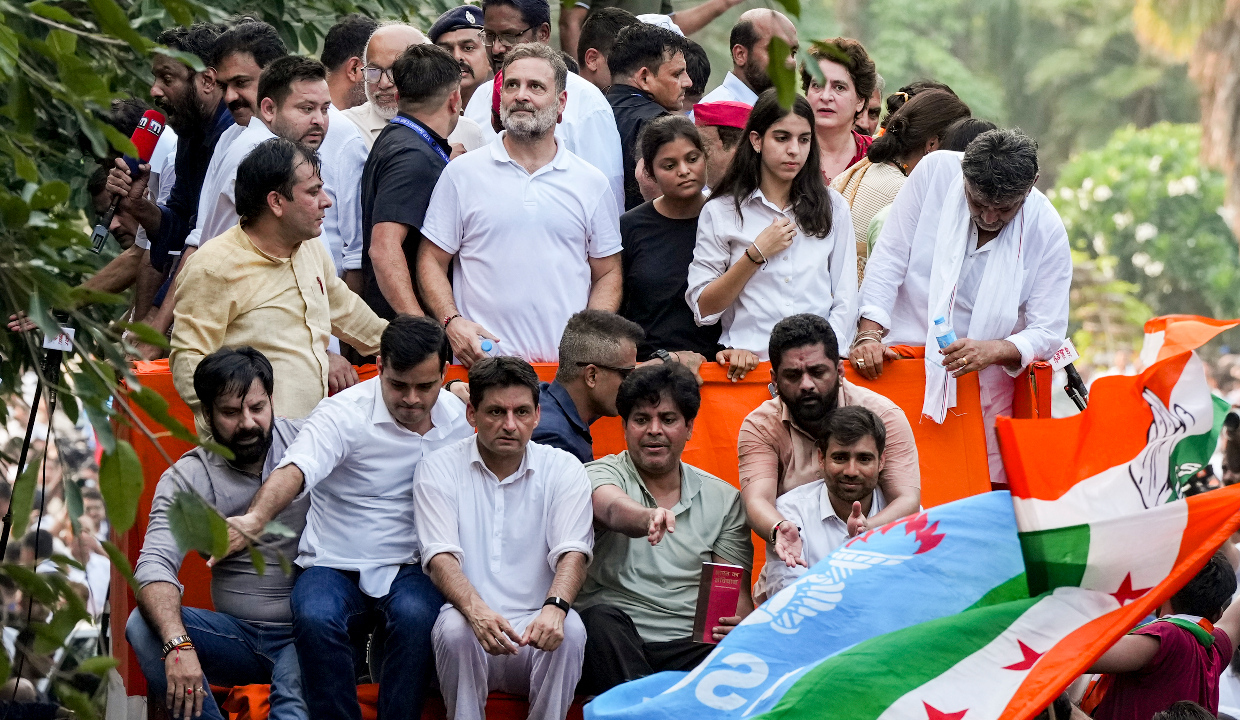
In the high-stakes arena of Indian electoral politics, the path to the courtroom is often paved with as much bureaucratic friction as legal strategy. For Congress leader Rahul Gandhi and a group of other INDIA bloc leaders, a recent attempt to challenge the Election Commission of India’s Special Intensive Revision (SIR) of electoral rolls has encountered a significant, if technical, roadblock. On the date the Supreme Court Registry issued objections, it issued a series of formal objections, effectively freezing the petition in its tracks. What was intended to be a robust legal assault on the integrity of voter roll modifications has, for the moment, been reduced to a list of administrative corrections.
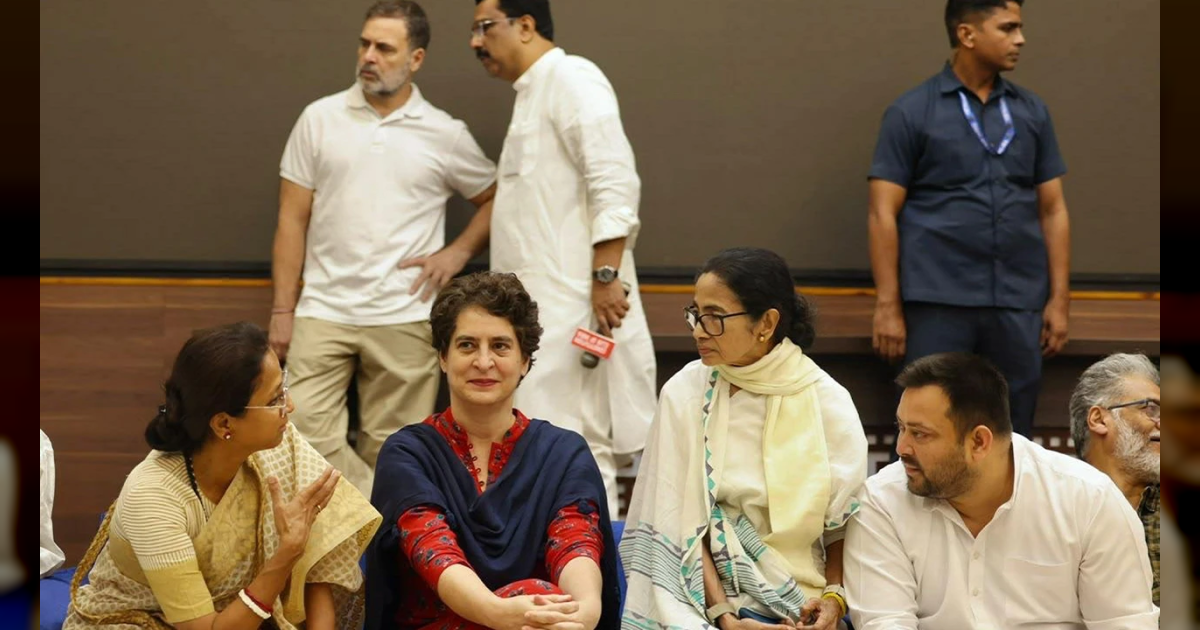
The Supreme Court Registry, the administrative backbone that ensures filings meet the rigorous standards of the nation’s highest court, identified 14 distinct defects within the submitted documentation. These flaws range from the mundane to the substantive. Among the issues flagged were missing legal authorizations, discrepancies in annexure dates, and inconsistencies in case numbers. The Registry also noted that certain pages were either illegible or entirely missing from the submission. For a petition of such political magnitude, the failure to clear these basic hurdles highlights the uncompromising nature of judicial filing requirements.
Beyond the formatting errors, the petition faced specific challenges regarding its financial and personal filings. The Registry pointed to a shortfall of 220 rupees in the required court fees, a seemingly minor administrative oversight that nonetheless prevents the processing of the case. Furthermore, the petition faced scrutiny over the inclusion of specific individuals as respondents. The document named three serving election commissioners individually, a decision that the Registry has questioned. Additionally, the petitioners were asked to provide a clear copy of co-petitioner Mallikarjun Kharge’s identity card, and corrections were demanded regarding respondent details on page nine of the filing.
The document named three serving election commissioners individually, a decision that the Registry has questioned.
At the heart of the dispute is the Election Commission’s Special Intensive Revision exercise, a process that Rahul Gandhi and his fellow opposition leaders claim has been marred by procedural lapses and the systematic deletion of voters. The petition seeks the formation of an independent committee, to be headed by a retired Supreme Court judge, to conduct a comprehensive audit of the modifications made to the electoral rolls. The petitioners specifically point to a decision referenced in the petition as a primary point of contention. By seeking an external audit, the opposition is essentially questioning the transparency of the Election Commission’s internal mechanisms.
The move to challenge the electoral process has not gone unnoticed by political rivals. The Bharatiya Janata Party has been quick to frame the petition as an act of political theater, accusing the Congress party and its allies of attempting to undermine democratic institutions. While the legal battle remains stalled in the registry, the political narrative is already in motion. The opposition leaders, including Rahul Gandhi and Mallikarjun Kharge, had marched to the Supreme Court on the following day to submit their plea, signaling a high-profile commitment to the cause that now faces a quiet, technical delay.
For now, the petition cannot be listed for an urgent hearing. The Supreme Court Registry has made it clear that the matter will remain in limbo until all 14 identified deficiencies are rectified. This process of correction is not merely a formality; it is a necessary step to ensure that the court’s time is not consumed by incomplete or improperly filed litigation. As the opposition leaders scramble to address the missing paragraphs, the fee shortfalls, and the naming of the election commissioners, the broader question of the electoral roll’s integrity remains suspended, waiting for the petitioners to clear the administrative bar they have yet to vault.