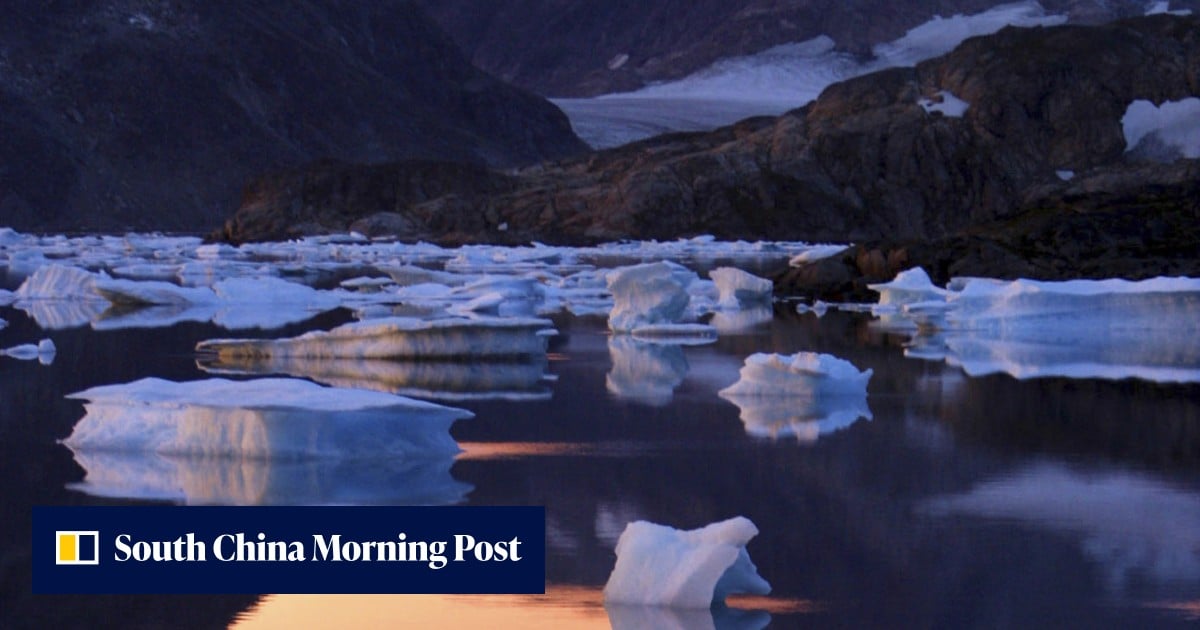
For decades, the Arctic was viewed through a lens of scientific cooperation and environmental preservation—a quiet, frozen frontier. But that stillness has broken. The high North is no longer just a landscape of ice and research stations; it has become a theater of geopolitical maneuvering where the interests of global powers are colliding with increasing intensity.
On October 20, 2026, the European Commission signaled that the era of Arctic tranquility is officially over. By unveiling an updated Arctic strategy, the EU is attempting to draw a line in the snow, responding to a reality where the region is being reshaped by the ambitions of Russia and China. The strategy is not merely a policy document; it is a defensive posture designed to protect European interests in a territory that is becoming a central arena for global power competition.
The motivation behind this sudden strategic clarity is rooted in a changing demographic of influence. Kaja Kallas, noting the shifting tides, observed that with Russia and China increasing their footprint and ambition, the Arctic has transformed into a front line of global power competition. This is not a theoretical threat. As ice melts and new pathways open, the competition for control over emerging shipping routes and vast mining opportunities has intensified. For the EU, the stakes are existential in a commercial sense: access to Arctic sea lanes and natural resources is of profound strategic interest.
To counter these obscured activities, the EU's new strategy emphasizes enhanced maritime security and the protection of critical infrastructure.
Central to the EU's concerns is the visible transformation of the Russian military landscape. Moscow is not simply maintaining its presence; it is actively rebuilding its Arctic military footprint. This expansion is part of a broader pattern of behavior that extends beyond traditional military drills. The European Commission has highlighted that Russia is pursuing hybrid strategies against its neighbors, utilizing unconventional methods to exert pressure and reshape the security architecture of the entire Arctic region.
This isn't just about tanks or aircraft; it is about the integration of naval power across different theaters. A senior EU official pointed to a significant structural shift in Moscow's naval doctrine: the merger of Russia's Baltic Sea and Arctic fleets. This move suggests that Moscow no longer views these two maritime regions as separate entities, but as interconnected zones of operation. "The merger of Russia's Baltic Sea and Arctic fleets shows Moscow considers the two regions to be interconnected," the official noted. "We need to do so too."

EU unveils new Arctic strategy with focus on security https://t.co/fV43f1tbmN https://t.co/fV43f1tbmN
Beyond the visible buildup of military hardware, the EU is also grappling with more elusive threats. Russia has been utilizing a 'shadow fleet'—a network of vessels used to evade international sanctions—which complicates the maritime security of the region. This use of non-transparent shipping methods adds a layer of complexity to the Arctic, making it harder to monitor movement and ensure compliance with international norms.
To counter these obscured activities, the EU's new strategy emphasizes enhanced maritime security and the protection of critical infrastructure. The goal is to move from a reactive stance to a proactive one, ensuring that the North Atlantic and Arctic Oceans are under constant, rigorous monitoring. The EU is looking to secure not just the surface of the water, but the very veins of modern connectivity: the undersea cables and pipelines that underpin the global economy.
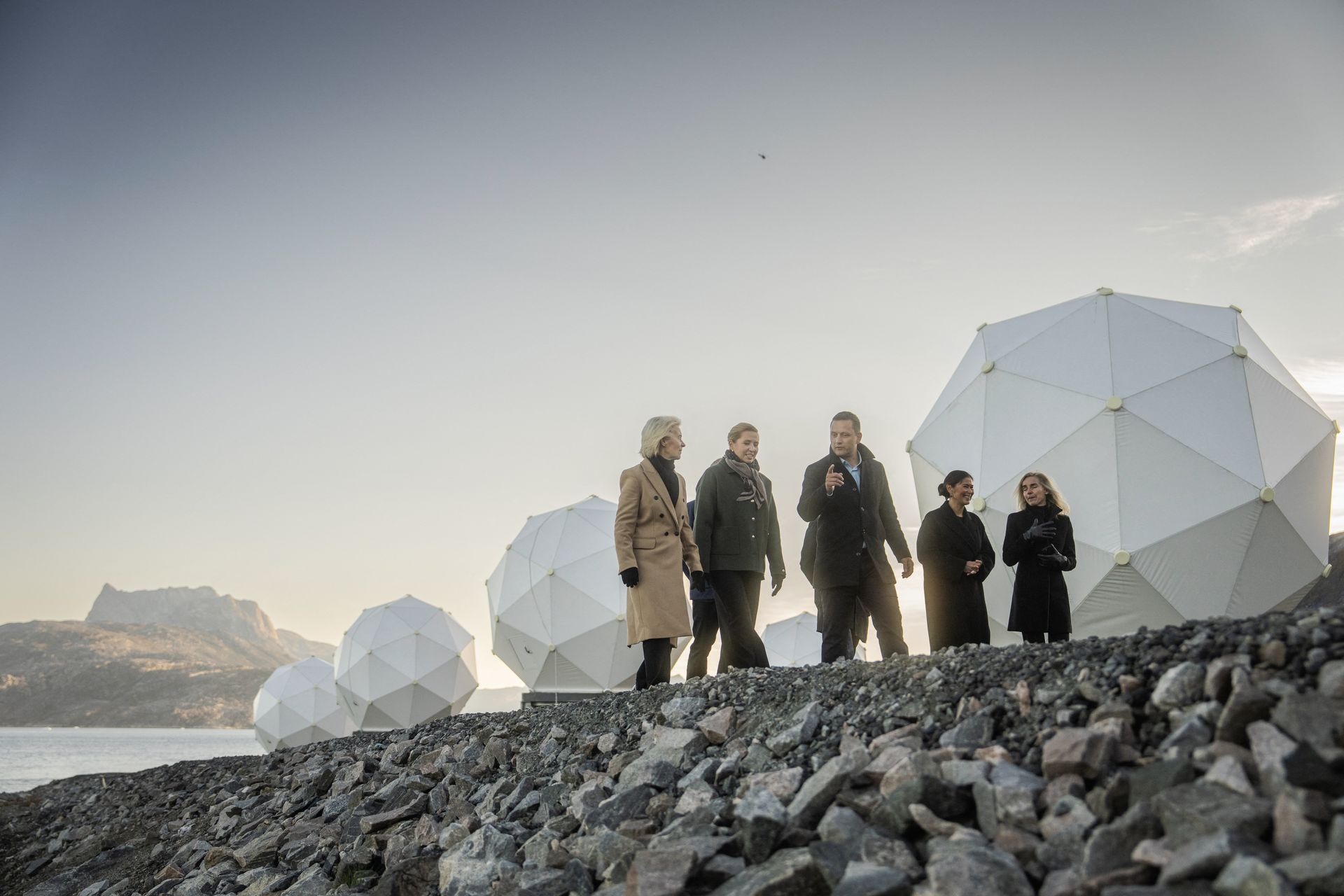
To meet these challenges, the European Commission is proposing the creation of new institutional frameworks. Among the most notable are the proposed Maritime Security Hub and the Arctic Cable Club. These entities are intended to serve as centers for coordination and protection, though the specifics of their operation remain in flux.
While the intent is clear, the implementation is still being negotiated. Senior European Commission officials have admitted that they "have not drawn lines on the map for where will be covered," indicating that the exact geographical scope and the specific list of participating members are still under intense discussion. The strategy is a framework for action, but the precise boundaries of this new European Arctic presence are still being defined.

EU unveils new Arctic strategy with focus on security https://t.co/dPk3dlLMUm
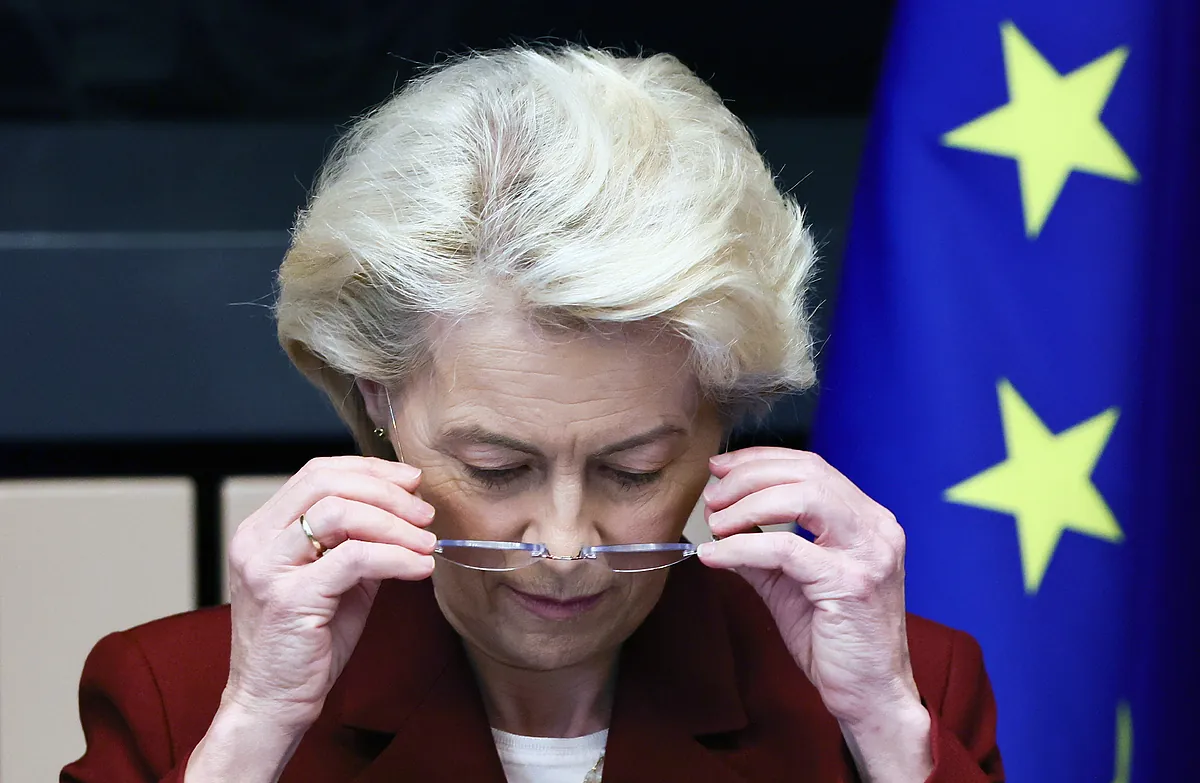
As the EU moves to solidify its position, the overarching concern remains the stability of the entire continent. The implications of Arctic instability are not confined to the poles; they ripple southward. Ursula von der Leyen captured this sentiment, noting that when Russia rebuilds its Arctic military footprint and pursues hybrid strategies, the impact is felt by the EU as a whole.
What was once a remote expanse is now a critical corridor for trade and a repository of the resources required for the future. The EU's updated strategy is an attempt to ensure that as the ice recedes, the region does not fall under the exclusive influence of those seeking to disrupt the established international order. The race for the Arctic has begun, and Europe is finally deciding how it will run it.