The streets of Paris, Lyon, and Marseille have been transformed into scenes of disorder as cost-of-living protests escalated into severe violence. By late Sunday into Monday, authorities reported new clashes and pillaging attempts that had already left a trail of destruction in their wake. The scale of the unrest was immediate and intense, with mass rallies turning violent across France during the weekend. In some cities, police control slipped, creating a chaotic environment where looters ('casseurs') could operate with impunity.
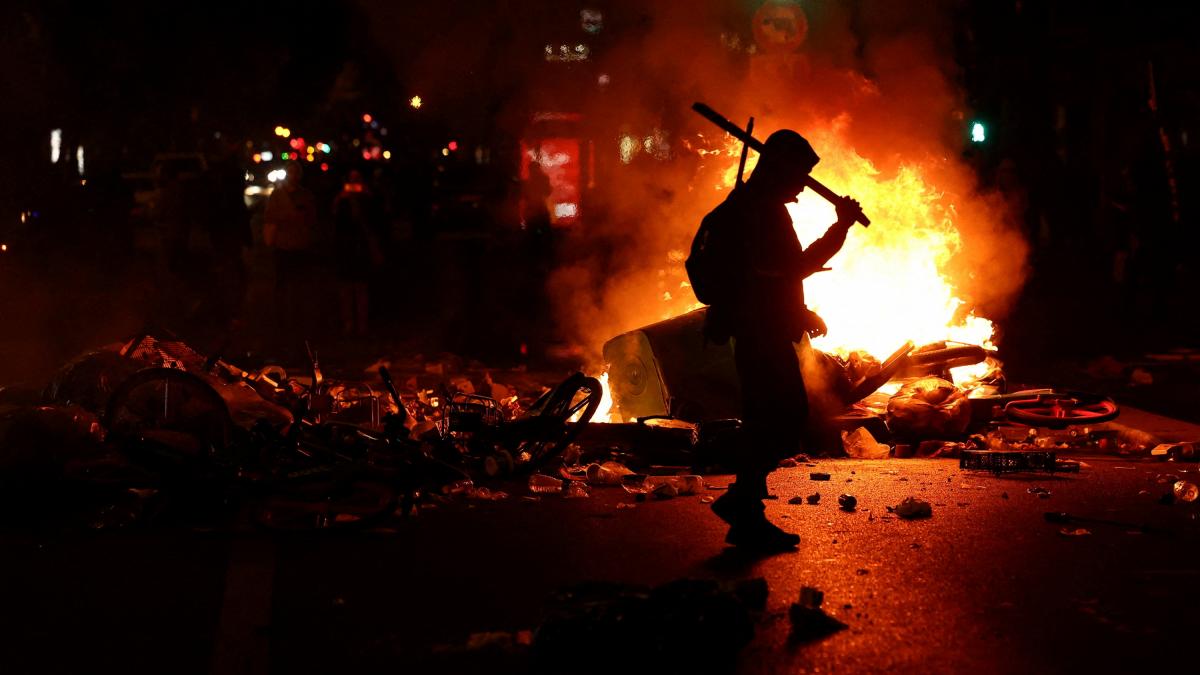
The violence did not begin on a whim but followed a trajectory of escalating tension. Violent riots and pillaging occurred in major French cities starting from October 17, 2026. As the situation deteriorated, the government faced pressure to respond decisively. The unrest resulted in approximately 2,400 arrests and the injury of almost 1,000 police and gendarmes, according to the Interior Ministry. This figure represents a significant disruption to public order, with nearly 1,500 businesses damaged during the unrest. The sheer number of interpellations reached 2,400 detentions by the end of the reporting period.
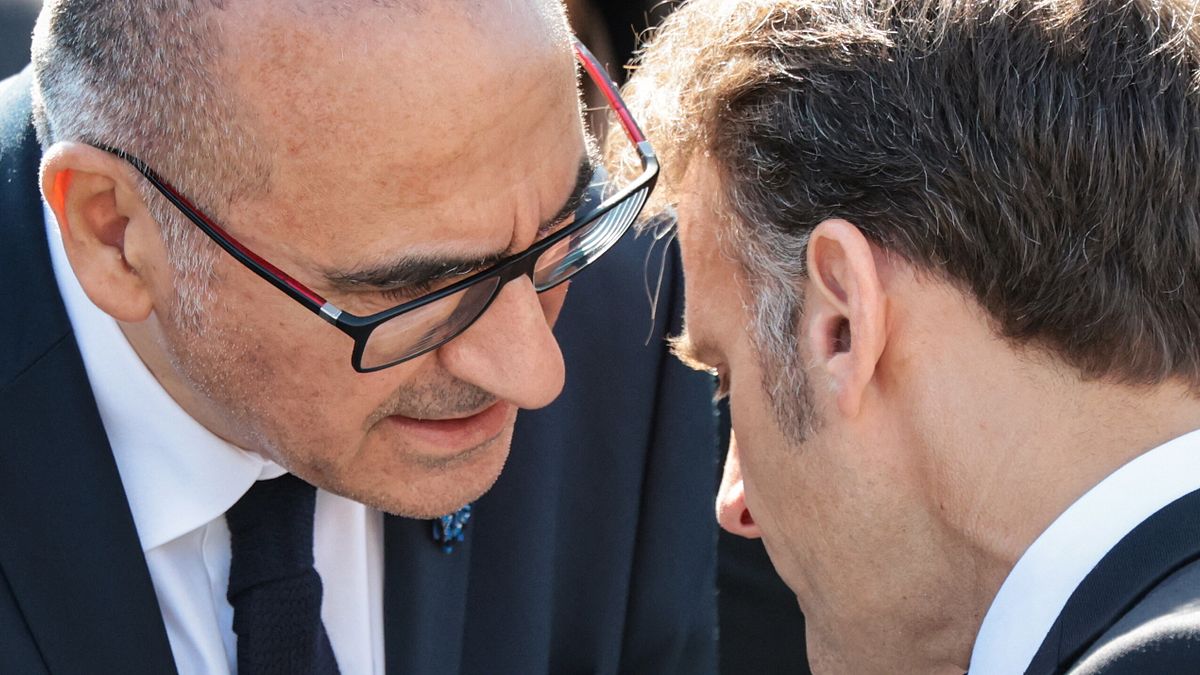
In the wake of these events, Interior Minister Laurent Nuñez stepped forward to address the administration's performance. He admitted that police across the country had lost control of the situation in certain areas. Speaking about the preparations, he stated, "In the preparations there was a lack of foresight, I feel responsible for what happened." Nuñez acknowledged that failures in anticipation and intelligence contributed to the scale of the violence. He emphasized his accountability, noting, "I am the minister of the interior, I am responsible for everything that happens on the ground." Despite this admission, the political fallout remained high as mayors of Paris, Marseille, and Limoges criticized the management of the crisis.
He highlighted the need for continuous command of law enforcement and demanded a new doctrine of 'new modes of action' to combat looters on the ground.

🚨BOOM🚨📢🇫🇷FRANCE - IT'S ALL BEING ORGANIZED BY MACRON—HERE'S THE PROOF!👁🗨 Do you doubt that these riots in France are well-coordinated? Then explain to me why pallets of bottles are magically appearing in the streets? ⏰👉🤔 @POTUS https://t.co/ioQ7GX1sbV
Despite the mounting criticism and the resignation submitted by the Interior Minister, French President Emmanuel Macron refused the resignation. The presidency emphasized the need for continuity in security command amid ongoing tensions. On October 18, 2026, Macron demanded new methods of intervention against violent groups and transparency regarding intelligence failures. He argued that given the necessity for continued leadership of law enforcement at this time, the president refused the request. The Elíseo Palace announced that the president of the Republic rejected the resignation, stating that maintaining the command of the forces of order in the current context was paramount.
Macron called for greater transparency over the failures that led to the chaos. He highlighted the need for continuous command of law enforcement and demanded a new doctrine of 'new modes of action' to combat looters on the ground. He warned that those who sought to bring down the Republic will have to answer for it. However, the tone was one of collective shame rather than dismissal. Macron noted, "We all feel (...) anger, shame," acknowledging the gravity of the situation while insisting on the government's resolve to restore order through stronger tactics.
While the government focused on restoring stability, opposition figures attacked the handling of the crisis. Marine Le Pen cited a deep crisis of trust and authority, which casts a threat over democracy. Jean-Luc Mélenchon accused Macron of fostering decay within the state. These voices argued that the administration's response failed to address the root causes of the unrest, leaving citizens feeling abandoned. Yet, the official line remained firm, prioritizing the preservation of law enforcement command over political reshuffling.
As the dust settles on the initial wave of violence, the focus remains on the implementation of new anti-looter tactics. Authorities report that nearly 1,000 law enforcement officers were injured during the protests, underscoring the physical toll of the confrontation. The government now faces the challenge of translating its demand for new modes of action into tangible results before further unrest erupts. The decision to keep Nuñez in place signals a belief that the damage is contained enough to allow for strategic adjustments without changing leadership.
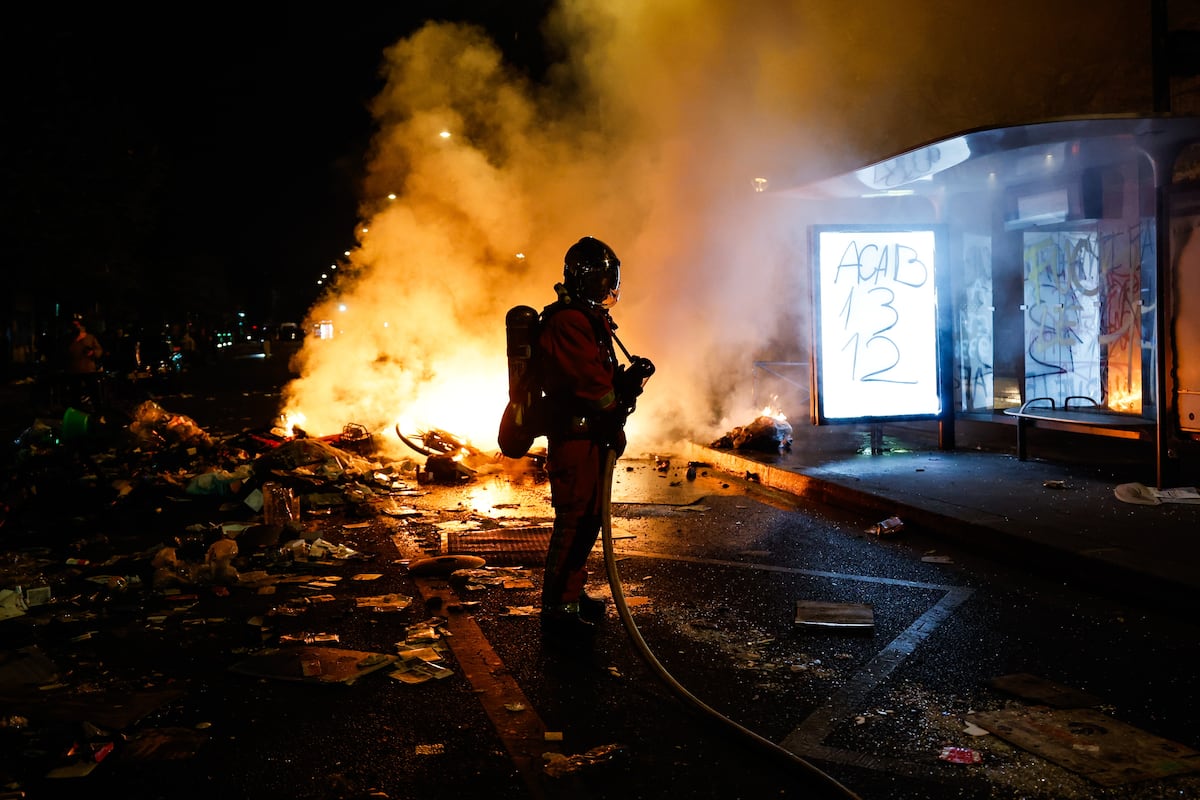
The French government stands at a crossroads between restoring order and addressing the underlying grievances that fueled the riots. With 2,400 people arrested and 1,500 businesses damaged, the economic and social impact is significant. The refusal to accept Nuñez's resignation suggests a commitment to navigating the crisis internally, hoping that new intelligence protocols and operational doctrines can prevent future escalations. For now, the priority remains the safety of citizens and the integrity of the state apparatus.