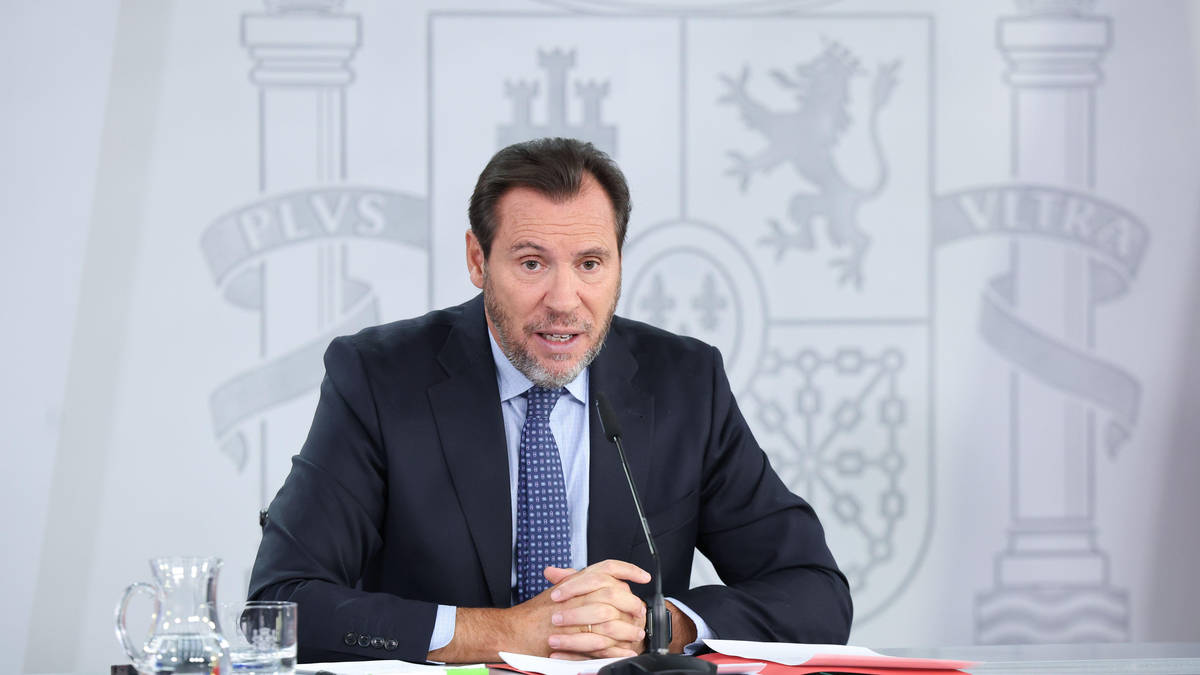
In the high-stakes theater of national governance, there are moments when the math of tragedy becomes impossible to ignore. For Spain’s transport ministry, that math was written in the lives of 115 people. Within a span of less than twelve months, two separate, devastating train accidents tore through the country's sense of security, leaving a trail of grief that no amount of policy rhetoric could easily mask. The scale of the loss—69 lives in one instance and 46 in another—transformed a technical debate over rail safety into a profound crisis of political responsibility.
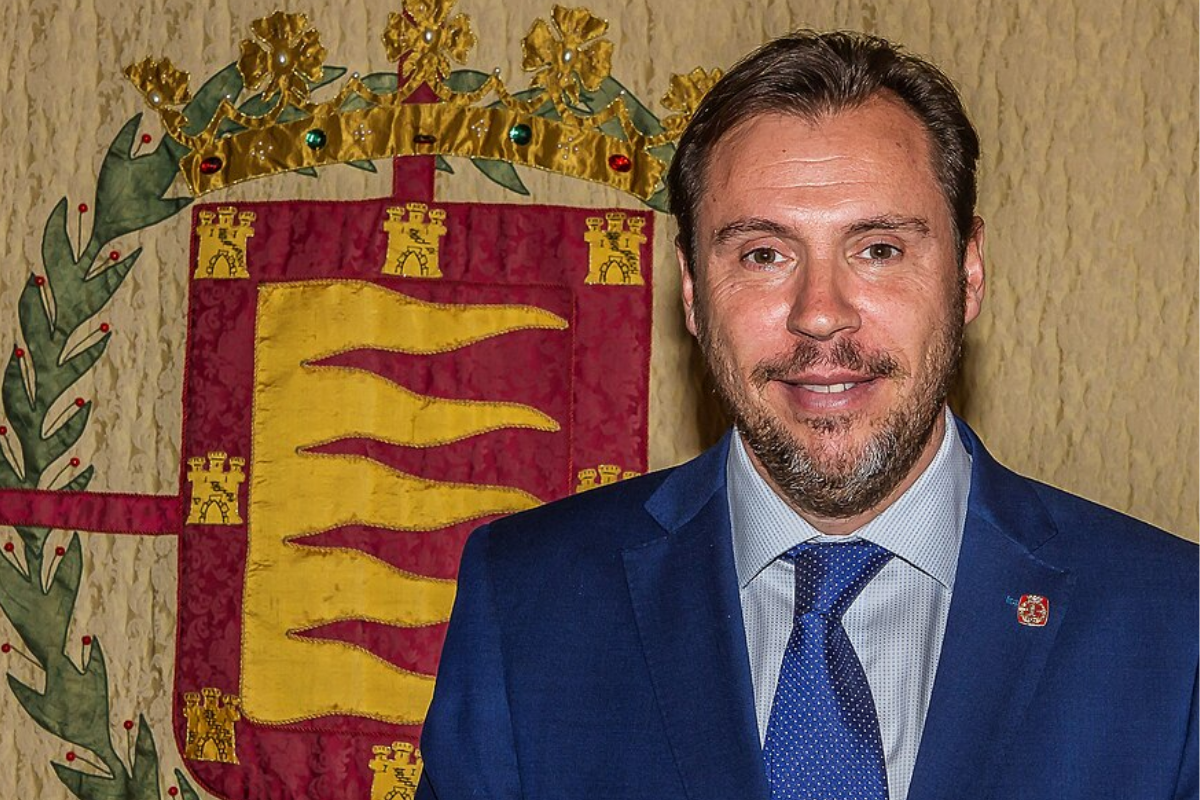
The first fracture in the system occurred in January, during a deadly train crash. The accident was a sudden, violent interruption of normalcy, claiming the lives of 69 people. In the aftermath, the conversation centered on the mechanics of failure: signaling systems, infrastructure, and the protocols meant to prevent such carnage. The government responded with promises to bolster safety, but the specter of catastrophe remained unextinguished. For those living in the wake of the first accident, the technical explanations offered by officials felt distant from the visceral reality of their loss.

BREAKING: Spain's Minister of Transport has resigned after train crash left 69 people dead
Just as the nation began to process the first tragedy, a second disaster struck in January, this time in Toledo. This accident claimed another 46 lives, bringing the total death toll from rail accidents within a single year to 115. If the first crash was a shock to the system, the second was a systemic indictment. The repetition of such high-fatality events suggested that the safeguards intended to protect the traveling public were failing at a rate that the political establishment could no longer justify.
The debate was no longer just about how to fix the tracks, but about who was responsible for the oversight of those tracks.
As the death toll mounted, the political atmosphere in Spain grew increasingly volatile. While the government initially offered support to the ministry, the tide quickly turned. Opposition representatives and various parliamentary groups began to exert intense pressure on the administration, questioning the efficacy of current oversight and the speed of reform. The ministry found itself caught between the technical complexities of railway management and a growing public demand for immediate, visible accountability. The debate was no longer just about how to fix the tracks, but about who was responsible for the oversight of those tracks.

Spain’s Minister of Transport Óscar Puente announced his resignation after two deadly train crashes occurred in a single year, including one last week that killed 69 people. https://t.co/qoSCXDKjkr
By early November, the political pressure reached a breaking point. On November 4, Óscar Puente announced his intention to step down, a move finalized on the same day. His resignation was not merely a tactical retreat from political criticism, but a calculated statement on the nature of leadership. Puente framed his departure not as a failure of policy, but as a necessity of character. He argued that the gravity of the loss required a change in leadership to maintain the integrity of the office.
Puente’s departure was underscored by a sense of somber duty. He spoke of the necessity of matching the scale of the tragedy with the scale of the political response. For Puente, the math of the accidents—two major crashes in less than a year—dictated that his presence in the role had become untenable. He suggested that continuing in his post would be a contradiction of the empathy required when dealing with such profound human suffering.

Spain’s Transport Minister Óscar Puente resigns six days after a high-speed train collision that k+lled at least 69 people, citing two major rail accidents in less than a year. https://t.co/GdlBdGKb2a
Even as he prepared to exit, Puente pointed toward the structural changes required to prevent a third tragedy. He highlighted a €780 million railway renovation plan, a massive investment aimed at addressing the very safety concerns that had led to the disasters. Central to this vision was the implementation of the European Rail Traffic Management System (ERTMS), a sophisticated technological standard designed to provide more robust oversight of train movements. Puente also emphasized the need for improved working conditions, recognizing that the human element of rail safety is as critical as the steel and software.
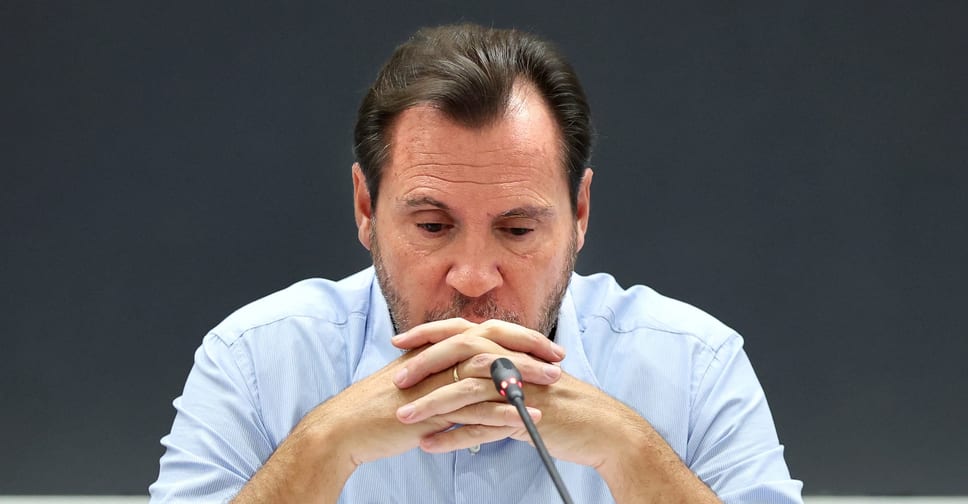
As the ministry transitions, the Spanish government has moved to provide an emergency aid package for the victims and their families, attempting to address the immediate humanitarian crisis. However, the political landscape remains unsettled. With an early parliamentary election looming on the horizon, the resignation of the transport minister serves as a stark reminder of the consequences of systemic failure. The nation is left to weigh the massive investments in renovation and technology against the heavy, unrecoverable cost of the lives lost on its rails.