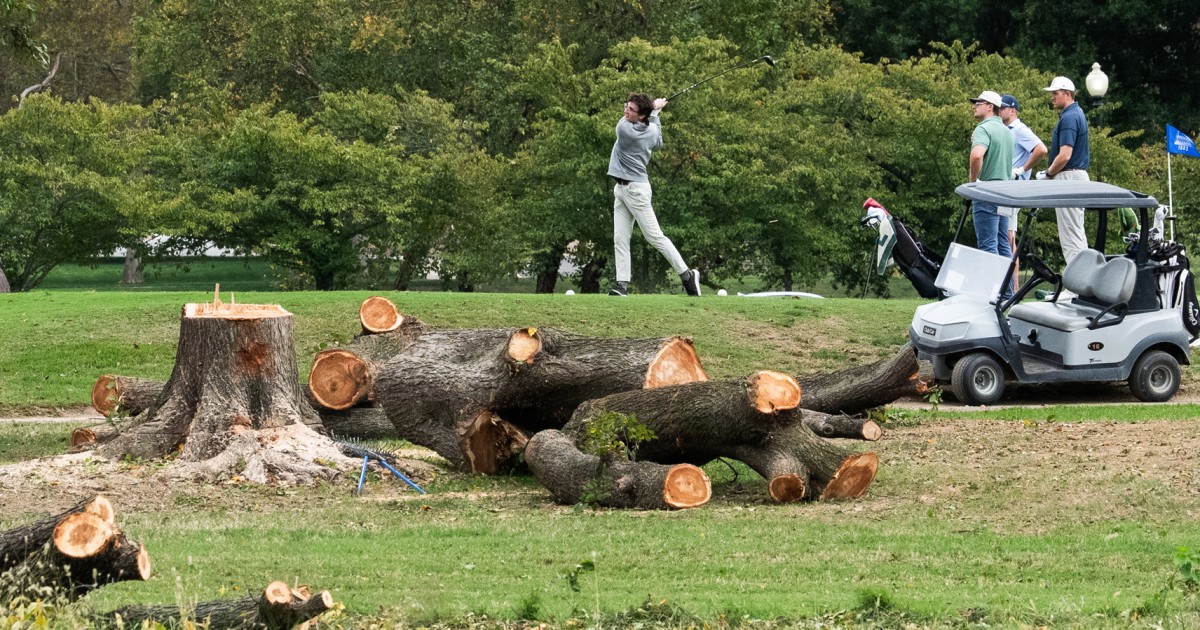
In late October, a seemingly mundane issue over a golf course in Washington, D.C., took a dramatic turn. The East Potomac Golf Links, a century-old public course, became the center of a legal storm when the Trump administration announced plans to renovate the site. The administration's intentions quickly became contentious when it was revealed that 400 trees had been cut down in a hasty operation over a holiday weekend. The implications of this action reached far beyond the green, sparking a legal battle that questioned the very nature of truth in governmental communications.
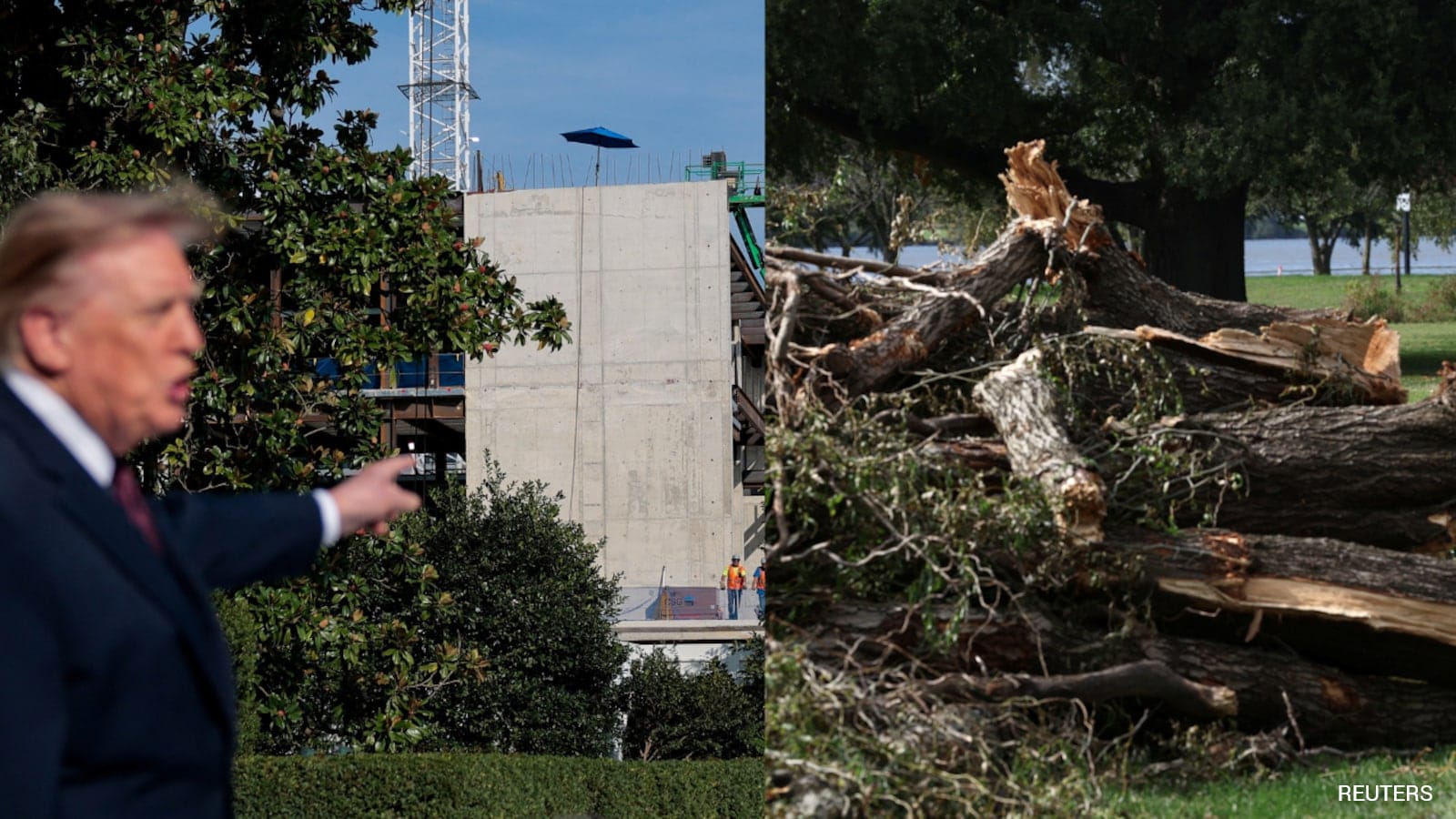
On October 27, U.S. District Judge Ana Reyes stepped into the fray, extending an injunction that blocked the Trump administration from proceeding with its renovation plans. Her decision was not merely procedural; it was a response to the stark contradictions between President Donald J. Trump’s public statements and the testimonies of government employees. Judge Reyes expressed her astonishment at the audacity of the administration, which had urged the court to disregard the President's own words. "Rarely, if ever, has the United States Department of Justice urged a federal court not to believe the sitting President," she remarked, underscoring the gravity of the situation.
What began as a case about a golf course morphed into a significant legal examination of presidential accountability and governmental transparency. The administration's abrupt decision to remove the trees raised eyebrows, and the timing—during a holiday weekend—was particularly suspicious. This led to accusations of 'bad faith' from the judge, who noted that the actions taken were not only swift but also seemingly reckless. The court's role, as Reyes articulated, was not to advocate for the trees but to uphold the rule of law, a principle that seemed to be at risk amidst the chaos.
The administration's strategy appeared to pivot on discrediting the judicial process rather than addressing the substantive issues at hand.
As the case unfolded, the Trump administration mounted a defense that included questioning Judge Reyes’s impartiality. They accused her of engaging in what they termed 'egregious' behavior from the bench during an emergency hearing. This accusation highlights the contentious atmosphere surrounding the case, where legal arguments were intertwined with political rhetoric. The administration's strategy appeared to pivot on discrediting the judicial process rather than addressing the substantive issues at hand. In a climate where the credibility of public officials is often scrutinized, this clash raised essential questions about the boundaries of judicial independence and executive power.

Judge continues to block Trump admin. from cutting down trees at D.C. golf course, confirms she's still "not the Lorax" https://t.co/TvgWWzxYgR
The implications of this legal battle extend beyond the fate of a golf course. It reflects broader concerns about the integrity of government actions and the accountability of those in power. The case is emblematic of a growing unease among citizens regarding the transparency of government operations. As Judge Reyes deliberated, the stakes were high—not just for the trees that had already been felled, but for the principles of governance that underpin democratic society. The legal discourse surrounding the case has the potential to shape future interactions between the executive branch and the judiciary, especially in an era marked by increasing polarization.
Amidst the legal wrangling, voices of support for the judge and the court's decision emerged. Skye Perryman, a prominent advocate for environmental preservation, underscored the importance of holding the government accountable for its actions. The sentiment echoed a growing public desire for transparency and ethical governance, particularly in matters that affect public resources and the environment. As the case continues to unfold, it remains to be seen how these dynamics will influence public opinion and the legal landscape.

🚨 HOLY CRAP! Activist Judge Ana Reyes — who thinks she gets to control Trump's renovations of the DC golf course — is reportedly GOING BERSERK in the hearing with Trump attorneys right now Reyes just raged at 47's team: "We can do this all day! I have NOTHING planned for this evening!" She's also NOT happy with Trump's TRUTH post attacking her this morning, per POLITICO. THIS WOMAN IS NOT PRESIDENT. The person who sued has NO standing. Remove her from the bench, ignore and RENOVATE!
As the legal battle over the East Potomac Golf Links progresses, the implications of Judge Reyes's ruling resonate far beyond the immediate issue of tree removal. The case serves as a reminder of the delicate balance between governmental authority and judicial oversight. In an era where the truth is often obscured by political maneuvering, the court's role in safeguarding the rule of law is more crucial than ever. The ongoing deliberations will not only determine the fate of the golf course but may also set important precedents for how future administrations interact with the judiciary and the public. The outcome remains uncertain, but the underlying principles at stake are clear: accountability, transparency, and the enduring importance of the rule of law in a democratic society.