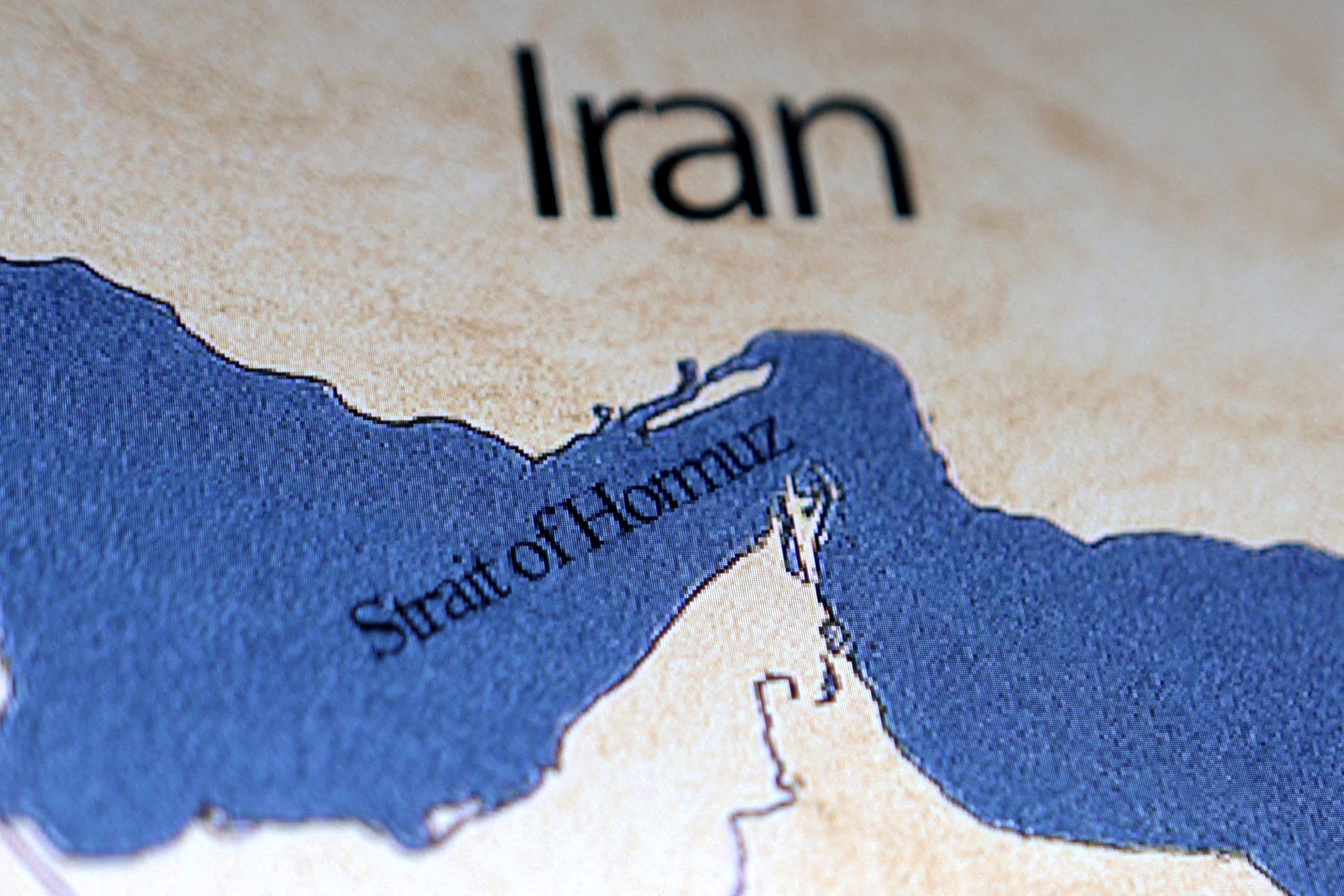
Russian Foreign Minister Sergei Lavrov held a joint press conference with Iranian officials in Tehran, where he criticized the recent attacks on Iran carried out by Israel and the United States. He stressed that restoring peace and stability in the Gulf and the Strait of Hormuz depends on a return to diplomatic engagement. Lavrov also expressed hope that Iran’s president would take part in an upcoming meeting of gas‑exporting countries scheduled to be hosted in Moscow, signaling a desire to keep energy dialogue open despite the tensions.

According to the figures cited by Lavrov, Russian‑Iranian trade relations have risen by 21 percent over the past year. In the first eight months of the current year alone, the increase amounted to 10 percent. These percentages illustrate a strengthening economic link between the two nations, even as political friction elsewhere intensifies.
Lavrov declared that Russia is ready to help resolve the conflict between the United States and Iran, which he described as a man‑made crisis. He urged a return to the pre‑crisis situation in the Persian Gulf and the Oman Strait, emphasizing the need to restore freedom of navigation and to secure guarantees against further aggression. His remarks framed the dispute as something that could be undone through diplomatic means rather than continued military pressure.
His comments aligned with Lavrov’s call for a negotiated exit from the confrontation, suggesting that both sides see a diplomatic path as viable.
Iran’s Foreign Minister, Abbas Araghchi, also spoke at the event, stating that Iran is prepared to use diplomacy to achieve long‑term peace and stability in the region. His comments aligned with Lavrov’s call for a negotiated exit from the confrontation, suggesting that both sides see a diplomatic path as viable.
During the same press conference, Lavrov praised Iran’s attempts to find a diplomatic solution to the crisis. He acknowledged the role of international mediators, indicating that Moscow views multilateral engagement as a useful component in de‑escalating tensions.
This accusation places the two countries at the center of a narrative linking their policies to global market instability, a claim that Lavrov and his Iranian counterparts sought to counter by emphasizing dialogue.
The agreement underscores a long‑term commitment between the two states, covering areas such as defense, energy, and trade, and serves as a backdrop to the current diplomatic overtures.

"We are fully ready to help find a solution to this crisis," Lavrov said, summarizing Moscow’s stance that it stands prepared to assist in bringing the US‑Iran confrontation to a peaceful conclusion.
Abbas Araghchi noted, "Regarding the Gulf and West Asia, we have had talks, and also on Ukraine and the Iranian‑American negotiations," indicating that diplomatic channels remain active across multiple fronts, including the ongoing situation in Ukraine.
In Russian, Lavrov stated, "Дело Ирана, как и дело России, — это дело правое," which translates to "The cause of Iran, as is the cause of Russia, is a just cause." This remark framed both nations’ positions as morally justified in his view.
He also said, "We are ready to provide assistance in finding mutually acceptable solutions for exiting this man‑made crisis," reinforcing the offer of mediation and the desire for a solution acceptable to all parties involved.
The minister repeated a similar sentiment in Russian: "Вновь обозначил готовность нашей страны к оказанию содействия поиску взаимоприемлемых развязок для выхода из этого рукотворного кризиса," meaning he once again highlighted Russia’s readiness to help find mutually acceptable ways out of the man‑made crisis.
The same day saw Lavrov’s public statements expressing readiness to help resolve the US‑Iran conflict, as well as a press conference and negotiations with his Iranian counterpart, Abbas Araghchi.
Also on October 19, 2026, Lavrov and Araghchi held negotiations and participated in a press conference between the Russian and Iranian foreign ministers. These events underscore the immediacy of Moscow’s diplomatic outreach following the renewed hostilities.
At present, Russia positions itself as a willing mediator, pointing to growing trade ties and a long‑term partnership as evidence of its commitment to regional stability. While European officials continue to link Iranian and Russian actions to economic strain, the diplomatic overtures from Tehran and Moscow suggest a search for a negotiated path forward amid ongoing military tensions.