
The streets of Paris and other major French cities were transformed into scenes of chaos during a weekend of mobilization fueled by deep-seated grievances over rising living costs and education concerns, which spilled over into violent clashes. The scale of the unrest was staggering. Authorities reported nearly 2,400 arrests and about 1,000 injured security personnel, a grim testament to the intensity of the confrontation. Additionally, reports indicated that at least 1,500 shops and businesses were damaged or looted.
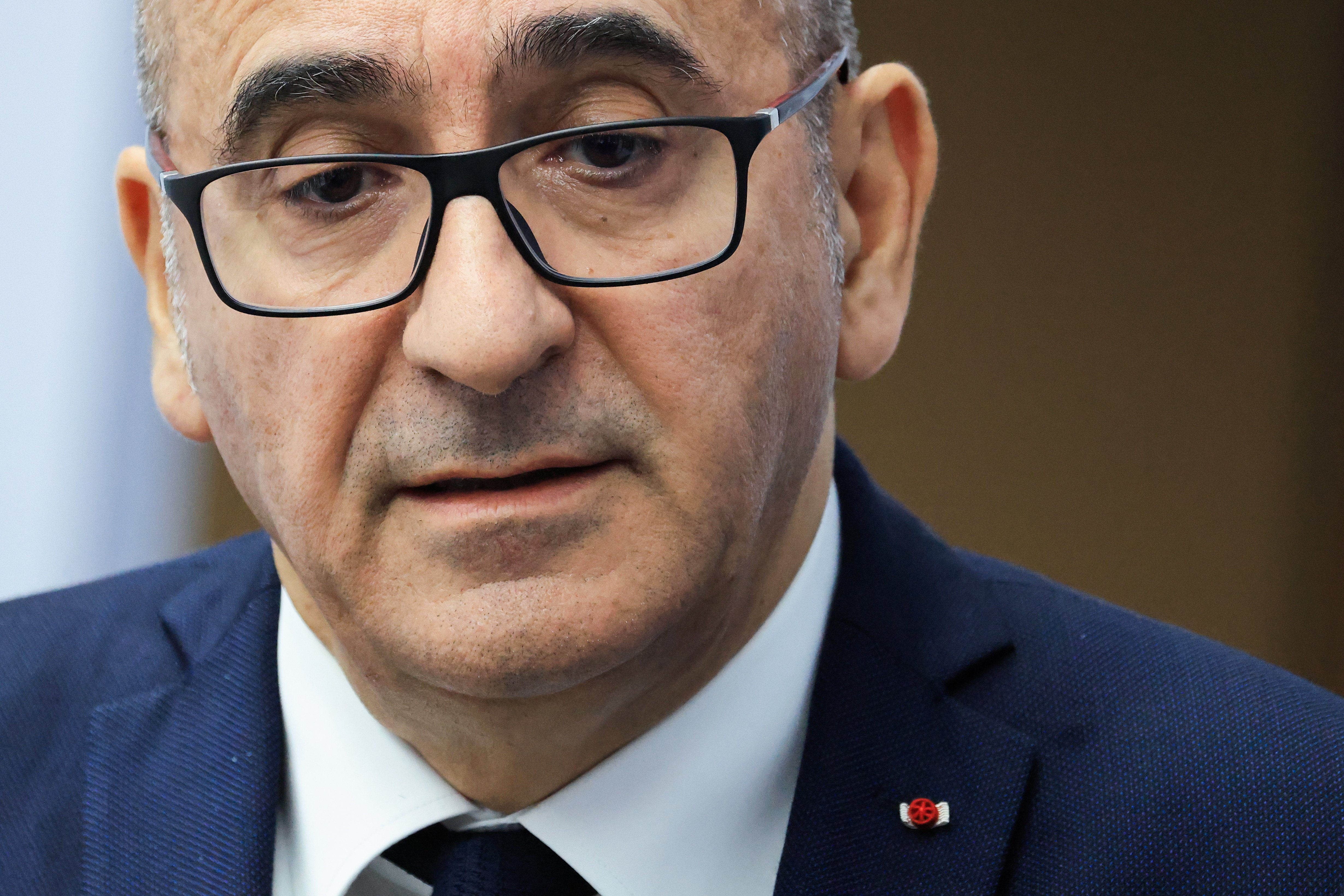
In the immediate aftermath, Interior Minister Laurent Nuñez faced the reality of a state apparatus that had, by his own admission, faltered. He confirmed that he had submitted his resignation to President Emmanuel Macron. His reasoning was direct: he felt a profound sense of responsibility for the events that transpired. "I have a sense of the general interest, and given the damage that occurred, it was normal that I submit my resignation," he stated. Nuñez was candid about the operational failures, acknowledging that in certain major cities, the police had lost control of the situation. He admitted, "I take my share of responsibility," and noted that he was responsible for everything that occurred during the weekend.
Despite the pressure and the admission of failure, President Macron rejected the resignation. The presidency cited the necessity of maintaining continuity in the leadership of the security forces during such a volatile period. For Macron, the priority was not a change in personnel, but a change in strategy. While the President acknowledged that there had been "failures in anticipation and intelligence gathering" regarding the management of the demonstrations, he tasked Nuñez with a difficult mandate: to ensure transparency in investigating these lapses and, more urgently, to develop and deploy new operational concepts to prevent such violence from recurring.
Despite the pressure and the admission of failure, President Macron rejected the resignation.
The rejection of the resignation has not silenced critics. The government finds itself in a precarious position, caught between the need to restore order and the demand for accountability. Local officials have called for explanations from the government, echoing a broader frustration regarding the state's inability to organize its forces or anticipate the severity of the riots. Meanwhile, Gérald Darmanin remarked, "Manifestement, [notre renseignement] ne sait pas lutter contre l’ultra-gauche," reflecting on the intelligence failures. Macron warned in a televised address that those who attack republican institutions will face justice, blaming ultra-left groups and criminals for the violence, while distinguishing between legitimate protesters and rioters. As the nation looks forward, the mandate for Nuñez is clear: to adapt, to investigate, and to ensure that the state does not lose control again.