When the alarm clock buzzed at 6 a.m. on October 23, 2026, residents of Gurgaon’s sprawling suburbs expected the familiar hum of refrigerators, the soft glow of streetlights, and the steady pressure of water from their taps. Instead, they were met with silence. The power that fuels daily life in this fast‑growing part of Haryana had vanished, and with it, the rhythm of a city that never sleeps.

The blackout was not a fleeting glitch. It stretched across neighborhoods, affecting roughly 50,000 homes—a figure that translates into tens of thousands of families suddenly cut off from electricity, heating, and the essential services that depend on it. The outage also crippled 1,800 factories, many of which form the industrial backbone of Gurgaon’s economy. In the absence of power, water pumps stalled, leaving the municipal water supply erratic and further compounding the crisis.
The immediate cause of the strike lies in a decision by the Haryana Electricity Regulatory Commission (HERC). On October 23, 2026, HERC issued a licence to a private company to take over electricity distribution in Gurgaon and the neighboring district of Nuh. The move was framed as a step toward modernising the grid, attracting investment, and improving service reliability.
Gurgaon’s reputation as a manufacturing hub is built on a dense network of small and medium‑sized enterprises that rely on uninterrupted power.
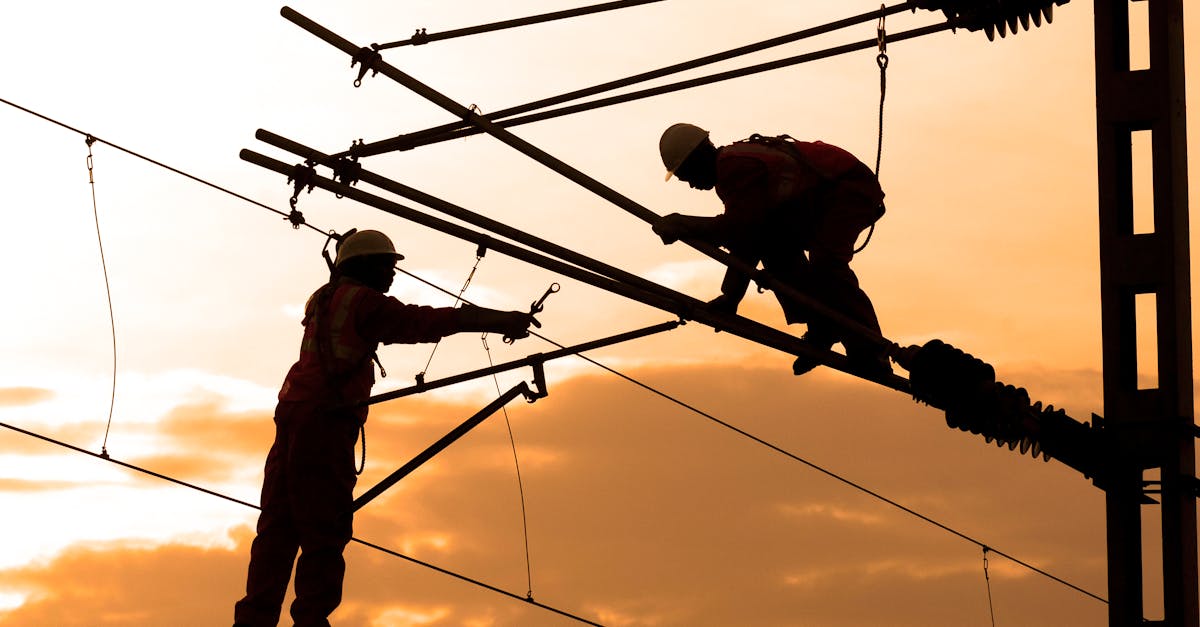
For the workers of Dakshin Haryana Bijli Vitran Nigam (DHBVN), the state‑run utility that has long overseen power delivery in the region, the licence felt less like progress and more like a prelude to privatisation that threatened job security and the public‑service ethos of the organisation. Their response was swift and decisive: a walkout that began on October 23, 2026, and quickly escalated into a full‑scale strike.

No electricity till now complete black out.
The scale of the walkout is stark when viewed through the lens of attendance sheets. In Circle 1, 816 employees were absent, leaving only ten staff members on duty out of a total workforce of 826. Circle 2 saw 540 workers missing from the roster. These absences crippled DHBVN’s capacity to respond to faults, conduct routine maintenance, and restore power to the affected zones.
The absence of trained personnel, as one senior official put it, “has made it increasingly difficult to repair faults. The department is grappling with a rising number of electrical issues, exacerbated by the ongoing strike.” This quote from Shyamveer Saini underscores the operational paralysis that the strike has wrought.
Gurgaon’s reputation as a manufacturing hub is built on a dense network of small and medium‑sized enterprises that rely on uninterrupted power. The shutdown of 1,800 factories has immediate economic repercussions: production lines stand idle, orders are delayed, and revenue streams dry up. While exact loss figures have not been disclosed, the disruption signals a sharp dip in industrial output for the region, a concern that reverberates beyond the city’s borders.
The Haryana Electricity Department, tasked with overseeing the state’s power infrastructure, has adopted a neutral stance publicly, emphasizing its role as a mediator. Officials have entered negotiations with the striking employees, seeking a resolution that would restore service while addressing the workers’ grievances.
The department’s approach reflects a delicate balancing act. On one hand, it must honour the regulatory decision that granted the private licence, a move it argues is essential for long‑term grid improvement. On the other, it cannot ignore the immediate humanitarian and economic fallout of a city left in darkness. The negotiations, still ongoing, have yet to produce a concrete timetable for power restoration.
Beyond factories and financial statements, the blackout has a palpable human dimension. Households without electricity face challenges ranging from spoiled food to the inability to charge mobile phones—a lifeline for communication in emergencies. The interruption of water supply, a direct consequence of non‑functioning pumps, adds another layer of hardship, especially for vulnerable populations who rely on municipal water for daily needs.
Residents have taken to social media, sharing images of candlelit kitchens and makeshift generators humming in the background. While some have managed to secure temporary power through private generators, the cost of diesel and the noise pollution it brings have turned the city’s nightscape into a chorus of clanking metal and restless murmurs.
As the strike enters its second day, the city’s pulse remains uneven. The absence of a clear resolution keeps the power outage in a state of limbo, with each passing hour deepening the economic and social toll. The Haryana Electricity Department continues its dialogue with the workforce, but the underlying tension—between a regulatory push for privatisation and the workforce’s demand for job security—remains unresolved.
The situation in Gurgaon serves as a microcosm of broader debates across India about the role of private players in essential services. While the promise of efficiency and investment is alluring, the transition must reckon with the lived realities of those who keep the lights on today.