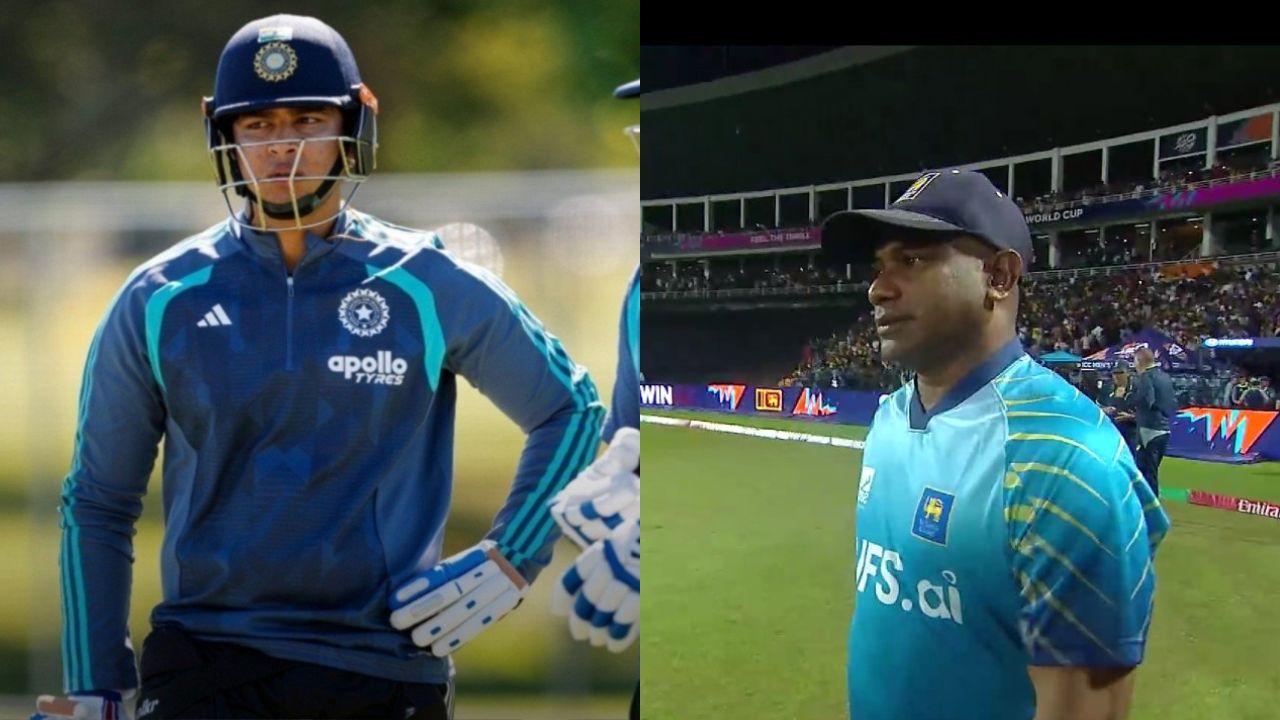
The landscape of modern cricket is defined by a constant, restless search for the next transformative talent. On October 31, 2026, the atmosphere in Mumbai was charged with this exact anticipation during the jersey launch event for the Mumbai Royal and the Maharashtra Super Strikers. Amidst the fanfare of the Indian Softball Cricket League, the spotlight shifted from the league itself to the broader trajectory of the sport.

Jayasuriya’s assessment of the current Indian talent pool was both measured and deeply optimistic. His primary focus was on the young Vaibhav Suryavanshi, a player whose emergence has already begun to stir excitement within the cricketing fraternity. For Jayasuriya, Suryavanshi is not merely a promising athlete; he is a significant investment for the future of Indian cricket. The weight of such an endorsement is substantial, coming from a man who understands the pressures of the global spotlight. Jayasuriya’s counsel was clear: while the talent is undeniable, the path forward requires careful stewardship. He urged observers and stakeholders alike to nurture the youngster, emphasizing that the most critical task is to shield him from the crushing weight of undue expectations as he develops his craft.
Beyond the long-term potential of Suryavanshi, Jayasuriya turned his attention to the established, yet evolving, brilliance of Abhishek Sharma. In the modern limited-overs game, versatility is the ultimate currency, and Jayasuriya sees Sharma as a prime example of this evolution. He lauded Sharma’s aggressive batting style, noting that the player possesses a unique ability to strike the ball to all corners of the ground. This capacity to score in any direction makes Sharma a nightmare for opposing captains, as it effectively neutralizes traditional defensive field placements. Jayasuriya’s praise underscored a fundamental shift in how top-tier cricketers are now expected to perform: they must be adaptable, capable of shifting gears, and comfortable in any scenario the game presents.
In the modern limited-overs game, versatility is the ultimate currency, and Jayasuriya sees Sharma as a prime example of this evolution.
Jayasuriya’s commentary was framed by his broader observations on the shifting dynamics of limited-overs cricket. The sport is moving faster than ever, a reality he illustrated by referencing Sri Lanka’s recent successful chase of a 430-run target against England. Such feats, once considered impossible, are becoming the new benchmarks for excellence in the T20 and limited-overs formats. As he looks toward the future, Jayasuriya remains bullish on India’s prospects, particularly in the T20 arena, where the blend of raw youth like Suryavanshi and the tactical adaptability of players like Sharma creates a potent combination. As the event concluded, the message was one of continuity: the legends of the past are watching closely, and they see a bright, aggressive future unfolding on the pitches of India.