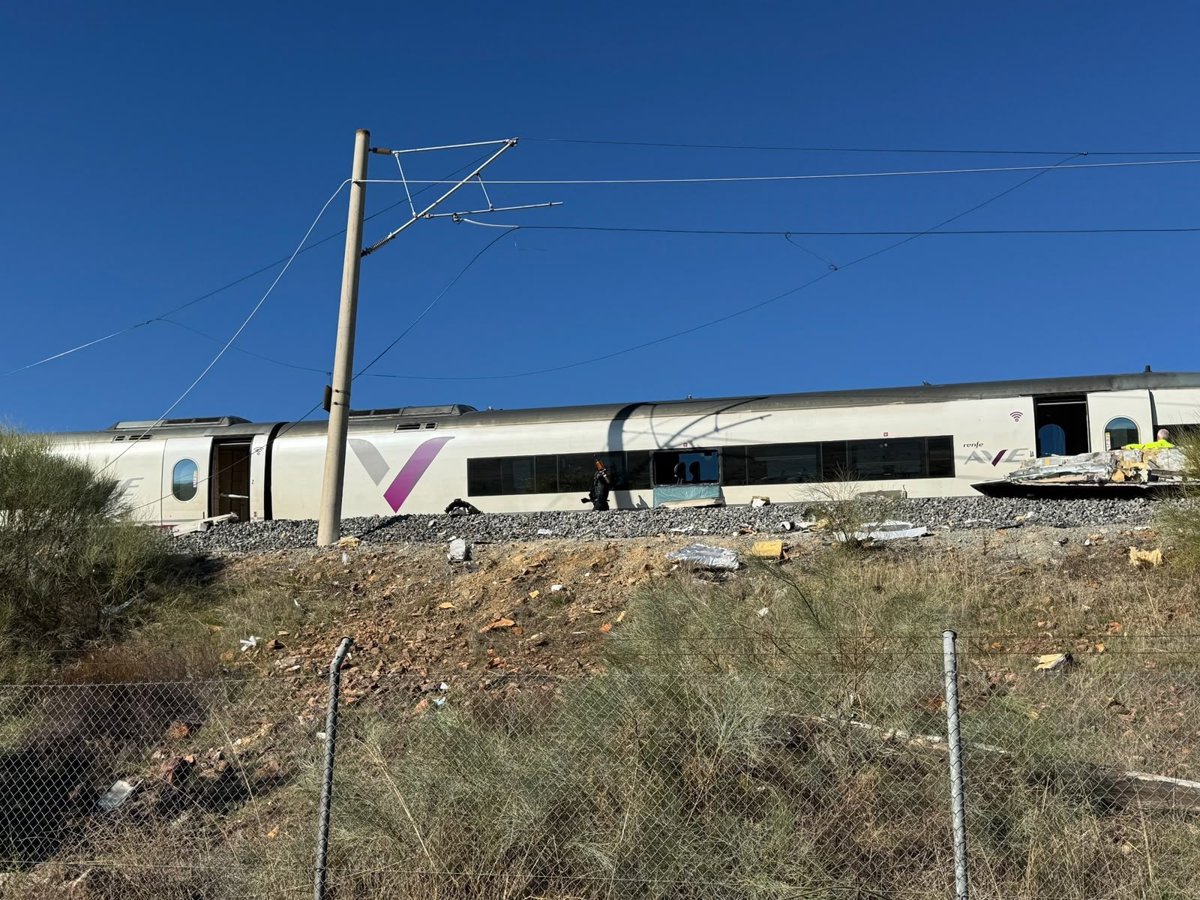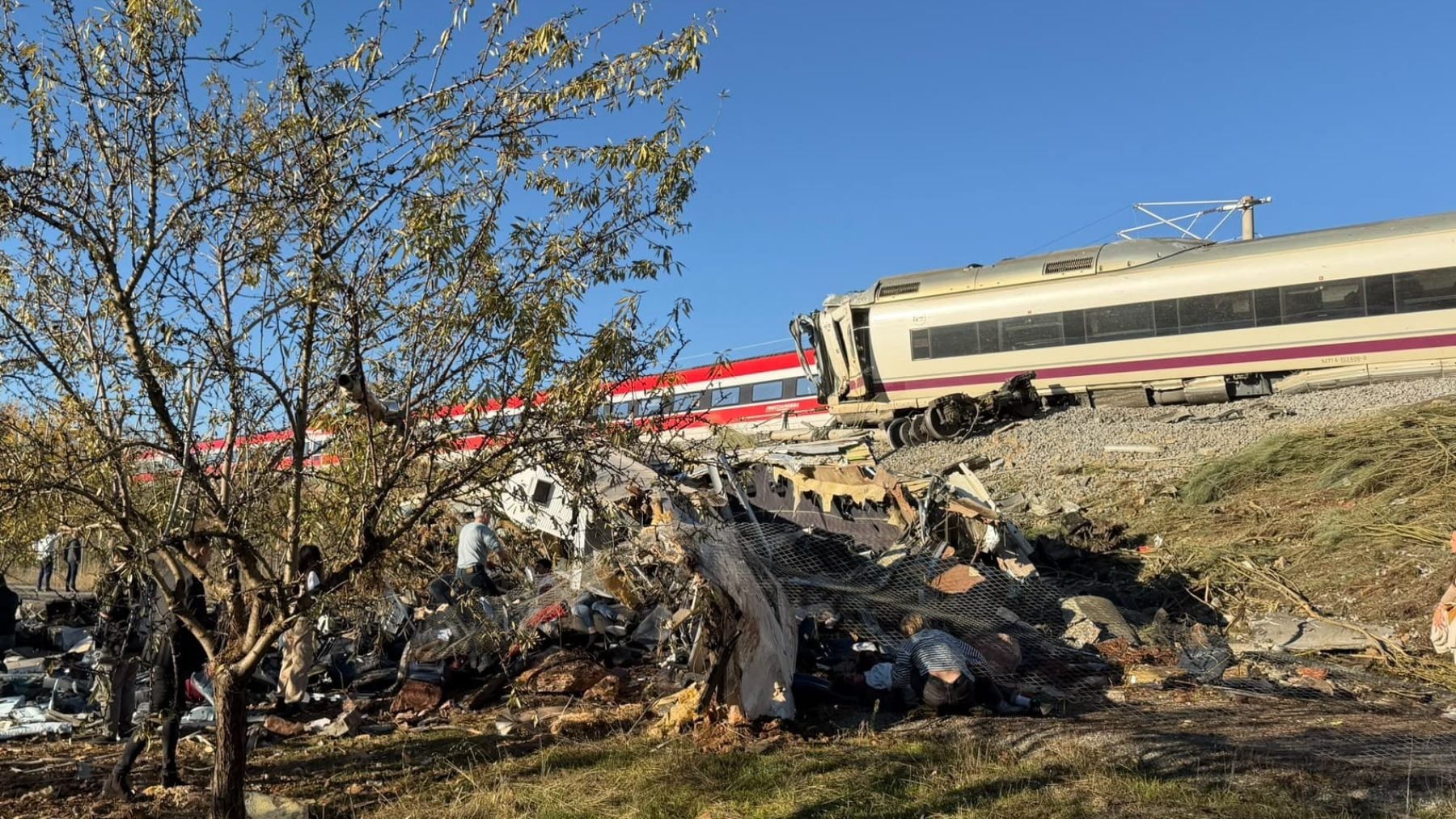
On October 28, 2023, a Renfe AVE train collided with a stationary Iryo train on the Madrid-Sevilla route between Urda and Los Yébenes. The impact caused several carriages to derail, and the wreckage unfolded across a stretch of track that lies 75 km from Toledo.
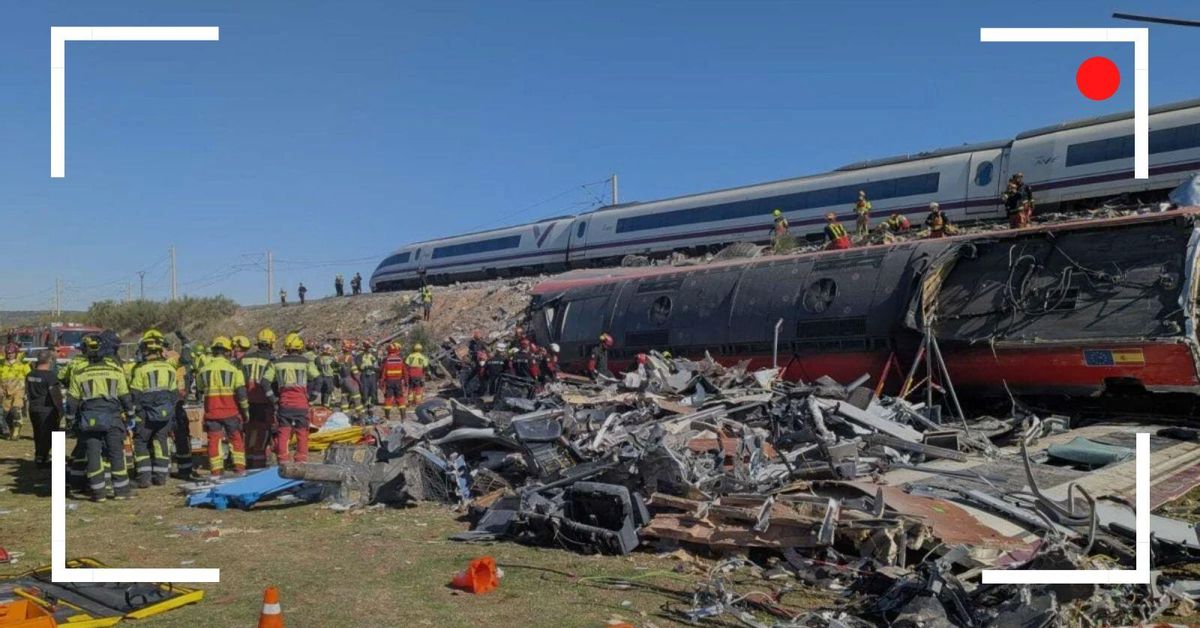
In the hours that followed, the Military Emergency Unit and civilian responders poured into the scene. Emergency services worked through the night, setting up makeshift facilities, extracting survivors, and transporting the injured to hospitals.
The collision claimed 68 lives, a number that has already prompted the Spanish government to declare three days of official mourning. The victims were handled by the Institute of Legal Medicine in Toledo. The new institute, opened in March, covers 4,000 m² and can accommodate 30 bodies at a time, but the sheer volume of casualties forced emergency medical staff to erect a temporary morgue in a descampado near the institute.
President Pedro Sánchez has called the tragedy “No es asumible para un país como España sufrir dos accidentes graves en la alta velocidad en menos de un año.
Transport Minister Óscar Puente has said that investigators are focusing on a potential failure of the LZB signalling system. “Absolutamente inverosímil e inexplicable el accidente de Urda,” he remarked, underscoring the gravity of the situation.
President Pedro Sánchez has called the tragedy “No es asumible para un país como España sufrir dos accidentes graves en la alta velocidad en menos de un año.” His scheduled visit to Toledo is a somber reminder of the fragility of the nation’s rail network.
High-speed services between Madrid and Andalusia have been suspended, and the investigation continues. As the country mourns, the focus remains on preventing a repeat of such a catastrophe.
Today, the investigation is still underway. The official figures—68 deaths, more than 100 injuries, and a temporary morgue set up in a descampado—paint a stark picture of the disaster.