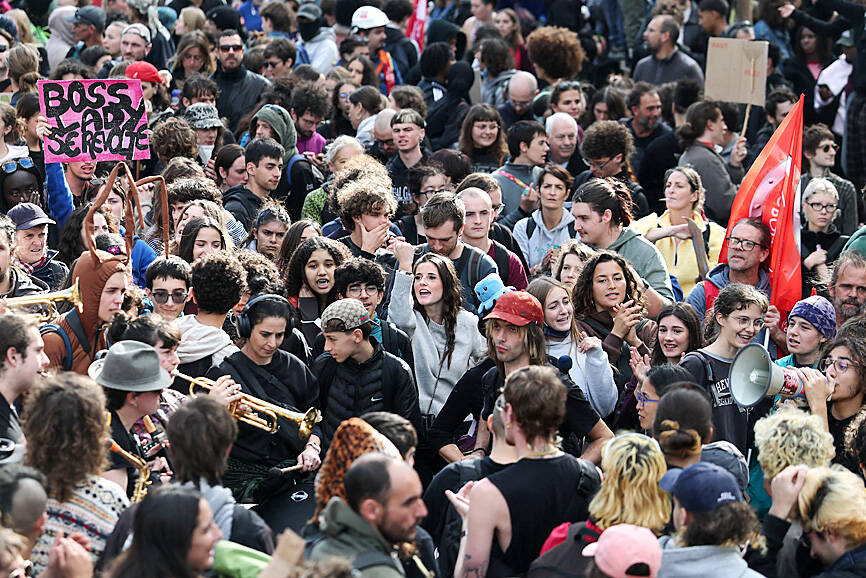
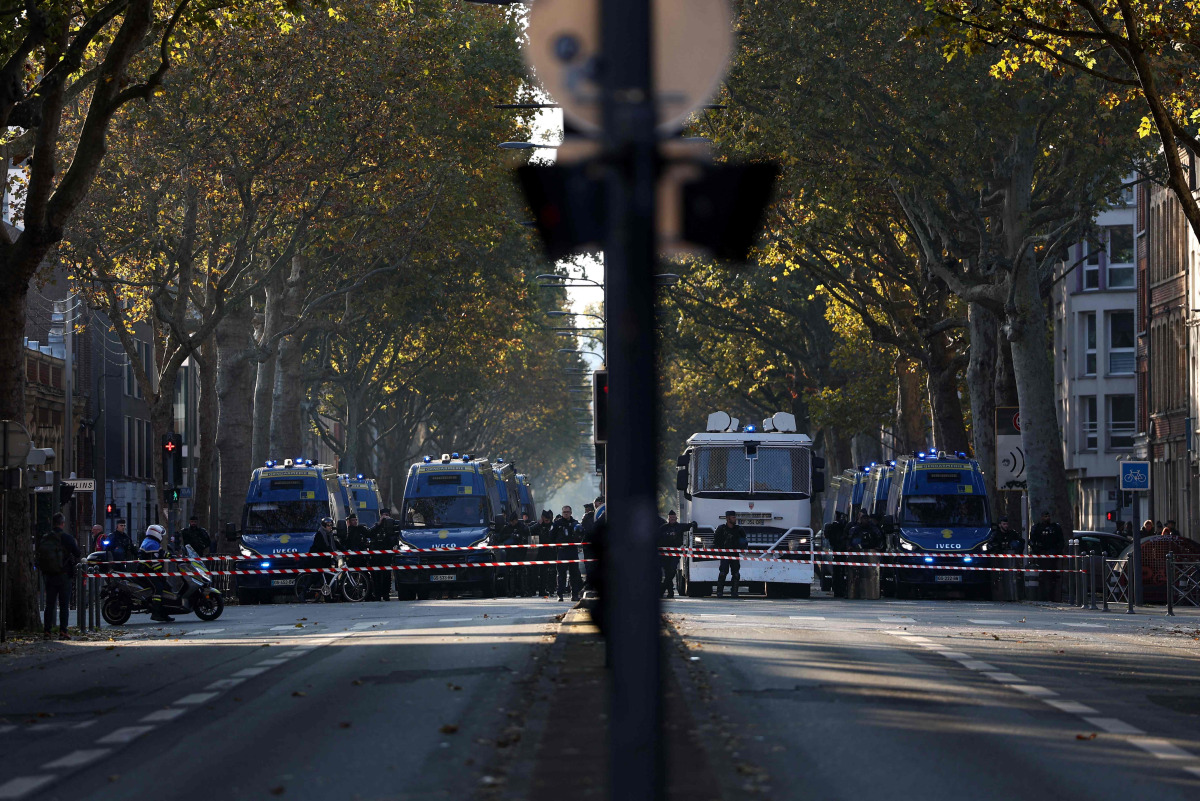
At dawn on November 5, 2026, the streets of France began to fill with a chorus of dissent. Across the country, roughly 270,000 people gathered in towns and cities outside Paris, while organizers projected that between 500,000 and 700,000 would eventually converge on the capital’s avenues. The protests were largely peaceful in most locales, yet the sheer scale prompted the deployment of 70,000 police officers nationwide, a force intended to keep the demonstrations orderly and to deter the flashpoints that would soon emerge.
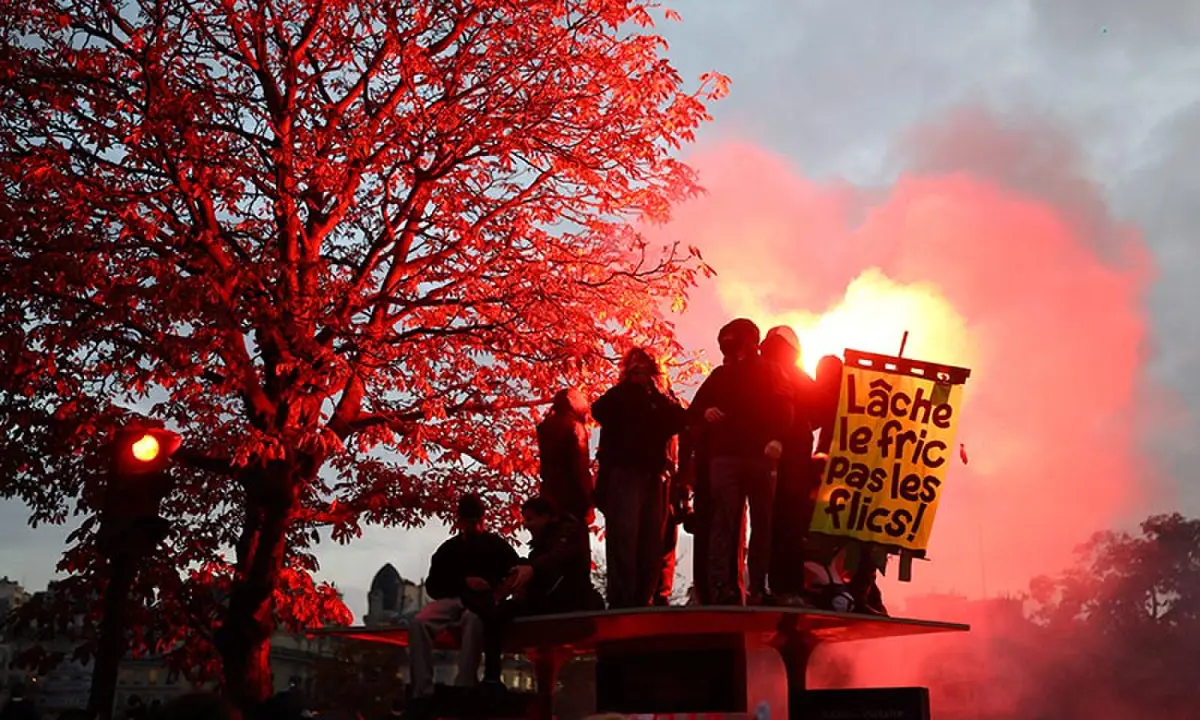
Simultaneously, public‑sector employees—teachers, hospital staff, civil servants—observed a coordinated one‑day strike. Unlike a rolling walkout that drags on for weeks, a one‑day strike is a single, synchronized cessation of work designed to demonstrate collective resolve without crippling essential services for an extended period. In this case, the strike was a rallying point for unions demanding across‑the‑board wage raises, tax reforms, and better learning conditions for young people. The move amplified the street protests, turning a labor action into a national political statement.

Mass protests are taking place across France: up to 700,000 participants expected Around 220 demonstrations are planned across the country. Between 40,000 and 80,000 people are expected in Paris. Some 16% of teachers have gone on strike, and operations at a third of universities have been disrupted. In the commune of Tournefeuille, protesters set fire to a school building. The fire was extinguished and no one was injured. In Lyon, around 500 members of the Black Bloc movement smashed the windows of an employment centre and clashed with police. Authorities have deployed 70,000 police officers and gendarmes to maintain order. The protests have been ongoing since October 17. Initially, they were aimed at rising prices and problems in the education sector, but have repeatedly escalated into clashes with police and riots.
In the capital, the march that began with a hopeful chant quickly hardened. Protesters and police met in a series of confrontations that spilled into the historic boulevards of Paris and the industrial districts of Lyon. Sylvie Larneury, a participant from Lyon, summed up the mood: “We’re fed up. We’re not starving, but we have to help our children even though they’ve studied.” Her words echoed a broader sentiment of social injustice, a theme reinforced when she added, “We’ve had enough of social injustice.” The clashes underscored the thin line between peaceful assembly and civil disorder, a line that French authorities were keen to keep under control.
France’s presidential election is slated for just five months away, and the current turbulence may reshape the electoral landscape.
Further north, the city of Lille became another focal point for the day’s unrest. Demonstrators there marched alongside their counterparts in Paris and Lyon, adding their voices to the national chorus. While the numbers in Lille were not specified, the city’s participation signaled that the grievances resonated far beyond the traditional protest hubs, weaving together a tapestry of dissent that stretched from the Atlantic coast to the Alpine foothills.

France: Protests, demonstrations, and rallies continue across France. A nationwide multi-sector strike is planned for Thursday, November 5, affecting teachers, healthcare workers, government employees, and public transport across France. The four largest railway unions have called for a joint national strike. Numerous other groups have also called for protests on November 5 and through the weekend. Recent routes for demonstrations were approved for outside of city centers, but protests can occur outside planned routes. Recent demonstrations were violent and involved property destruction and looting. Curfews in parts of France, including some neighborhoods in Paris and the vicinity, could continue. Curfew decisions are made locally, can be implemented with short notice, and restrict gatherings and free movement to some public landmarks. Avoid the areas of the demonstrations or large gatherings. More at: https://t.co/cFLhPGRFuj
In response to the mounting pressure, President Emmanuel Macron convened an emergency defense and security meeting on the same day. The gathering brought together senior officials from the ministries of interior, defense, and justice, reflecting the administration’s view that the protests were not merely a political inconvenience but a potential threat to public order. Macron’s criticism of the unrest was palpable; he framed the demonstrations as an obstacle to the reforms his government believes are essential for France’s economic future.
The timing of the unrest could not be more consequential. France’s presidential election is slated for just five months away, and the current turbulence may reshape the electoral landscape. Analysts warn that the far‑right candidate Marine Le Pen and the hard‑left contender Jean‑Luc Mélançon could find themselves locked in a second‑round runoff, with the protests serving as a barometer of public sentiment. Both rivals have expressed support for the demonstrators, positioning themselves as champions of the “justice” that protesters like Raphael Glucksmann claim the country needs.

Flag-waving protesters have marched through French cities and public workers have gone on strike, in a renewed challenge to President Emmanuel Macron after weeks of unrest that have rattled his government five months before a presidential election https://t.co/ymfofaRbrq
At the heart of the movement lies a set of concrete demands. Union leaders have called for across‑the‑board wage raises, arguing that “we want to make a living from our work, to make a dignified wage,” as Martin Thiberge put it. Tax reforms are also on the table, with unions insisting that the fiscal burden be redistributed more equitably. Finally, students and educators have pressed for better learning conditions, a demand voiced by Sophie Binet: “We need to turn up in big numbers on the streets today.” The convergence of labor, tax, and education issues illustrates the breadth of the discontent.
The human dimension of the protests is captured in the words of those who took to the streets. Raphael Glucksmann opened the Paris march with a stark declaration: “This country needs justice.” His statement set the tone for a day that would see citizens from all walks of life articulate a shared sense of grievance. Sylvie Larneury’s remarks highlighted the paradox of working families struggling to support their children despite having the means to study. Martin Thiberge’s appeal for a dignified wage reminded listeners that economic survival remains a central concern. Together, these voices paint a portrait of a nation grappling with rising living costs, perceived social injustice, and a political system that many feel is out of sync with everyday realities.
As the sun set on November 5, the streets of France remained alive with the echo of chants and the rumble of police vehicles. The one‑day strike had concluded, but the underlying tensions persisted. With 250,000 people already documented as participating in demonstrations and a further half‑million expected to join in the coming days, the government faces a delicate balancing act: address the immediate demands without compromising the broader reform agenda that President Macron champions. The upcoming presidential election looms large, and the outcome may hinge on how effectively each candidate can channel—or quell—the current wave of unrest. For now, France stands at a crossroads, its streets a vivid reminder that democracy is as much about protest as it is about policy.