In mid‑October 2026, France was gripped by a wave of protests that quickly turned violent. Demonstrators poured into the streets of Paris and other major cities, driven by anger over rising living costs. The protests began on October 14, when citizens took to the streets to voice their frustration with inflation and household expenses. Three days later, on October 17, the demonstrations intensified, leading to clashes with police and widespread property damage. Reports described scenes of looting, arson, and confrontations that left over a thousand officers injured and resulted in thousands of arrests.

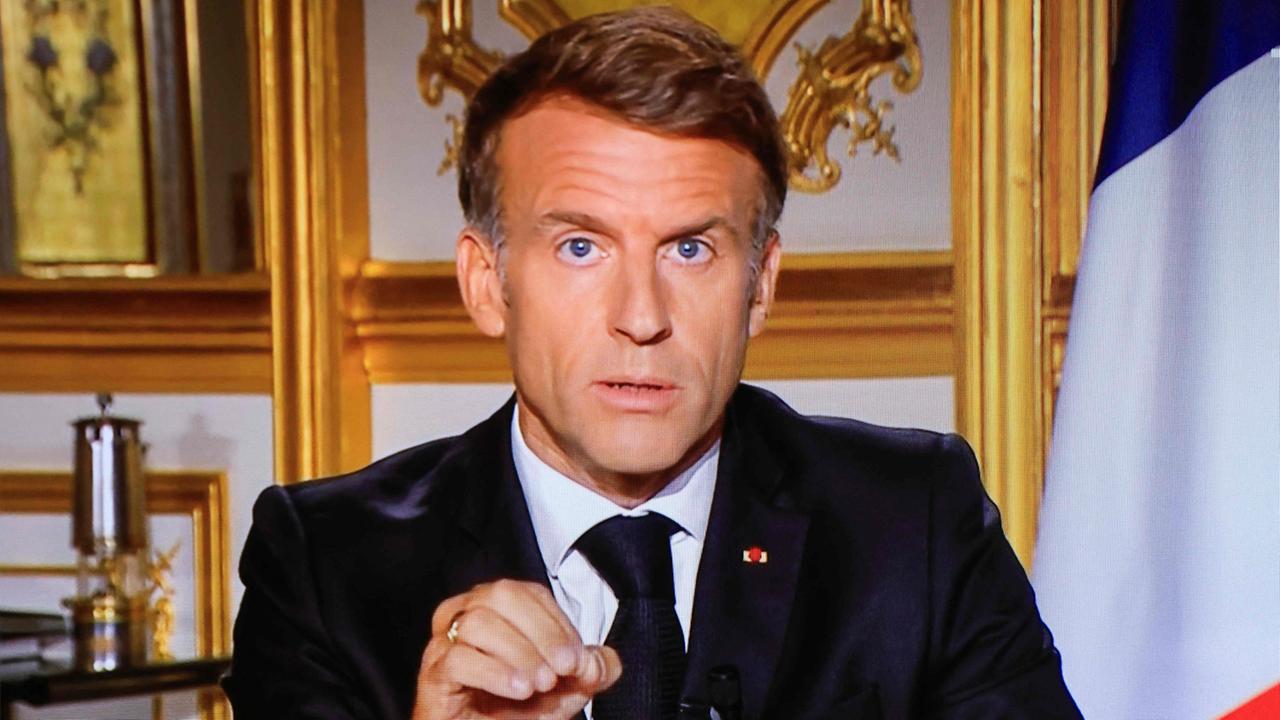
Following the outbreak of violence, President Emmanuel Macron went on national television to address the nation. He expressed his anger and shame at what he saw, drawing a clear line between peaceful protesters and those he labelled "ultra‑left rioters." Macron condemned the violence in stark terms, stating that nothing justifies, explains, or excuses the destruction. He warned that those who destroyed property must pay for it, those who looted must compensate the damage, and anyone who attempted to overthrow the republic would be held accountable. The president also called on all political parties to denounce any form of violence and urged the government to learn from the events.
In the wake of the televised address, the French government convened an emergency meeting on October 18. Officials gathered to discuss the unfolding crisis and to consider next steps. As part of the response, authorities announced they would review police actions to identify any possible oversights during the confrontations. Macron indicated that, if necessary, the government could ban future demonstrations to restore order. The emergency meeting also served as a platform for the president to reiterate his commitment to justice and to signal that impunity would not be tolerated.
Arrest figures varied across sources, with some citing two thousand people taken into custody and others reporting twenty‑four hundred arrests.
The scale of the unrest was reflected in the numbers released by officials. Over one thousand police officers were reported injured during the clashes. Arrest figures varied across sources, with some citing two thousand people taken into custody and others reporting twenty‑four hundred arrests. These numbers underscored the intensity of the confrontations and the breadth of the police response.
The events in France did not go unnoticed abroad. On October 18, a senior Russian Foreign Ministry official criticized Macron’s statements, questioning how the French could treat their own country in such a manner. The official’s remarks echoed a sentiment of disbelief, asking what could drive citizens to act against their nation. This external commentary added an international dimension to the domestic crisis, highlighting how the unrest resonated beyond France’s borders.
Macron’s address contained passages delivered in several languages, reflecting the gravity of his message. In Persian, he declared that he would deal decisively with those who had caused disorder. In German, he asserted that whoever destroyed must pay, whoever looted must replace the damage, and whoever tried to topple the republic would face accountability. These multilingual excerpts emphasized the president’s resolve to confront the violence head‑on.
As the emergency meetings concluded and the police review got underway, France faced a period of uncertainty. The government’s pledge to examine law‑enforcement conduct, the possibility of restricting future protests, and the president’s unambiguous condemnation set the tone for the coming weeks. While the immediate violence had subsided, the underlying grievances over living costs remained, leaving the nation to grapple with both the aftermath of the riots and the deeper social tensions that sparked them.