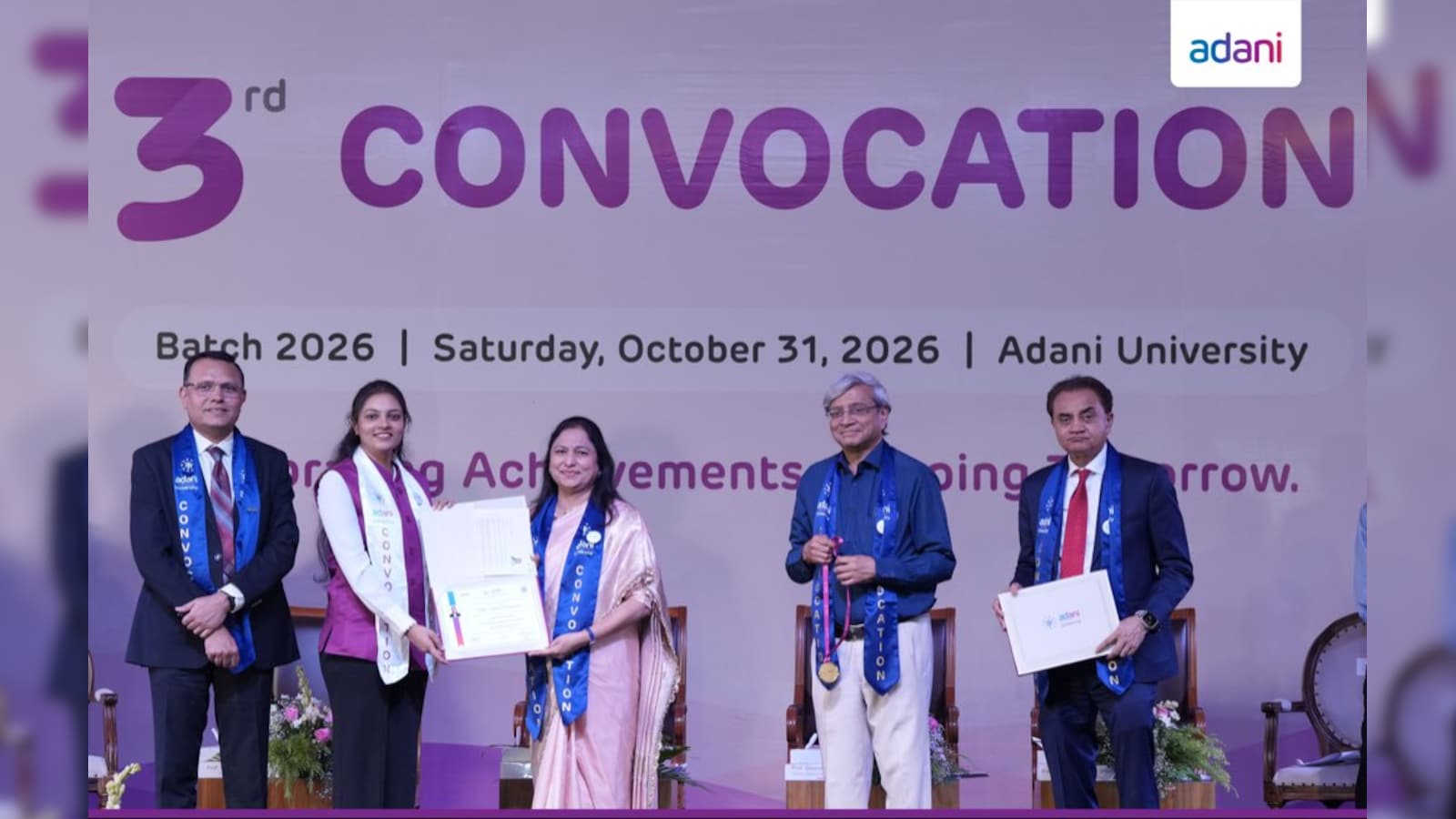
On October 31, 2026, the sprawling campus of Adani University in Ahmedabad pulsed with the excitement of a third convocation. 374 students, the exact number of degrees conferred that day, stepped onto the stage to receive their diplomas. Ten of them were honored with academic excellence medals, a testament to the university’s commitment to celebrating scholarly achievement.
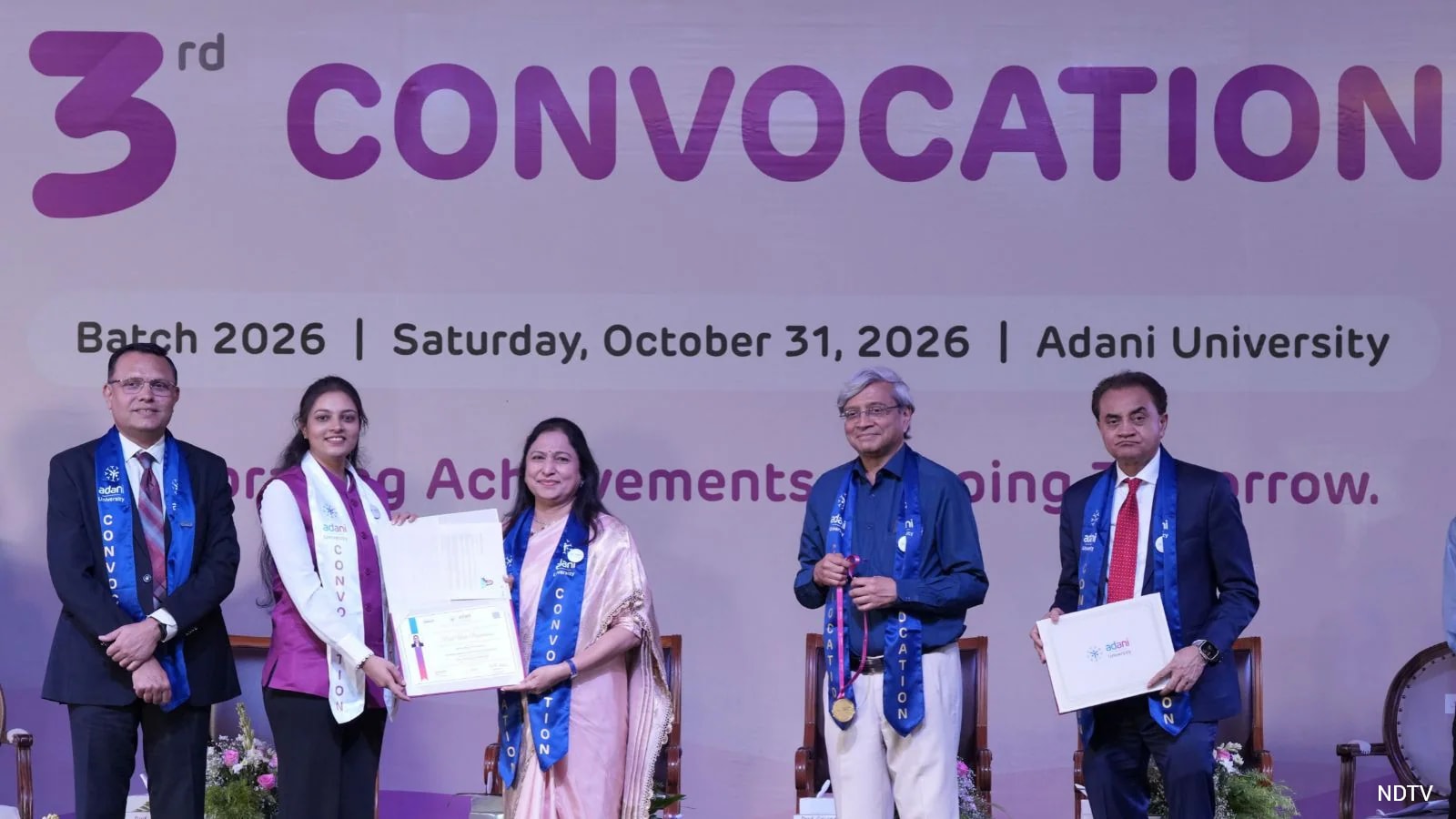
The ceremony was a blend of tradition and ambition. The university’s President, Dr. Priti Adani, opened the proceedings with remarks that framed the event as a milestone in the nation’s journey toward innovation. Her words underscored the importance of industry‑academia collaboration, a theme that would echo throughout the day.
The highlight of the event was the presence of Prof. Govindan Rangarajan, director of the Indian Institute of Science (IISc). As the chief guest, he delivered a keynote address that was both celebratory and cautionary. Prof. Rangarajan highlighted the transformative power of artificial intelligence, noting that it “offers tremendous possibilities in education and research.” Yet he also warned that the same technology could undermine the very foundations of scientific truth.
The director’s remarks served as a reminder that the tools we build can shape the very fabric of society.

Dr @AdaniPriti, President, Adani University, presided over the university’s third convocation ceremony in Ahmedabad. The university conferred 374 degrees on the Class of 2026, and 10 students received medals for academic excellence. In her address, Dr Adani spoke about the relationship between industry and academia and urged the students to work on breakthroughs that can reach the most marginalised sections of society. Prof Govindan Rangarajan, Director, Indian Institute of Science (IISc), was the chief guest, and he spoke about the growing impact of AI on education, research and society, including concerns over the erosion of truth and weakening human relationships. Provost Prof (Dr) Dhaval Pujara presented the university’s annual report during the event. Established in 2022, Adani University focuses on industry-relevant education, practical learning and research.
During his speech, Prof. Rangarajan pointed out that AI can accelerate scientific discovery and solve complex problems. He emphasized that the technology’s capacity to generate realistic images, videos, and information could become a double‑edged sword. “When images, videos and information can be generated so convincingly, how do we know what is true?” he asked the audience, prompting a collective reflection on the integrity of knowledge.
He also pointed out that AI’s digital connectivity, while bringing people closer, might paradoxically distance them from one another. “We must embrace what AI can do, but also think carefully about what we stand to lose,” he urged.
Rangarajan’s warnings were not merely theoretical. He framed them as a direct challenge to the graduating class, urging them to remain mindful of AI’s consequences. The director’s remarks served as a reminder that the tools we build can shape the very fabric of society.
He stressed that the growing use of AI raises serious questions about truth, trust, and human relationships. In a world where misinformation can spread faster than ever, the need for critical thinking and ethical standards becomes paramount.

Artificial Intelligence (#AI) is creating new opportunities in education and scientific research, but its growing influence also raises questions about truth, trust and human relationships, said Prof. #GovindanRangarajan, Director of the Indian Institute of Science (IISc), at @AdaniUniversity's third convocation ceremony in #Ahmedabad on Saturday. #AdaniUniversity conferred 374 degrees on the Class of 2026. Ten students received medals for academic excellence: five gold, three silver and two bronze. @AdaniOnline
While Prof. Rangarajan cautioned, Dr. Priti Adani offered a complementary perspective. She spoke of India’s achievements in infrastructure development and the need to elevate the country’s capacity for innovation and new ideas. “We are fortunate to have Prof. Rangarajan as our Chief Guest,” she said, framing his presence as a beacon for the graduating class.
Adani’s remarks underscored the university’s role in fostering research and innovation. She emphasized that collaboration between industry and academia would be essential for societal impact, a sentiment that resonated with the theme of responsible technological advancement.
The convocation, while a celebration of academic milestones, also became a moment of collective introspection. The juxtaposition of 374 fresh degrees and a warning about the fragility of truth highlighted the paradox of progress: each new discovery carries the risk of misinterpretation.
Graduates left the auditorium with their diplomas in hand, but also with an awareness that their future work would be shaped by the ethical frameworks they chose to adopt. The event served as a reminder that the pursuit of knowledge must be balanced with a commitment to integrity.

Artificial Intelligence (AI) is creating new opportunities in education and scientific research, but its growing influence also raises questions about truth, trust and human relationships, said Prof. Govindan Rangarajan, Director of the Indian Institute of Science (IISc), at Adani University’s third convocation ceremony in Ahmedabad on Saturday. Adani University conferred 374 degrees on the Class of 2026. Ten students received medals for academic excellence: five gold, three silver and two bronze.
Today, the lessons from Adani University’s convocation echo across campuses and laboratories. The conversation about AI’s role in education and research continues, with scholars and industry leaders debating how to harness its power responsibly. The university’s 374 graduates now carry not only academic credentials but also a mandate to question, to verify, and to act with conscience in an age where truth can be engineered.
In the words of Prof. Rangarajan, the future is a space where we must “embrace what AI can do, but also think carefully about what we stand to lose.” That balance will define the next generation of scientists, educators, and innovators.