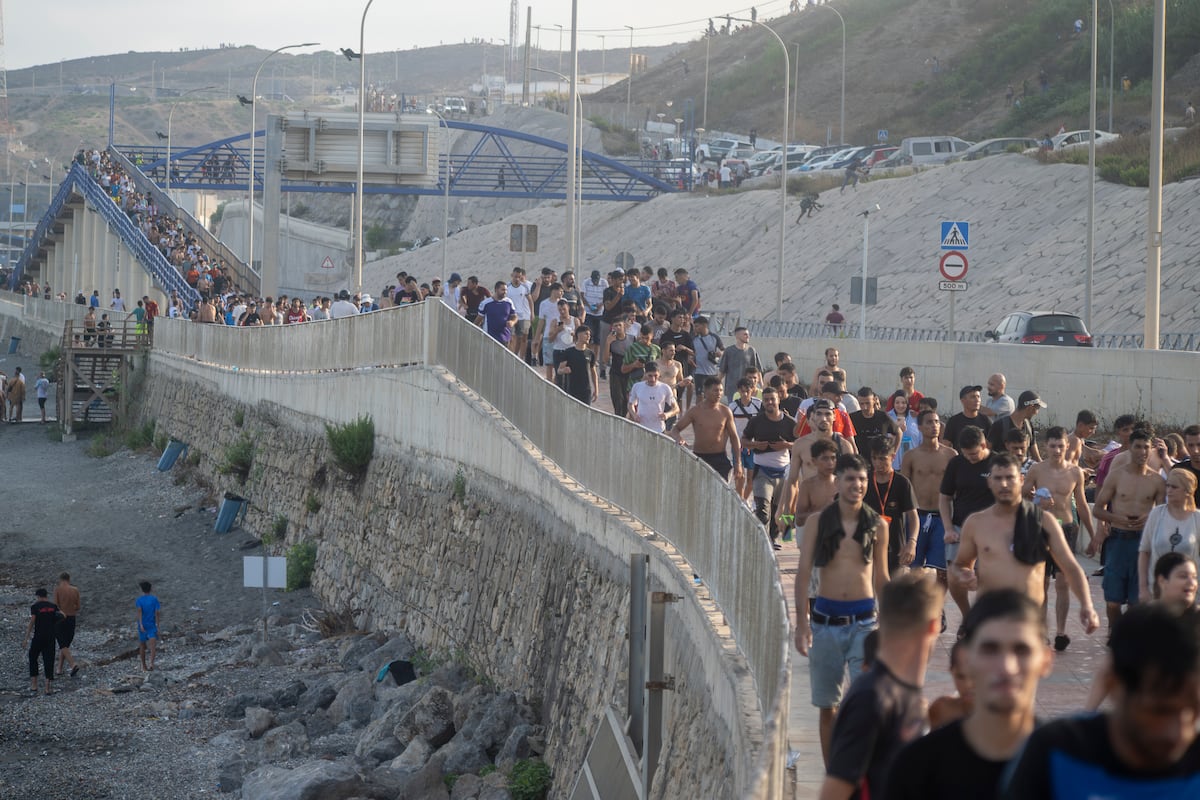
On July 30, 2026, the Spanish city of Ceuta, a small enclave perched on the northern coast of Africa, became the site of an unprecedented humanitarian and security crisis. Over the course of two days, ending on July 31, an estimated 72,000 people crossed the border irregularly from Morocco. The sheer scale of the movement transformed the city’s landscape overnight, creating a situation that immediately drew the attention of the Spanish judiciary. As the dust settled, questions regarding the origins of the surge, the role of Moroccan authorities, and the preparedness of Spanish intelligence began to dominate the national conversation.
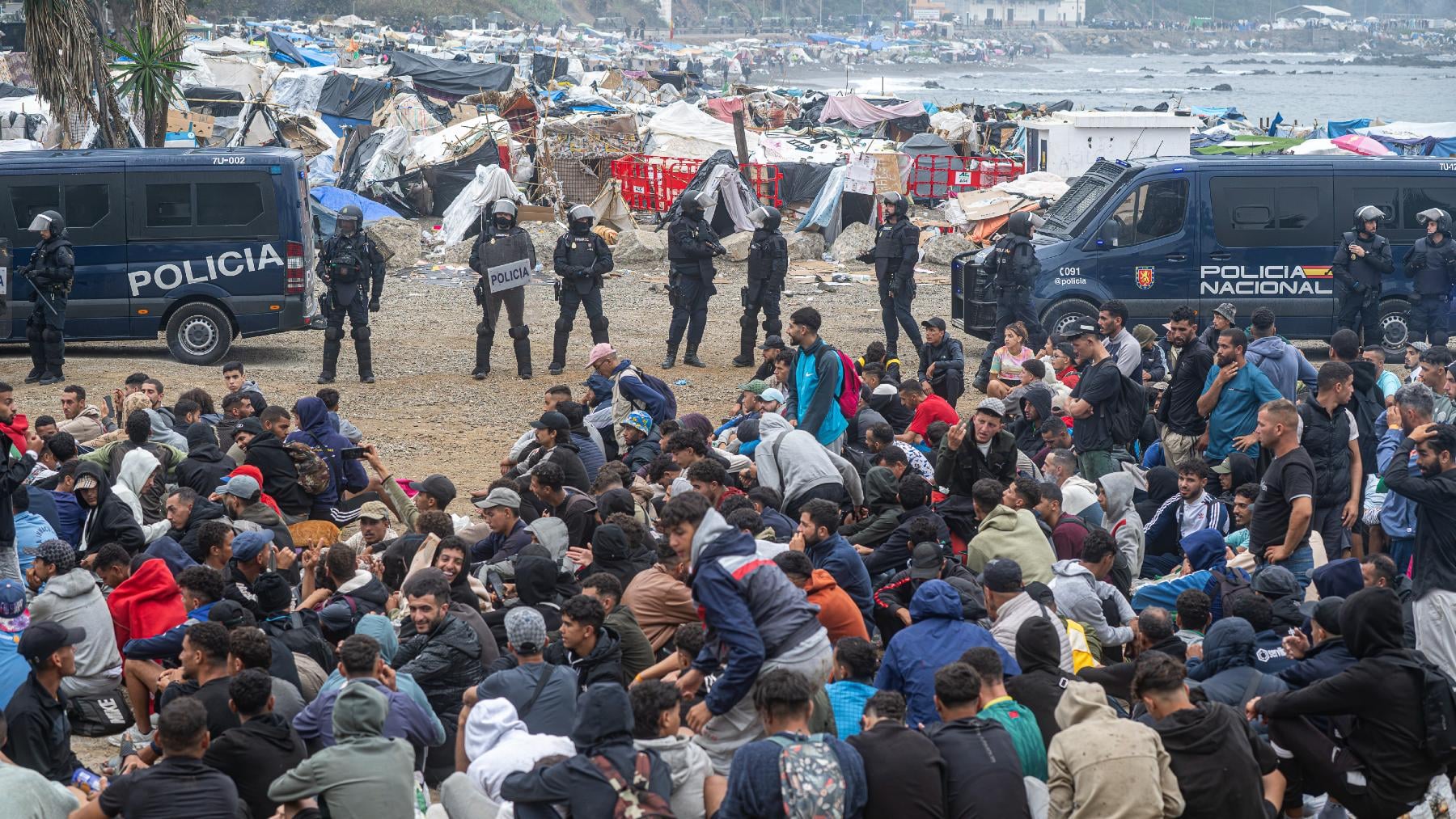
At the center of the subsequent investigation is Judge María Tardón of the Audiencia Nacional. Tasked with untangling the events of those two days, Tardón has found that the path to clarity is blocked by the wall of state secrecy. For months, the investigation has sought to piece together exactly how such a massive influx occurred and what, if any, intelligence had been gathered by the Centro Nacional de Inteligencia (CNI)—Spain’s primary intelligence agency—before the first individuals crossed the border. To bridge this gap, the court has turned its focus toward the classified reports held within the government’s archives.
On October 27, 2026, the legal pressure reached a new threshold. Judge Tardón issued a formal, urgent request to the Council of Ministers, demanding the declassification of a specific set of CNI documents. This was not a mere suggestion; the court granted the government a strict 15-day window to comply. The judge’s order is rooted in the belief that these documents are not merely supplementary, but essential to the integrity of the ongoing investigation. Without access to these reports, the court argues, it is impossible to fully understand the actions taken by Moroccan authorities or the nature of the intelligence shared between agencies during the crisis.
The reports in question are expected to contain detailed assessments of the actions taken by Moroccan authorities during the July surge.
What makes these documents particularly sensitive is their content. The reports in question are expected to contain detailed assessments of the actions taken by Moroccan authorities during the July surge. Furthermore, the judge has requested information regarding the specific recipients of these intelligence reports within the Spanish government. By identifying who received this information and when, the court hopes to determine whether the state had the capacity to anticipate or mitigate the mass arrival. The request also underscores the need to ensure the cooperation of CNI agents and those who processed their communications, as their testimony—and the records they generated—could prove pivotal in determining legal culpability.
This is not the first time the government has been forced to grapple with the transparency of its intelligence regarding the Ceuta events. Earlier in the year, on September 8, 2026, the government had already partially declassified a selection of CNI documents. However, that release appears to have been insufficient for the needs of the court. Judge Tardón’s latest move suggests that the previous disclosure left significant gaps in the narrative, prompting the current, more aggressive push for a comprehensive release of the remaining classified material.
As the 15-day deadline looms, the standoff between the judiciary and the executive branch highlights the inherent tension between national security protocols and the public’s right to know. For the residents of Ceuta and the broader Spanish public, the outcome of this request will determine whether the events of July 2026 remain shrouded in the ambiguity of state secrets or are finally brought into the light of judicial scrutiny. For now, the investigation remains in a state of anticipation, waiting to see if the government will yield to the judge’s demand or continue to shield its intelligence files from public view.