For nearly a decade, the political landscape of Spain has been defined by the 'procés'—the tumultuous movement for Catalan independence that reached its zenith in the 2017 referendum. At the heart of this storm were the leaders of the regional government, whose actions led to a protracted legal battle that has now, on October 20, 2026, reached a definitive, if contentious, conclusion. The Spanish Supreme Court has officially granted amnesty to former Catalan vice president Oriol Junqueras and three other former cabinet members: Raül Romeva, Jordi Turull, and Dolors Bassa. This decision effectively extinguishes the criminal responsibility of these leaders, marking the end of a nine-year legal process that began with the pretrial detention of the defendants and has since rippled through every layer of Spanish society.
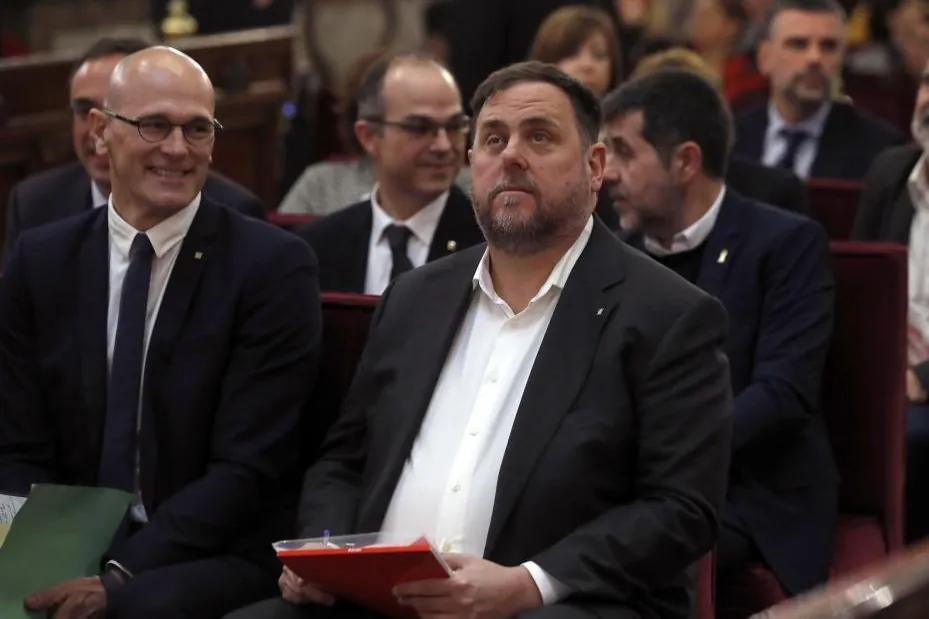
On October 20, 2026, the Supreme Court moved to apply the amnesty law to these four individuals, who had previously been convicted of malversation—the misuse of public funds—for their roles in the movement. While the amnesty itself brings a formal close to the criminal cases, the path to this resolution has been anything but harmonious. The move comes alongside the Spanish government’s approval of an indulto, or pardon, reflecting a broader political effort to move past the deep divisions of the 1-O movement. Yet, the legal finality of the amnesty has been overshadowed by a sharp, public confrontation between the judiciary’s two most powerful institutions.
While the Constitutional Court had previously signaled its approval of the amnesty, the Supreme Court’s application of that law was accompanied by a scathing critique of the Constitutional Court’s own reasoning. The Supreme Court did not merely apply the law; it used the occasion to issue a blistering rebuke of the Constitutional Court, accusing it of 'injerencia'—unwarranted interference—and 'grandilocuencia'—unnecessary grandiloquence. The tension between the two courts is not merely a matter of legal interpretation; it is a fundamental disagreement over jurisdiction and the proper role of the judiciary in managing the fallout of the Catalan crisis.
The Supreme Court suggested that the Constitutional Court’s rhetoric was a deliberate attempt to obscure the reality of its overreach.
At the center of this judicial friction is the language used by the Constitutional Court in its own rulings. The Supreme Court, in its decision on October 20, 2026, argued that the Constitutional Court’s intervention was not only unnecessary but actively encroached upon the Supreme Court’s own jurisdictional domain. The Supreme Court suggested that the Constitutional Court’s rhetoric was a deliberate attempt to obscure the reality of its overreach.
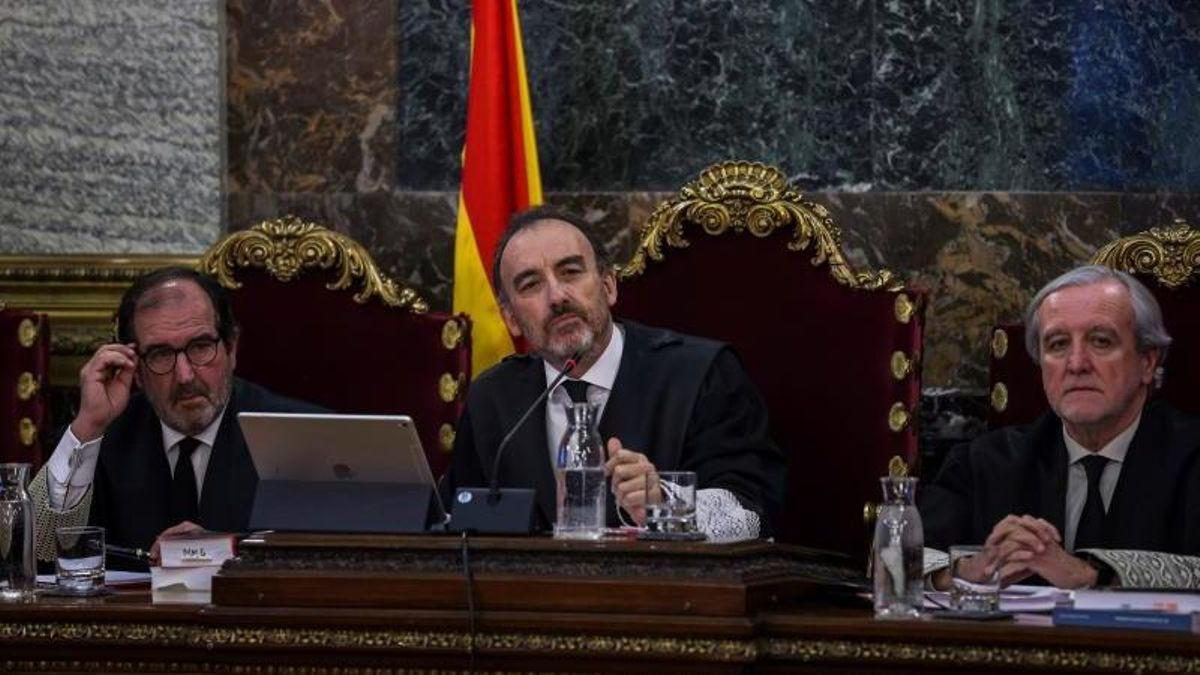
Justice Manuel Marchena, writing for the Supreme Court, offered a pointed assessment of the Constitutional Court’s approach. He noted that the 'crust of those words'—referring to the Constitutional Court's reasoning—and their 'unnecessary grandiloquence' revealed a clear desire to dress up an invasive argument. According to Marchena, these expressions were designed to mask the intensity of the interference into the Supreme Court’s own sphere of authority. This critique highlights a deep-seated institutional resentment, suggesting that the Supreme Court views the Constitutional Court’s recent actions as a threat to its independence.
This clash represents a significant moment in Spanish legal history. By openly criticizing the Constitutional Court, the Supreme Court has signaled that it will not accept what it perceives as an encroachment on its power, even when the end result—the amnesty—is aligned with the broader political trajectory. The 'procés' may be legally concluded, but the institutional scars remain visible. The disagreement underscores the ongoing struggle to define the limits of judicial power in a country still grappling with the consequences of its most significant constitutional crisis in decades.