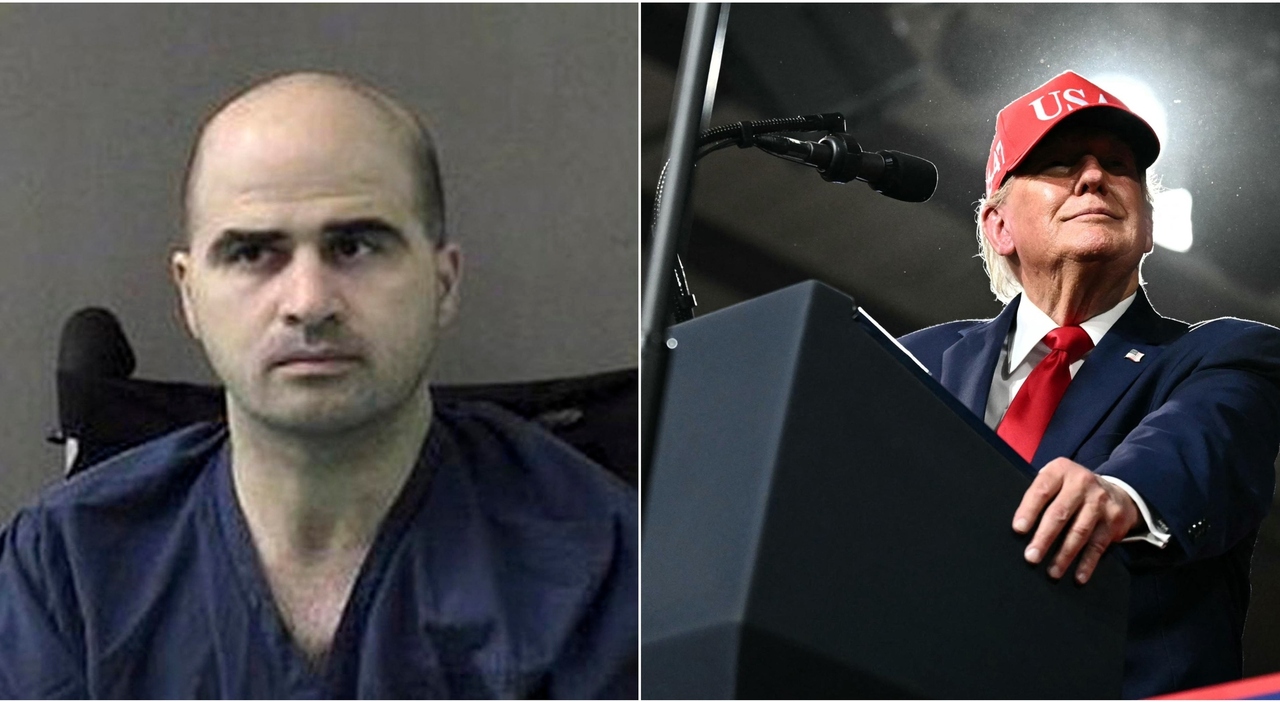
In 2009, the Fort Hood military base became the site of a tragedy. Nidal Hasan, a U.S. Army major and psychiatrist, opened fire on his fellow soldiers, killing 13 and wounding more than 30. In 2013, a military jury sentenced Hasan to death after finding him guilty of 45 counts of premeditated murder and attempted premeditated murder. The FBI had previously intercepted electronic communications between Hasan and the radical Yemeni-American cleric, Anwar al-Awlaki, but concluded that the emails did not constitute a threat.
The execution of Nidal Hasan was scheduled for December 3. Initially, there were discussions regarding the livestreaming of the event. President Donald Trump stated that he believed publicly airing the execution might have been a strong deterrent for the world to witness how America deals with terrorists and scum like Hasan.
The proposal sparked immediate outrage. Rights groups, religious leaders, and international bodies, including the United Nations and the U.S. Conference of Catholic Bishops, condemned the plan. Vice President JD Vance distanced himself from the broadcast, stating, 'I’m not going to be watching it.' The controversy was further fueled by a recent botched execution that reignited debates about the death penalty in the United States.
Vice President JD Vance distanced himself from the broadcast, stating, 'I’m not going to be watching it.

Donald Trump issues verdict on live-streaming of Fort Hood shooter Nidal Hasan’s execution https://t.co/5U5Yt2VaIV
Facing mounting pressure, Trump reversed course. He announced that the execution would proceed as planned but would no longer be livestreamed. 'Many very good and well-meaning people would rather not watch him die,' Trump explained, while still maintaining that the broadcast could have served as a deterrent. The decision allows for the families of those killed in the attack to view the execution if they wish, as they deserve to see justice in action.