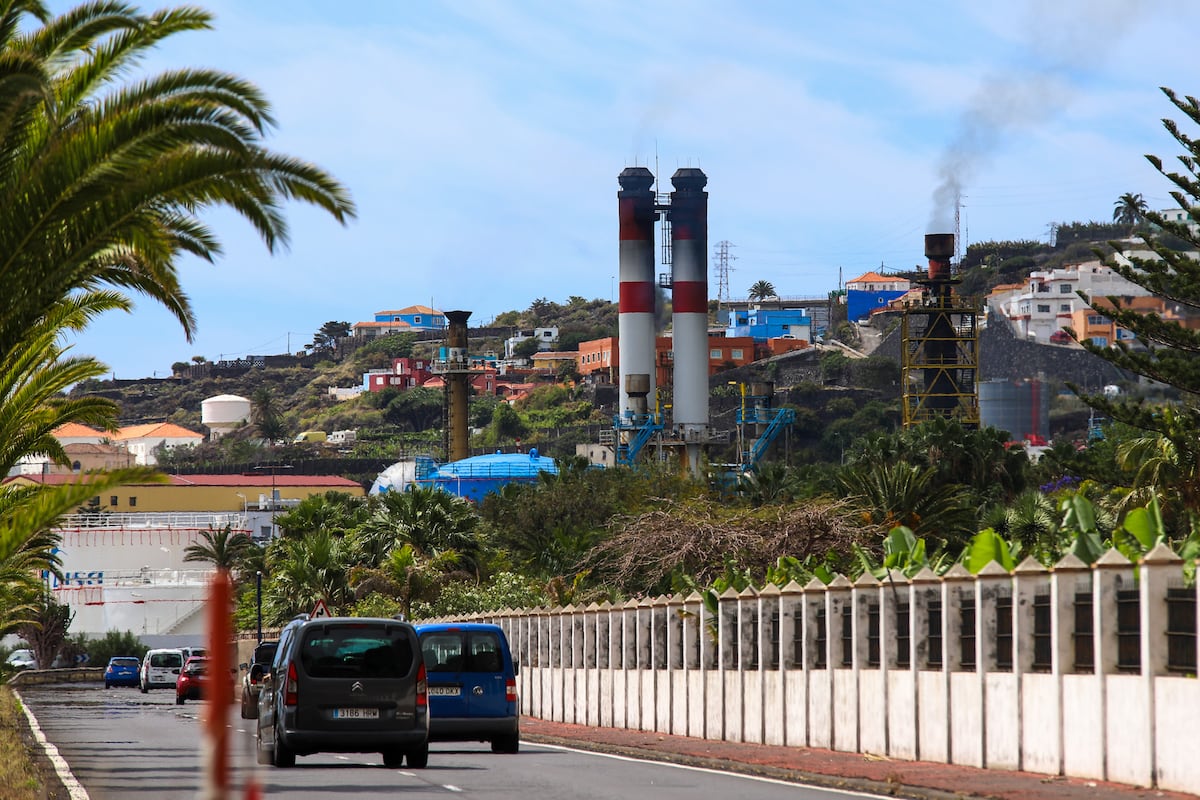
On the morning of November 2, 2026, the island of La Palma awoke to a stark reality: the sun was hidden behind a thick curtain of darkness. At 6:42 AM, the general electrical system failed, plunging the entire island into a complete power outage. The skies, already overcast, quickly grew even more ominous as heavy rainfall began to pour down, with accumulations reaching up to 138 liters per square meter in just 12 hours. The island had been under a maximum alert for heavy rainfall since 02:00 AM, adding urgency to the emergency response.
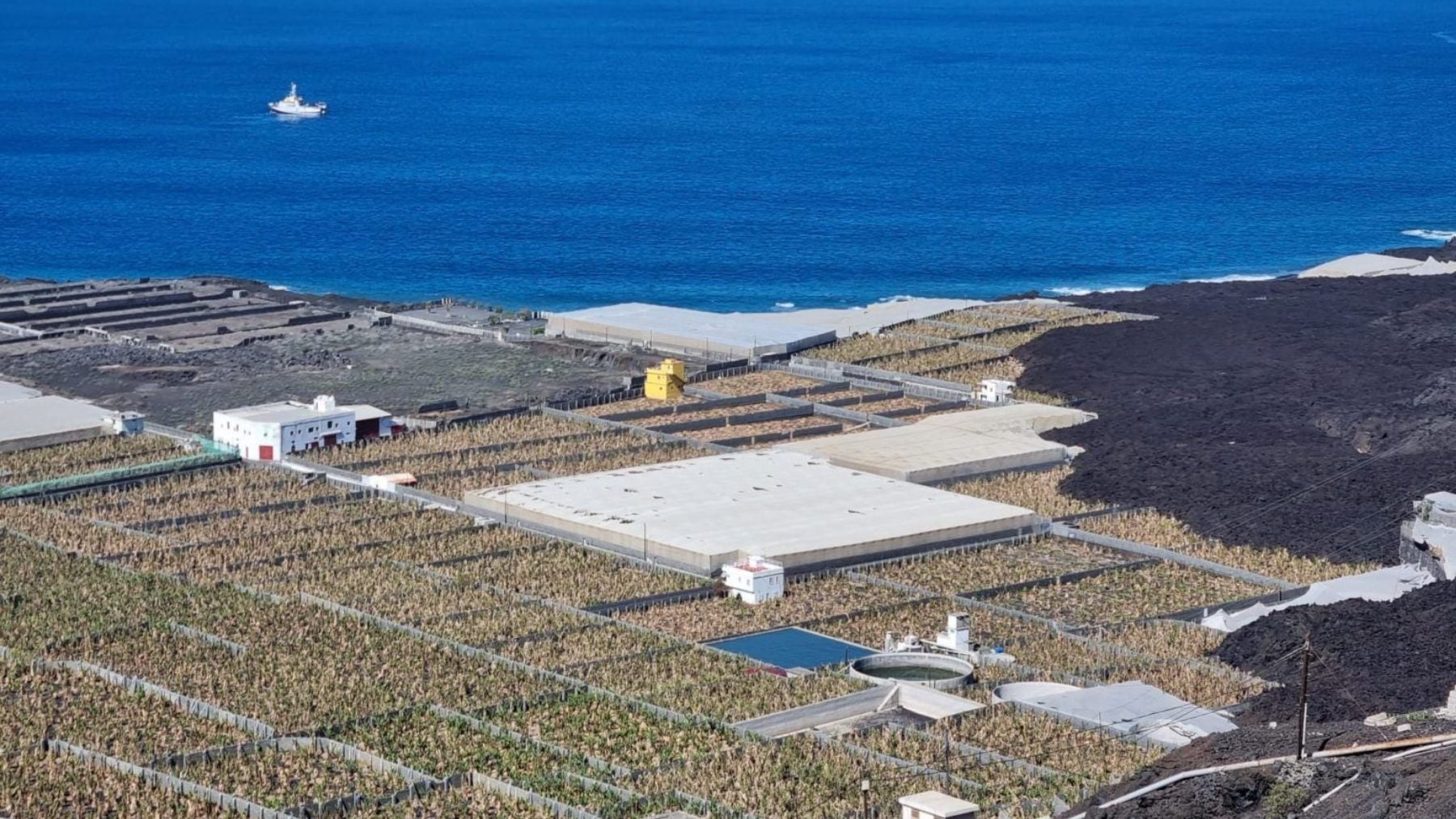
The Government of the Canary Islands quickly sprang into action. At 6:42 AM, the island was declared to be in a state of alert, with the activation of the PLATECA emergency plan. President Fernando Clavijo, known for his calm demeanor during crises, addressed the situation. "Está muy pendiente de la situación en La Palma," he said, emphasizing the government's commitment to the island's well‑being.
The island's residents were urged to take precautions. Clavijo advised, "extreme las precauciones, evite los desplazamientos innecesarios, no cruce zonas inundadas y reduzca el uso del vehículo." The message was clear: stay safe and avoid unnecessary travel. The Centro Coordinador de Emergencias y Seguridad 112 Canarias became the central hub for information and guidance, ensuring that residents had the latest updates on the situation.
The government declared a maximum alert situation for La Palma, ensuring that all necessary resources were mobilized to address the crisis.
Rainfall intensified across the island, with the eastern region recording the highest totals—138 liters per square meter in a 12‑hour period. The heavy precipitation contributed to flooding concerns and reinforced the need for the maximum alert already in place.
The situation on La Palma was not isolated. In Tenerife, the largest island of the archipelago, over 160,000 homes had already been without power due to a breakdown on Sunday. The Canary Islands, known for their solidarity and mutual support, rallied to help. The government declared a maximum alert situation for La Palma, ensuring that all necessary resources were mobilized to address the crisis.
Authorities are focusing on safety and the rapid restoration of electricity while addressing the meteorological hazards. Emergency services remain on high alert, coordinating efforts under the PLATECA plan to bring power back to residents as quickly as possible.
Officials continue to monitor weather conditions closely and stand ready to adjust alerts as needed. The focus remains on protecting residents, restoring essential services, and mitigating any further flooding risks.
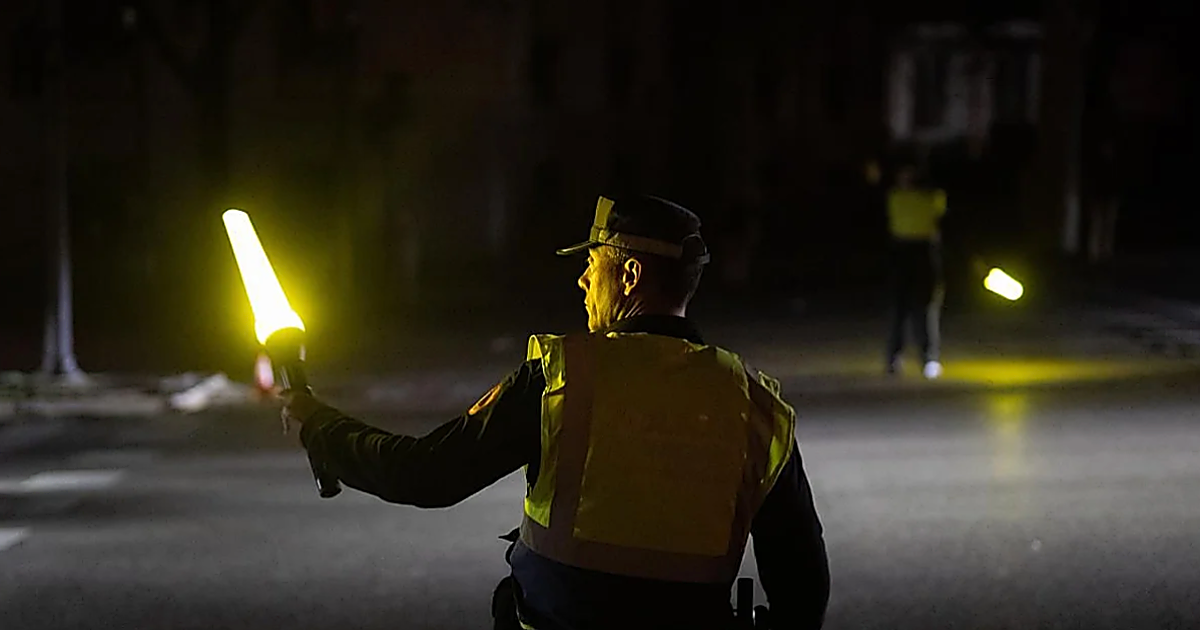
La Palma, like the rest of the Canary Islands, is a community built on resilience and unity. The total blackout and heavy rainfall have tested the island's infrastructure and the resolve of its people. As efforts progress, there is cautious optimism that power will be restored and normalcy will return.