
On a Friday that began like any other, the earth beneath the southern coast of Panama suddenly gave way. At a shallow depth of just 10 kilometers, a massive 7.7 magnitude earthquake struck near the rural community of La Pitaloza, releasing an immense amount of energy that was felt far beyond the epicenter. For those living in the immediate vicinity, the sensation was not merely a tremor, but a violent disruption of the world as they knew it.
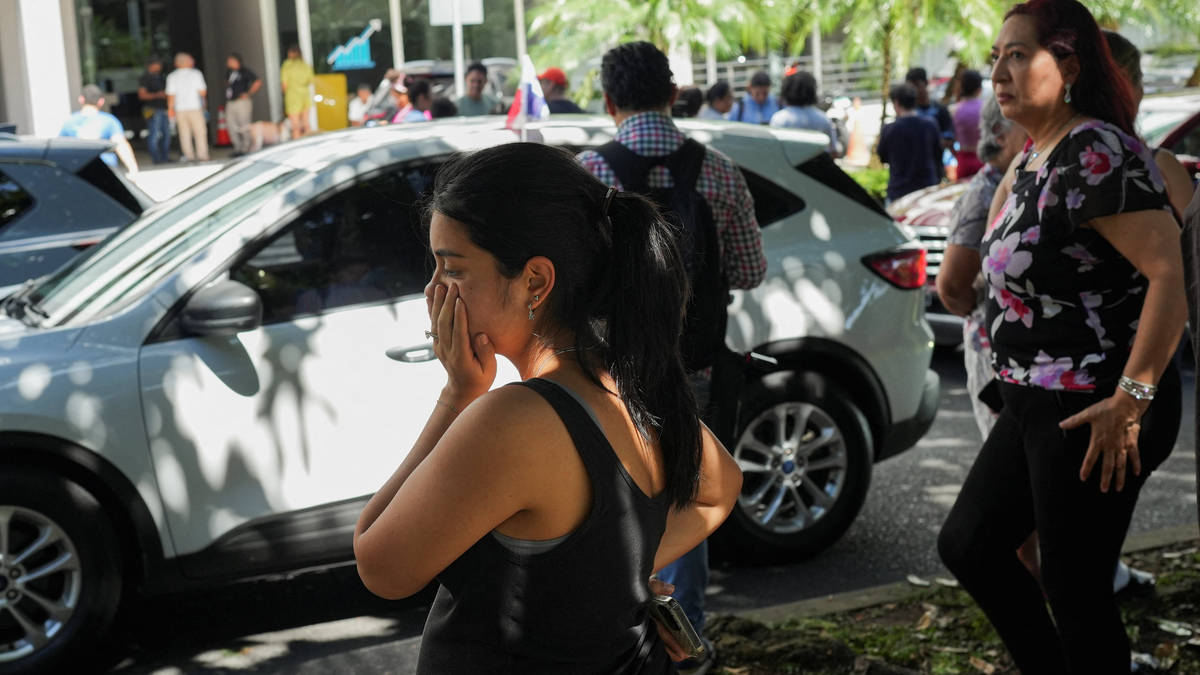
The US Geological Survey confirmed the magnitude and depth of the seismic event, which originated near the rural community of La Pitaloza. Because the quake occurred at such a shallow depth of 10 kilometers, the energy transferred more directly to the surface, creating a powerful impact that resonated through the crust. The shockwaves traveled quickly, reaching as far as Panama City and even crossing borders to be felt in the capital of neighboring Costa Rica. In the immediate aftermath, television footage captured the chaos of the moment: residents fleeing their homes and evacuating buildings as the ground buckled beneath them.
When an earthquake of this magnitude occurs beneath or near the ocean, the primary fear shifts from the shaking ground to the rising tide. Almost immediately following the tremor, the US Tsunami Warning System moved into high gear. The sudden displacement of the seabed carries the potential to push massive volumes of water toward distant shores, creating waves that can travel across entire ocean basins with devastating force.
Even the distant islands of the Pacific were not exempt from the concern, as a tsunami threat was issued for Hawaii.
To mitigate the risk, authorities issued urgent warnings that hazardous tsunami waves were possible along the coasts of several nations. The scope of the threat was vast, encompassing the Pacific coastlines of Panama, Colombia, Costa Rica, Ecuador, Peru, Nicaragua, Guatemala, El Salvador, and Mexico. The window for potential impact was narrow, with the warning system indicating that these waves could arrive within a three-hour timeframe.

Disaster hits nation as buildings collapse and hospitals evacuated in 7.7 quake https://t.co/kDARogmKRg https://t.co/B4XHIAN6fb
The reach of the seismic event and the subsequent tsunami warnings created a corridor of anxiety stretching from the southern reaches of Central America up through Mexico. Even the distant islands of the Pacific were not exempt from the concern, as a tsunami threat was issued for Hawaii. For coastal communities across these diverse nations, the three-hour countdown became a period of frantic preparation and uncertainty, as the possibility of incoming surges loomed over the coastline.
Amidst the regional alarm, one of the world's most critical maritime passages sat in the center of the tension: the Panama Canal. As a global linchpin for international trade, any disruption to the canal's operations can have immediate ripple effects on the global economy. However, as the earthquake rattled the region, the Panama Canal Authority provided a stabilizing piece of information. The Authority confirmed that waterway operations remained normal, suggesting that despite the seismic activity nearby, the essential infrastructure of the canal had not been compromised.

A 7.2 magnitude earthquake hits western #Haiti, the @USGS_Quakes said, causing deaths & damaging buildings in the disaster-plagued #Caribbean nation. The earthquake on Saturday struck 8km from Petit Trou de Nippes, 150 km west of the capital Port-au-Prince, at a depth of 10 km. https://t.co/L2z8ZhNIWH
While the immediate danger of the earthquake has passed, the focus has shifted to the stability of the affected areas. In the rural community of La Pitaloza and surrounding regions, the sight of evacuated buildings serves as a stark reminder of the earthquake's power. While initial reports indicated no specific damage to the canal, the human element—the people seen on television fleeing their homes—highlights the immediate disruption to life and safety in the wake of such a massive geological event.
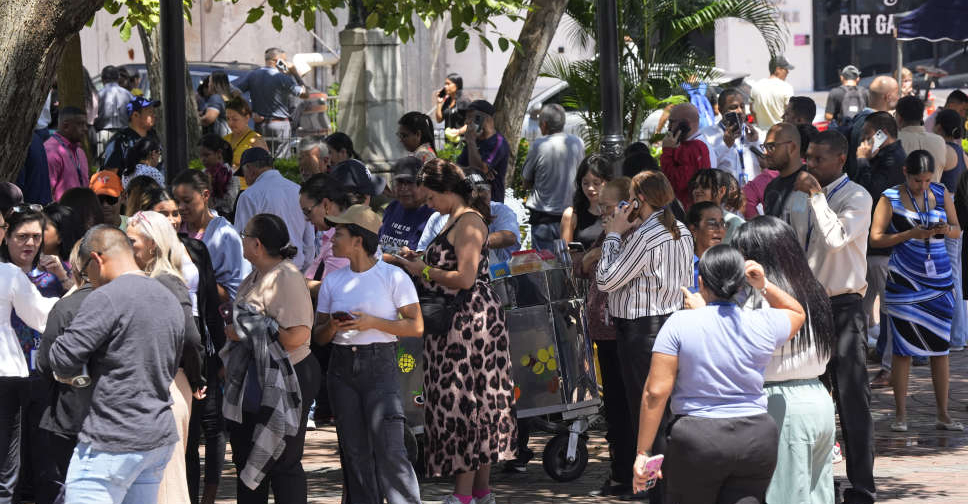
As the three-hour window for potential tsunami waves unfolds, the region remains in a state of heightened vigilance. The sheer scale of the 7.7 magnitude quake has left a trail of questions regarding the stability of coastal structures and the long-term impact on the communities that felt the earth move.