
In the quiet aftermath of a sweltering summer, the true cost of rising temperatures is often measured not in broken air conditioners or delayed flights, but in empty chairs at dinner tables and silent hospital wards. This past season, Europe experienced its most deadly heat in recorded history, a tragedy quantified by two groundbreaking studies published on October 23, 2026, in the journal Nature Health. The findings are stark: 50,000 people across the continent died due to extreme heat during the summer of 2026. More disturbingly, researchers determined that climate change was the primary driver behind approximately two-thirds of these deaths.
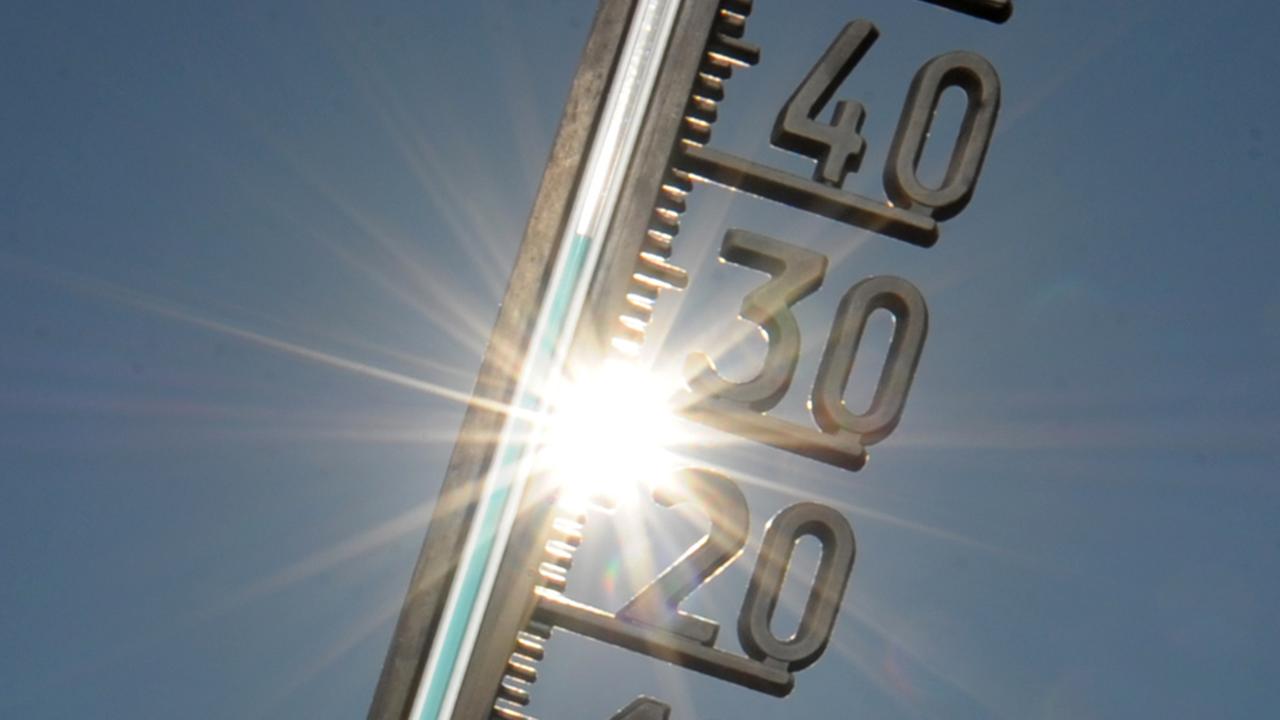
To understand the magnitude of this event, one must look beyond the average summer day. The study, led by experts from Imperial College London and the London School of Hygiene & Tropical Medicine, analyzed mortality data from 854 urban centers across the European Union, the United Kingdom, Norway, and Switzerland. These cities are home to nearly 40 percent of the population in the covered regions, making them critical indicators of continental health trends. The researchers developed a new methodological framework to isolate heat-related deaths, allowing them to draw a direct line between anthropogenic climate change and human mortality. Their conclusion was unambiguous: while heat has always been a factor in public health, the scale and intensity of 2026 were unprecedented in the current century.
The timeline of the disaster began in earnest in mid-June. While early summer warmth is common, June 2026 presented a different reality. Temperatures soared to levels 5°C above the average recorded between 1991 and 2020. This deviation was not merely uncomfortable; it was physiologically dangerous for large segments of the population, particularly the elderly and those with pre-existing conditions. The lethality of this period was concentrated in a short, intense window. Almost a third of all heat-related deaths in the entire study occurred during the brief period from June 17 to July 1, 2026. In just two weeks, the heat acted as a force multiplier for existing health vulnerabilities, pushing many individuals past the point of survival.
The jump from 29,000 to 50,000 in just four years illustrates an accelerating crisis rather than a static one.
When breaking down the 50,000 total fatalities, the role of human-induced climate change becomes mathematically clear. Of the total deaths, 32,000 were directly linked to increased temperatures caused by climate change. This accounts for roughly 65 percent of the heat-related mortality. The remaining 6,000 deaths were attributed to heat events that could have theoretically occurred under natural climate variability, though even these baseline numbers represent a significant burden on healthcare systems. To put this in perspective, compare this figure to the summer of 2022, when Europe recorded 29,000 heat-related deaths. The jump from 29,000 to 50,000 in just four years illustrates an accelerating crisis rather than a static one.
The geographic scope of the study covers a diverse range of climates, from the Mediterranean south to the Nordic north. By including Norway and Switzerland alongside the EU and UK, the researchers ensured that the data reflected a broad spectrum of adaptation capabilities and infrastructure resilience. Yet, despite varying degrees of preparedness, the sheer force of the atmospheric anomaly overwhelmed defenses. The fact that such a high percentage of deaths—two-thirds—can be traced back to climate change underscores that this is no longer a future threat but a present reality. It suggests that without significant intervention, the baseline for "normal" summer mortality is shifting upward.
The publication of these studies on October 23 marked a turning point in how scientists and policymakers view seasonal extremes. Prior to this, heatwaves were often treated as isolated weather events, manageable through temporary cooling centers or public advisories. However, the data from 2026 demands a more systemic response. The concentration of deaths in late June highlights the danger of complacency; if the peak lethality occurs before the traditional height of summer, earlier warning systems and proactive medical interventions may be necessary. The study emphasizes that adaptation efforts must increase in scale and speed. It is not enough to react to heat as it arrives; societies must build resilience against a climate where 5°C deviations become the norm rather than the exception.
For the average citizen, the statistics translate into a profound sense of vulnerability. The heat did not discriminate by nationality or economic status within the studied regions, though it disproportionately affected those least able to cope. The loss of 50,000 lives in a single summer serves as a grim benchmark. It establishes 2026 as the worst year since records began in terms of heat-related mortality in many parts of Europe. As the world looks toward future summers, the question is no longer whether heat will kill, but how many will die, and how much of that toll can be mitigated through global climate action and local adaptation strategies. The data from 2026 provides a sobering roadmap: the path forward requires acknowledging that the heat is here, it is intensifying, and it is claiming lives at a rate that previous generations never had to face.