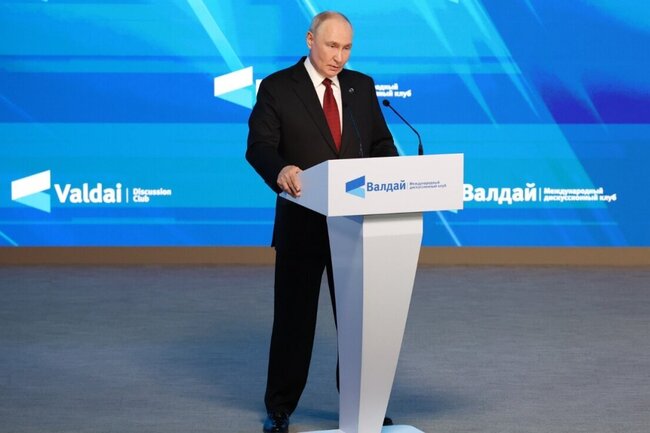
For those watching the long, grinding trajectory of the conflict in Ukraine, the events of late October 2026 have introduced a sudden, sharp shift in tone. Following a flurry of international movement—including a meeting between Ukrainian President Zelensky and a U.S. envoy in Oslo on October 20, and a subsequent meeting between Vittico and Russian President Vladimir Putin in Saint Petersburg on October 21—the diplomatic landscape shifted on October 22. It was on this day that President Putin publicly announced a readiness to resume trilateral negotiations involving Russia, Ukraine, and the United States.

This announcement, delivered in an interview with journalist Pavel Zarubin, marks a departure from the stalemate that has defined the region for years. While the history of these contacts stretches back to 2022, when initial efforts focused on the immediate mechanics of war—humanitarian corridors, prisoner exchanges, and basic ceasefire verification—the current proposal carries a different weight. Putin has framed this new iteration not as a temporary pause in hostilities, but as a dedicated vehicle for a final, lasting peace agreement.
At the heart of this proposed trilateral framework is a fundamental question of security architecture. The goal, as articulated by the Russian leadership, is to establish a set of mutual guarantees that would secure the future for both Russia and Ukraine. This is a complex undertaking, as previous attempts at resolution have frequently foundered on the rocks of conflicting political statuses, disagreements over control mechanisms, and the influence of external guarantors.
There is a clear, stated confidence from Moscow that its own strategic objectives remain unchanged.
Putin’s recent statements suggest that Moscow is looking for a comprehensive settlement. He emphasized that Russia is only prepared to engage in these trilateral contacts if the objective is a definitive peace agreement. "We are ready to resume these contacts for the achievement of this goal," Putin stated, clarifying that the intent is to move beyond the "short pause in fighting" that has characterized past diplomatic efforts.
Despite the willingness to talk, the rhetoric remains fraught with the tensions of a years-long struggle. Putin has maintained a firm stance regarding the current Ukrainian leadership, suggesting that if they choose to continue the conflict, they do so against a backdrop of waning international appetite for the war. "We are not ready for any war with Europe and Europeans are not eager for a war with Russia," Putin noted, attempting to decouple the broader European interest from the specific political trajectory of the Ukrainian administration.
There is a clear, stated confidence from Moscow that its own strategic objectives remain unchanged. As the Russian leadership has reiterated, the goals of what it terms the "special military operation" will be met, regardless of the path taken. This creates a challenging environment for negotiators, who must now bridge the gap between these established war aims and the desire for a final, negotiated settlement.
While the trilateral talks focus on Russia, Ukraine, and the United States, the diplomatic ripples are being felt across the globe. On the same day that Putin announced his readiness to resume talks, diplomats from France, the U.K., Germany, Turkey, Saudi Arabia, Pakistan, and Egypt convened in Istanbul. This gathering underscores the reality that while the core negotiations may be trilateral, the implications of a potential peace agreement are global.
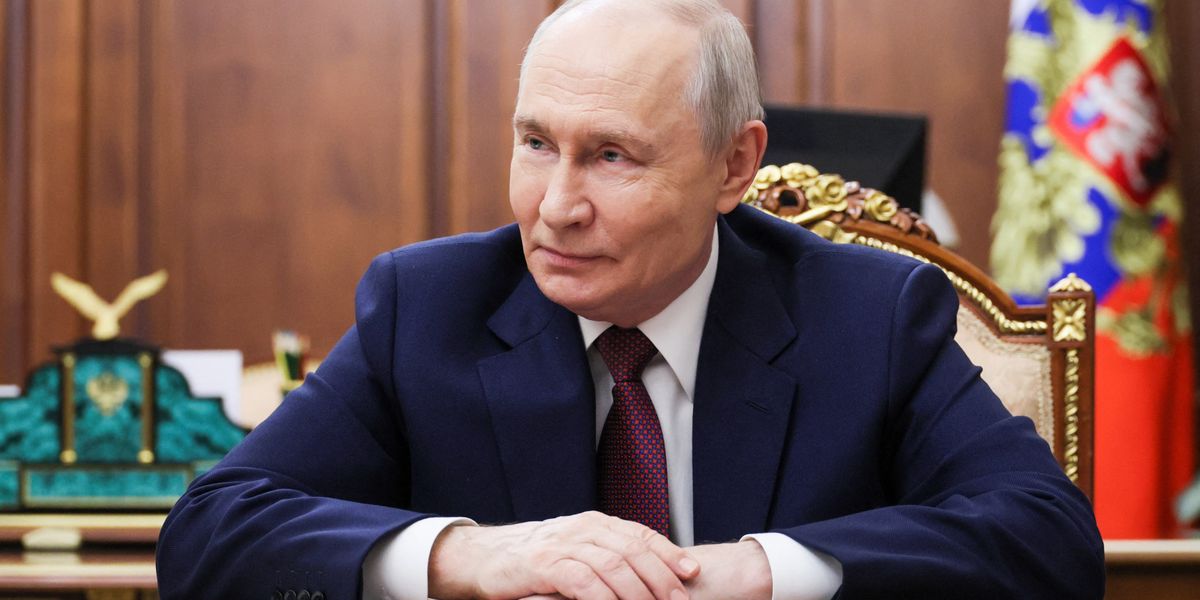
As the world watches the coming days, the focus will be on whether these trilateral contacts can move from a stated intent to a functional reality. The obstacles remain significant—ranging from the impact of existing sanctions to the deeply entrenched political factors within each nation—but the formal declaration of readiness to negotiate represents a new chapter in a conflict that has long been defined by its lack of a clear exit strategy.