On October 27, 2026, voters across Israel stepped into polling stations to decide the future of a nation grappling with existential tensions and ongoing conflicts involving Hamas, Iran, and other regional actors. The atmosphere was heavy, the stakes perceived as nothing less than existential. When the dust settled on this high-turnout election, the result was not a clear mandate for leadership, but rather a mathematical deadlock that has left the country’s 120-seat parliament, the Knesset, in a state of profound uncertainty.
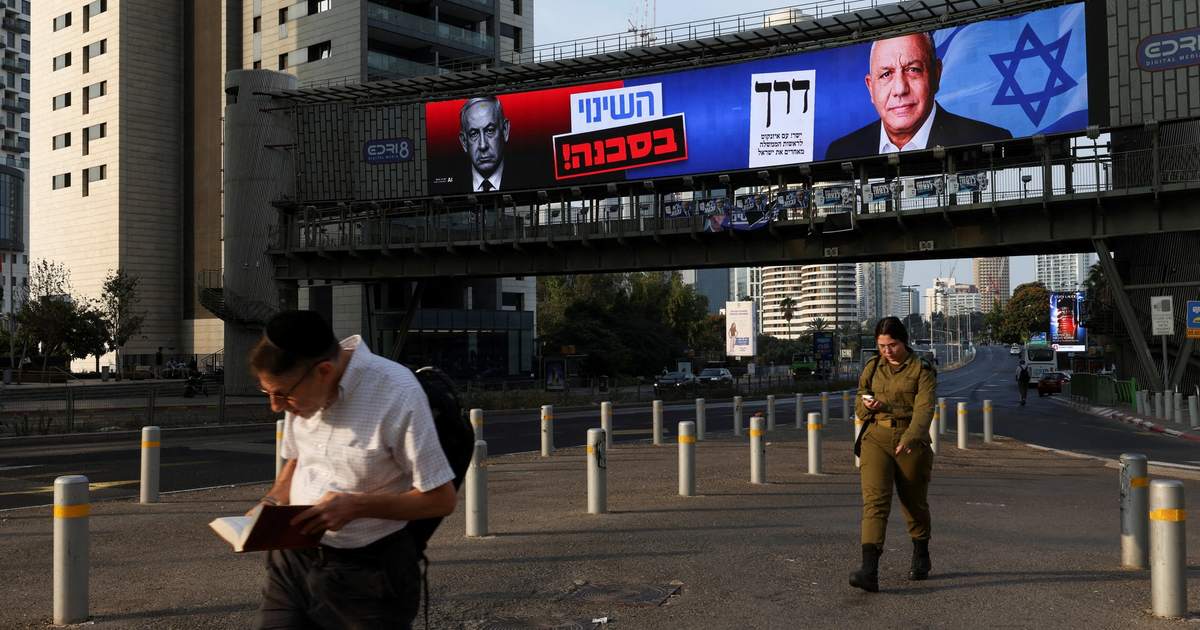
In the architecture of Israeli governance, forming a stable government requires a majority of at least 61 seats. As the exit polls from major television networks began to trickle in, it became increasingly clear that neither the incumbent Prime Minister Benjamin Netanyahu nor his primary challenger, Gadi Eisenkot, could reach that magic number. The result is a political landscape where no single bloc holds the keys to the Prime Minister's office, leaving the door open for either grueling, protracted negotiations or the possibility of yet another election.
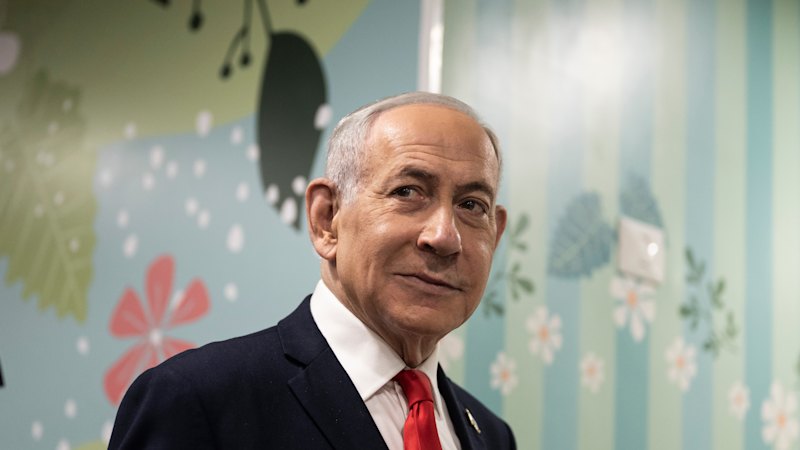
For Benjamin Netanyahu, the night was a study in contradictions. While exit polls from Israel’s Channel 12 suggest that a majority of the Israeli electorate voted against his coalition, Netanyahu managed to secure a strategic victory of sorts. His Likud party emerged as the single largest party among all contenders, outperforming many pre-election opinion surveys. This resilience can be attributed to an energetic election-day effort designed to drive the party’s traditional conservative base to the polls.
In the 2022 elections, Arab party lists secured 10 seats in the Knesset.
According to Channel 12 exit polls, Likud secured 50 seats. While this keeps Netanyahu as a central figure in the political drama, it is a far cry from the dominance his bloc once enjoyed. In the 2022 elections, Netanyahu’s right-wing coalition commanded 64 seats. The drop to 50 represents a significant decline in influence, even if the party remains the largest individual faction in the Knesset.
If Netanyahu’s bloc is diminished, the opposition is equally incapable of seizing the reins. The opposition bloc, standing in contrast to the Prime Minister's right-wing coalition, is projected to hold 52 seats. While this puts them just ahead of Likud in terms of raw numbers, it still leaves them 9 seats short of the 61 required to form a government.
This lack of a clear majority for either side has fueled intense speculation regarding the next steps for the country. Without a decisive winner, the political machinery of Israel has ground to a halt. In the interim, Netanyahu may remain in place as interim prime minister, presiding over a government that lacks a fresh mandate until a new coalition can be hammered out or the voters are called to the polls once again.
One of the most striking shifts in this election cycle was the movement of the Arab-Israeli electorate. In the 2022 elections, Arab party lists secured 10 seats in the Knesset. This year, a surge in voter turnout has seen those same parties on track to win between 17 and 18 seats.
This influx of seats represents a significant change in the parliamentary math. With 18 seats projected for the Arab parties, they have become a mathematical force that cannot be ignored. In a parliament where every single seat can determine whether a coalition reaches the 61-seat threshold, the growing presence of these parties adds a layer of complexity to the negotiations that will follow.
As the numbers became clearer, the rhetoric from the political front lines sharpened. For the opposition, the results were not just a mathematical stalemate, but a moral indictment of the current administration. Gadi Eisenkot, a primary rival to Netanyahu, viewed the exit polls as a definitive signal from the public. He suggested that the initial results indicated a total vote of no confidence in Netanyahu and his government by the Zionist majority and the majority of Israel’s citizens.
This sentiment was echoed by Ya'ir Lapid, the opposition leader, who was scathing in his assessment of the coalition's performance. Lapid dismissed the results as a failure of the highest order, telling his constituents not to be misled by the survival of Likud as a large party. To Lapid, the election was a moment where the people had spoken, telling the Netanyahu coalition to return home.
As it stands, Israel remains in a state of political suspension. The Knesset is a house divided: 50 seats for Netanyahu’s right-wing coalition, 52 for the opposition, and 18 for the Arab parties. The math is stark and unforgiving. No combination of these blocs has yet presented a clear, stable path to the 61-seat requirement without involving smaller, potentially volatile parties that could play a crucial role in the coming weeks.
Whether the country moves toward a period of intense, backroom negotiations to stitch together a patchwork coalition, or whether the deadlock necessitates a repeat of the electoral process, remains to be seen. For now, the nation waits, caught between the survival of the old guard and the rising tide of a fragmented electorate.