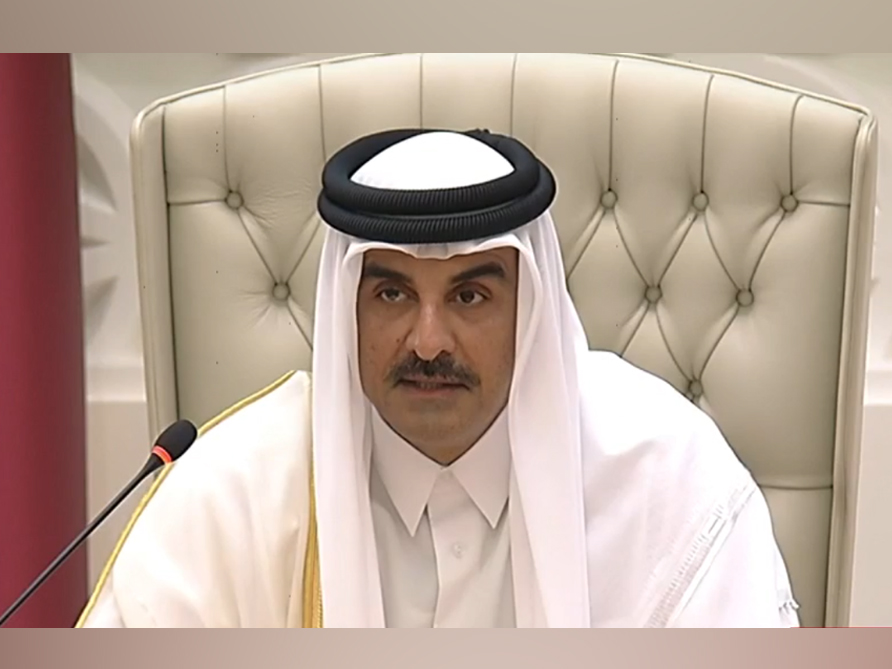
On October 13, 2026, the State of Qatar marked a significant milestone as the Amir, HH Sheikh Tamim bin Hamad Al-Thani, inaugurated the 55th annual session of the Shura Council. This legislative body, which serves as the country’s consultative assembly, gathered for its second ordinary session of the second legislative term. For the nation, this is more than a procedural opening; it is a vital national occasion. It provides a structured space to review the country’s journey, take stock of recent achievements, and confront the pressing challenges currently facing the state. In a statement shared on his official X account that same day, the Amir underscored the gravity of the event, framing it as a moment to reaffirm the country’s trajectory.

Qatar’s path forward is defined by a clear-eyed assessment of its economic standing. The nation has faced significant headwinds, most notably the closure of the Strait of Hormuz and infrastructure damage at Ras Laffan, a critical hub for the country’s energy exports. These disruptions have had a tangible impact, with total revenues declining by 42% during the first half of the year. Yet, despite these pressures, the state’s economic fundamentals have shown remarkable durability. In 2025, Qatar achieved a real growth rate of 2.9%, while maintaining an inflation rate of just 0.5%. These figures suggest an economy that, while buffeted by external shocks, retains a core capacity for stability.
To navigate this period of instability, the Amir outlined a comprehensive four-pillar strategy. At its heart is the defense of the homeland and the protection of national sovereignty. Simultaneously, the state is prioritizing the maintenance of essential supply chains, ensuring that the flow of goods and energy remains uninterrupted. Given that Qatar accounts for nearly one-fifth of the world’s liquefied natural gas trade, its role in global energy security is a responsibility the leadership takes seriously. Beyond these domestic and economic imperatives, the strategy emphasizes a commitment to international stability, specifically through the support of ceasefire efforts and the persistent encouragement of negotiation as the primary tool for conflict resolution.
Second is the fulfillment of its role in energy security and the broader global economy, a task that has become increasingly complex amid regional disruptions.
During his address, the Amir articulated three concurrent responsibilities that now guide the state’s decision-making. First is the protection of sovereignty, which remains the non-negotiable foundation of the Qatari state. Second is the fulfillment of its role in energy security and the broader global economy, a task that has become increasingly complex amid regional disruptions. Third is the maintenance of diplomatic openness. By keeping the doors of diplomacy open, Qatar aims to navigate the current climate not through isolation, but through active engagement with regional and international partners.

Resilience isn't born in the moment of crisis; rather, it is the result of the planning that precedes it, said the Amir HH Sheikh Tamim bin Hamad Al-Thani during the inauguration of the 55th annual session of the Shura Council. Read more: https://t.co/hZ4kanavq8 https://t.co/7qV6bGhYMV
Despite the decline in revenues, the Amir was clear that the state will not compromise on its essential services or its developmental priorities. The leadership’s approach is fundamentally rooted in a long-term investment in the population. This philosophy holds that the determination to build the nation and safeguard the gains of its people is steadfast and unbreakable. By focusing on human capital and national development, the state aims to insulate its long-term goals from the volatility of short-term regional crises.
As the Shura Council begins its work for the year, the prevailing sentiment from the leadership is one of confidence. The Amir emphasized that Qatar looks toward the future with an unwavering will to build the nation. While the challenges are undeniable, the state’s strategy is designed to foster adaptability. The goal is not merely to endure the current crisis but to emerge from it more resilient and better equipped to navigate the shifting currents of global change. By adhering to a firm approach of dialogue, diplomatic solutions, and internal investment, Qatar is positioning itself to remain a stable and influential actor in the region.