
Imagine a thief who doesn’t pick a lock but simply asks a trusted servant to hand over the master’s keys, then use them to access the vault. This was the chilling logic behind the cyberattack on Crédit Mutuel Arkéa, one of France’s largest savings banks. The incident, which unfolded recently, didn’t just cost the bank 118 million euros; it revealed a vulnerability so deep that it forced a re-evaluation of how banks protect themselves in the digital age. The money didn’t vanish into thin air. It was methodically converted into cryptocurrency and transferred to multiple accounts, a digital breadcrumb trail that sent shockwaves through the financial world.
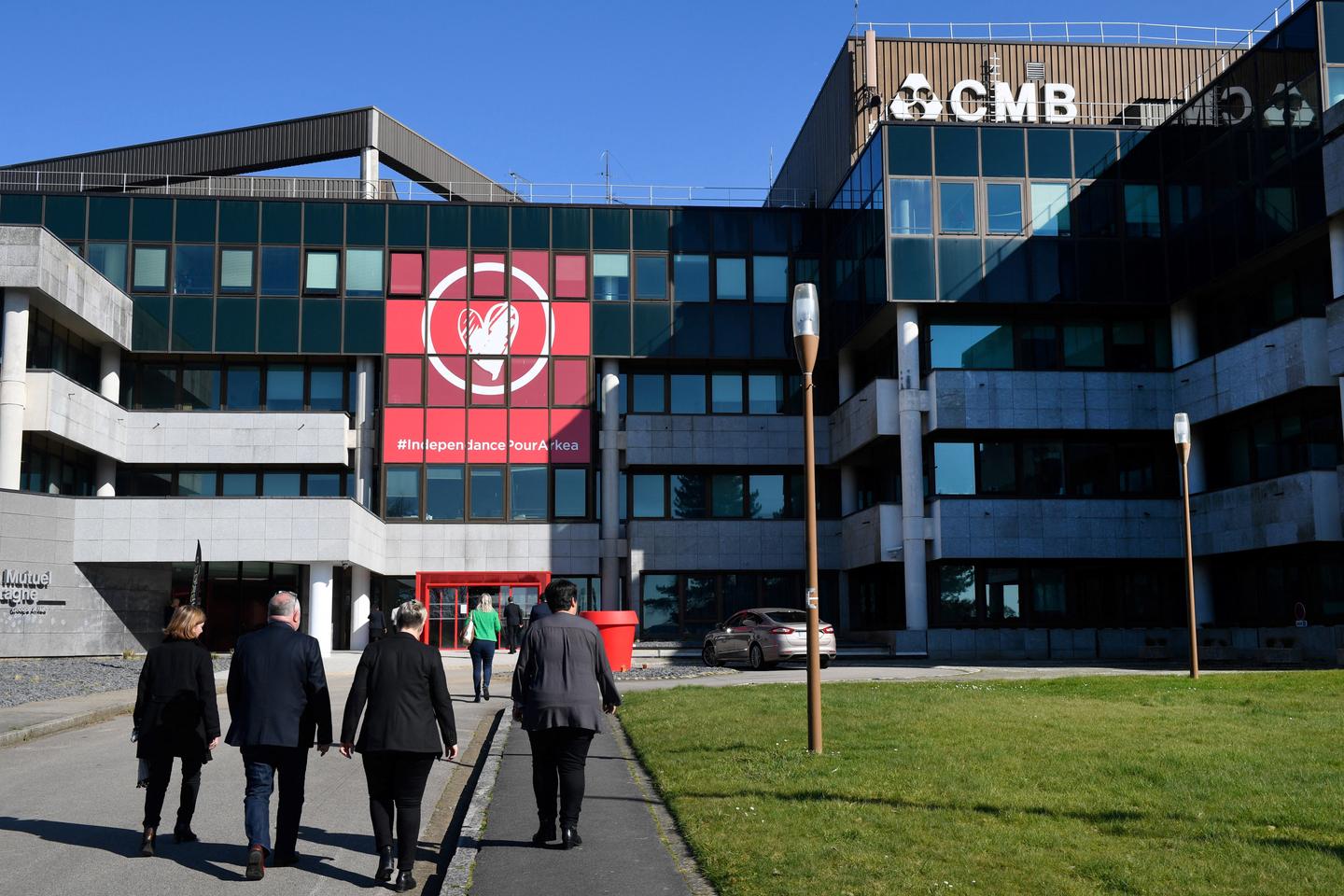
The attack was audacious because of its insider-like nature. The attackers didn’t breach the bank’s firewalls with a single, dramatic smash. Instead, they used the bank’s own accounts to transfer funds to other financial institutions. They exploited the trusted pathways of the banking system to move money, converting the 118 million euros into digital assets. This method highlights a troubling shift in cyber threats. The enemy is no longer just outside the gate; it can sometimes operate from within, using the system’s own rules against it. For a bank holding 10 billion euros in total funds, the theft of 118 million is a significant wound, but the psychological impact was even greater. It suggests that the system’s trusted conduits are now potential attack vectors.
Crédit Mutuel Arkéa moved with speed, not just to trace the money, but to stop any further exfiltration. The bank immediately suspended certain transactions as a precautionary measure. This is the digital equivalent of freezing a credit card after a loss: it’s a blunt, painful, but necessary tool. By halting specific operations, the bank created a firewall against further fraudulent activity. The goal was to secure the remaining assets and contain the breach. For a institution that operates on trust, the suspension of transactions was a public display of caution, but a controlled one. It signaled to the market and the public that the situation was serious enough to warrant extreme caution, even at the cost of operational friction. This pause in business gave the security team time to analyze the attack’s vector and isolate the compromised points.
For a savings bank, where the relationship is fundamentally about personal trust, this assurance was essential.
Perhaps the most critical part of the bank’s response was its message to the public: the incident had no financial consequences for them. Crédit Mutuel Arkéa confirmed that client interests are fully protected. This is a standard, but vital, promise. It meant that the 118 million euros lost was a corporate loss, not a customer one. The bank bore the burden. For a savings bank, where the relationship is fundamentally about personal trust, this assurance was essential. It prevented a run on the bank’s physical locations or a mass withdrawal of digital funds. The bank had to perform a delicate balancing act: showing transparency about the security breach while maintaining absolute confidence in its solvency and its ability to protect every depositor’s cent.
The money did not stay in the bank. It was converted to cryptocurrency, a move that made it both harder to recover and more visible. The transfer to Kraken, a prominent cryptocurrency exchange, created a digital signature. While cryptocurrencies are often seen as anonymous, large-scale transactions leave traces on the blockchain. The conversion of 118 million euros into digital currency was a high-visibility act. It’s a cat-and-mouse game. The attackers want to break the money into smaller, untraceable pieces. The bank and authorities want to follow the trail before it dissolves. The fact that the funds were sent to multiple accounts suggests a sophisticated effort to launder the proceeds, making the recovery a complex, international puzzle.
The attack on Crédit Mutuel Arkéa is part of a growing pattern of cyber threats facing financial institutions. This incident underscores the increasing vulnerability of banks to cyber threats and reveals the depth of the problem. The use of the bank’s own accounts to move funds is a tactic that could be replicated anywhere. It forced regulators and security experts to ask a hard question: how many more “trusted” pathways exist in the global financial system that a determined attacker could exploit? The response had to be more than just patching one bank; it had to be a re-engineering of the system’s trust model.
In the aftermath, Crédit Mutuel Arkéa stated the incident was under control. But “under control” is a relative term in the world of cybercrime. The damage is done; the money is gone. The real control is the prevention of future attacks. The bank’s precautionary measures were a first step, but the long-term answer lies in a fundamentally different approach to security. It means less reliance on static defenses and more on dynamic, adaptive systems that can detect and neutralize threats in real-time. It also means a new level of collab
