
For millions of people across India, the arrival of Deepavali—the festival of lights—is not merely a time for celebration; it is a time for homecoming. As families prepare to gather, the pressure on public infrastructure intensifies, turning transit hubs into the beating heart of the holiday experience. This year, the Karnataka State Road Transport Corporation (KSRTC) has recognized the scale of this annual migration, responding with a logistical mobilization designed to bridge the distance between urban centers and the towns where families reunite. The corporation has officially announced the deployment of 2,600 additional buses, a significant expansion of service aimed at smoothing the flow of passengers across Karnataka and into neighboring states.
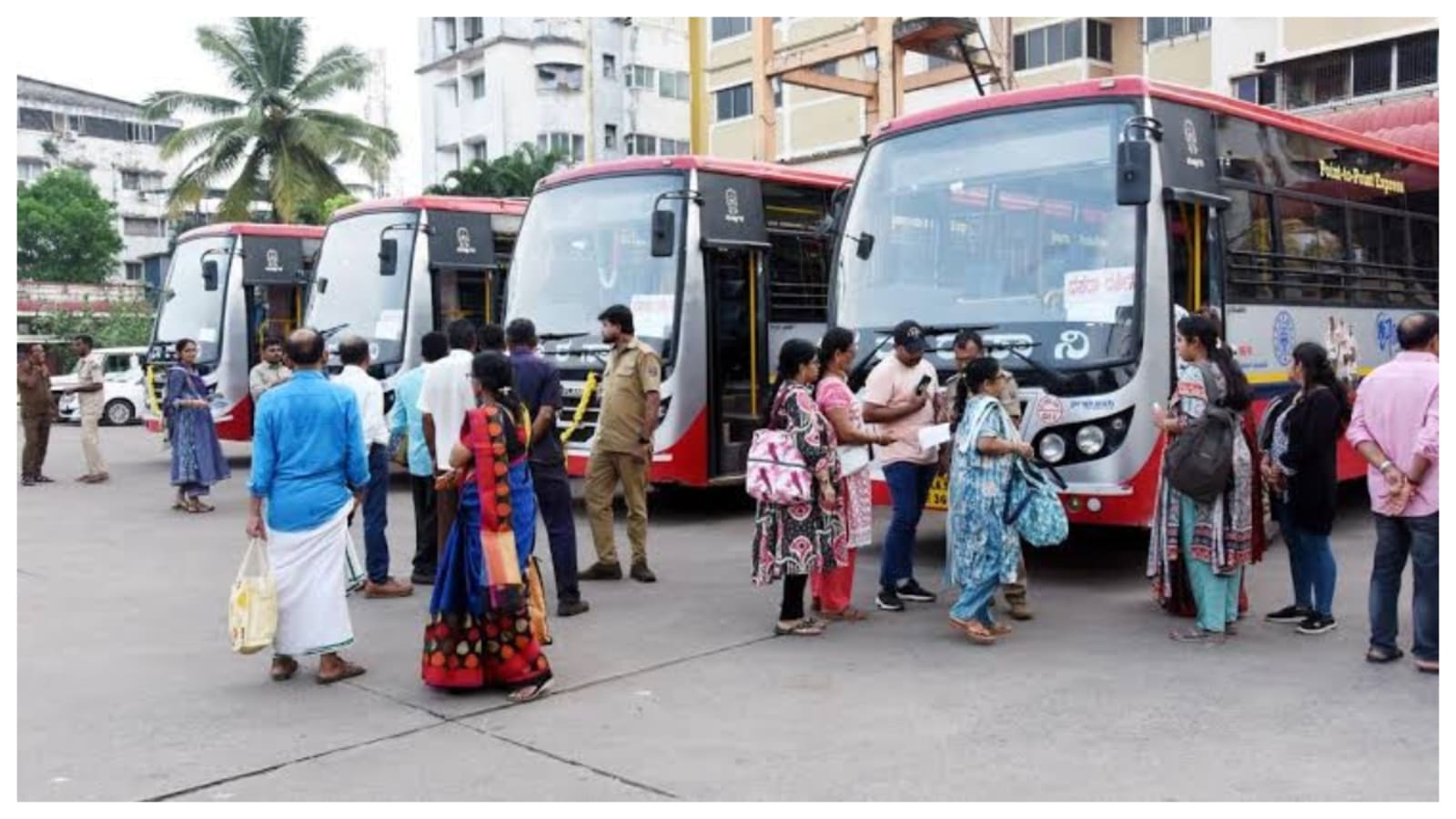
The logistical engine behind this effort began its formal activation on October 31. On that evening, starting at 8 PM, the KSRTC initiated the rollout of these extra services, signaling the commencement of a high-intensity period for the state’s transport network. By flooding the system with additional capacity, the corporation is attempting to address the inevitable bottleneck that occurs when holiday demand far outstrips standard daily operations. This move is a recognition of the sheer volume of travelers who rely on the state-run bus network as their primary lifeline for long-distance travel during the festive season.
The scope of the operation extends well beyond the immediate vicinity of Bengaluru. While the capital city serves as a primary launchpad for these services, the network is designed to reach deep into the state’s interior and across its borders. The 2,600 buses are tasked with creating a web of connectivity that links major metropolitan hubs with smaller towns and regional centers. This strategic deployment is intended to ensure that travelers—whether they are students, professionals, or families—have a reliable path home, even as the demand for seats reaches its peak. By providing these special services from various bus stands and terminals, the KSRTC is effectively decentralizing the travel experience, spreading the load across multiple departure points to prevent the kind of terminal congestion that often plagues holiday travel.
The 2,600 buses are tasked with creating a web of connectivity that links major metropolitan hubs with smaller towns and regional centers.
The logistical challenge does not end with the initial launch. The KSRTC has structured its deployment to cover the most critical window of the Deepavali holiday, with operations set to continue through November 6th to 8th. This period represents the peak of the travel cycle, encompassing both the outbound journey for the festival and the subsequent return trips. By maintaining this elevated level of service for several days, the corporation is aiming to provide a buffer for passengers, allowing for more flexible travel schedules during a time when tickets are notoriously difficult to secure. As the buses traverse the roads of Karnataka and beyond, they represent a vital component of the social fabric, facilitating the movement of people who are determined to be home for the lights of Deepavali.