
For millions of Karnataka residents, the coming festival season will carry an unexpected financial burden. The state government has approved a significant increase in electricity tariffs, raising rates by 40-50 paise per unit. This decision, made after receiving approval from the Karnataka Electricity Regulatory Commission, comes at an inopportune time—just as families prepare for Vijayadashami and Diwali celebrations when electricity consumption typically surges.
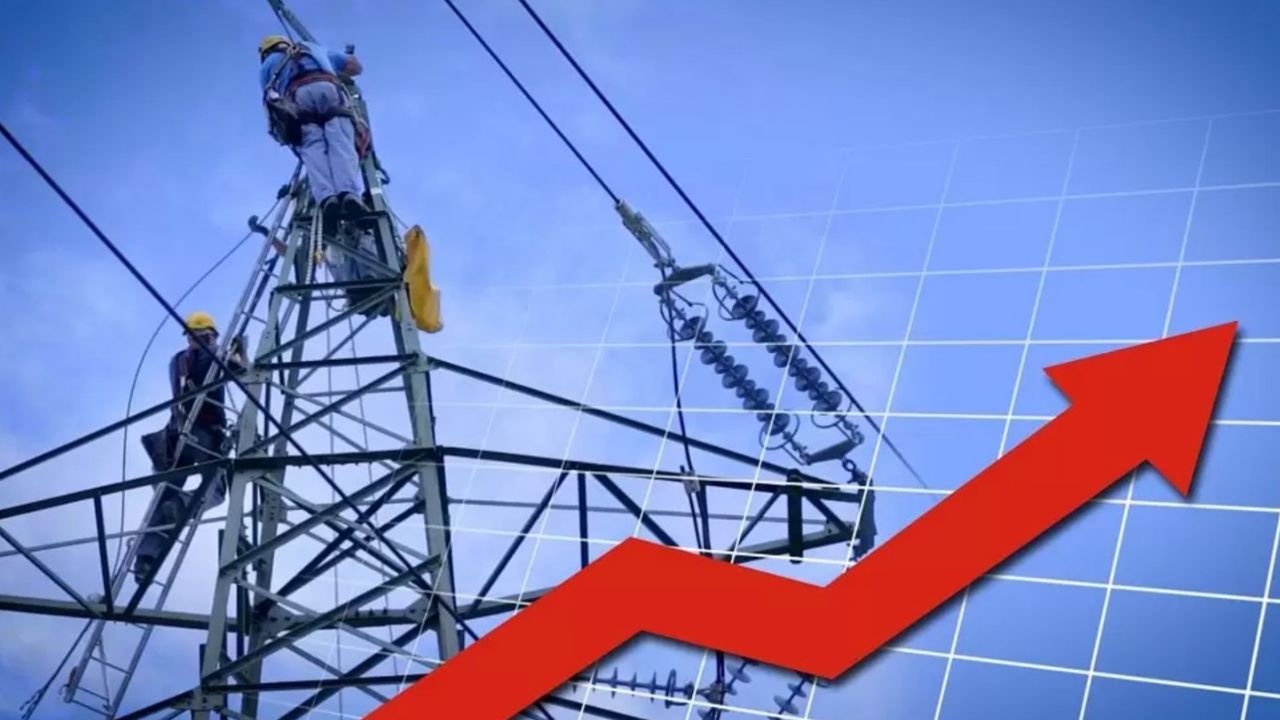
The tariff hike is part of the 'Household Light' scheme, a policy framework designed to address the state's severe power crisis. While the government frames this as a necessary measure to stabilize the power sector, consumers face the immediate reality of higher monthly bills. The increase affects both residential and commercial users, meaning the financial impact will be felt across nearly every sector of Karnataka's economy.
The Karnataka Electricity Regulatory Commission's approval lends official weight to this controversial decision. Regulatory bodies like this one play a crucial role in balancing the financial needs of utility providers with the economic realities of consumers. Their involvement suggests that the government's proposal underwent technical and financial scrutiny before implementation.
The combination of increased electricity costs with typical festival-related expenses creates a double financial pressure for households.
The timing of this announcement—October 20, 2026—places it squarely in the period when many Karnataka families are already making financial preparations for the upcoming festivals. The combination of increased electricity costs with typical festival-related expenses creates a double financial pressure for households. For small businesses that rely on electricity for operations, the timing presents particular challenges as they prepare for what should be a busy retail season.
Behind the scenes, this tariff increase reflects deeper systemic challenges in Karnataka's power sector. The state has been grappling with a severe power crisis that has threatened both supply reliability and financial sustainability of the electricity distribution system. When power generation costs exceed revenue from existing tariffs, utilities face mounting debts that can eventually compromise service quality.
The 'Household Light' scheme represents an attempt to address these structural issues. By increasing revenue through tariff adjustments, the government aims to create a more stable financial foundation for the electricity sector. Whether this approach will prove sufficient to resolve the underlying power crisis remains to be seen, but for now, consumers are left to absorb the immediate cost of this policy shift.
The 40-50 paise per unit increase may seem modest on paper, but when multiplied across millions of consumers and applied during a period of heightened usage, it represents a substantial collective financial impact. As Karnataka families adjust their budgets to accommodate this change, the true weight of this decision will become apparent in the coming months.