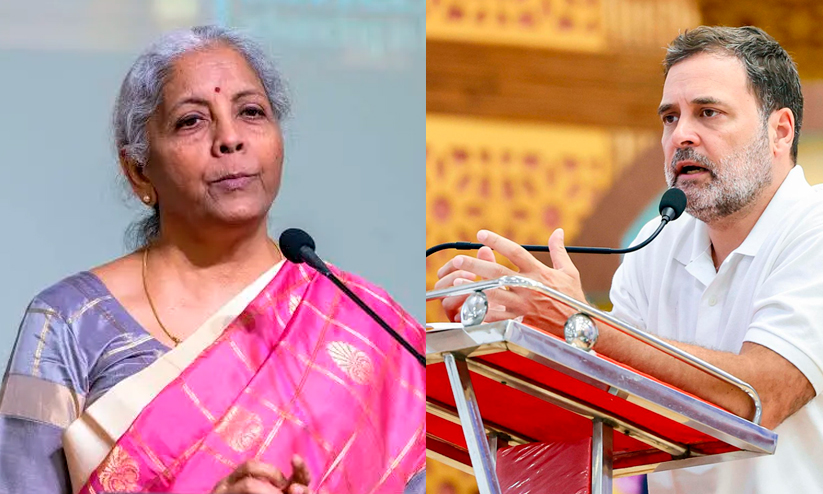
In the hallowed halls of India's most storied business empire, a silence has fallen—one that Opposition Leader Rahul Gandhi claims speaks volumes. On October 28, 2026, Gandhi stood before the Lok Sabha and delivered a stark warning: "Tata is being criminally destroyed, and no business leader dares say a word. How long will you stay silent?" The accusation wasn't just about one company; it was a challenge to India's entire business community to break ranks with a government they increasingly fear.

The Tata Group, a prominent business conglomerate, faces significant challenges under the current administration. Gandhi's remarks suggest that the company is experiencing unprecedented pressure. The specific pressures remain unclear in the public record, but the allegation of "criminal destruction" signals a belief that the company's foundations are being systematically undermined.

Political row over Tata battle: Rahul Gandhi attacks Modi Govt, Nirmala Sitharaman hits back Tune in to the report for more details #RahulGandhi #NirmalaSitharaman #Tata #NewsToday | @sardesairajdeep https://t.co/yppRMQ83HU
The exchange between Gandhi and Finance Minister Nirmala Sitharaman represents more than just a disagreement over corporate policy—it's a fundamental clash of ideologies about India's economic future. Gandhi's accusation that the government is treating Indian businesses as its 'plaything' taps into long-standing concerns about political interference in commercial matters. This isn't the first time such tensions have emerged, but the public nature of this particular dispute has drawn attention to the delicate relationship between politics and big business in India.
Our policies have been tailored to enable enterprise, support industry and encourage investment.
Within hours of Gandhi's remarks, Sitharaman mounted a vigorous defense of the government's approach to business. "You have repeatedly decried the successes of Indian industry & our entrepreneurs," she shot back, directly challenging Gandhi's credibility on economic matters. "Now, are you trying to incite our business leaders to join you in spreading distrust & toxicity?"
The Finance Minister didn't stop there, reaching back into history to draw a contrast between past and present economic policies. "For decades, your party had smothered the spirit of the Indian entrepreneurs under the stifling 'License-Quota Raj' & inflicted poverty on crores of Indians," she declared. "On the other hand, our government, led by PM Narendra Modi, values the Indian industry as a job creator & driver of economic growth. Our policies have been tailored to enable enterprise, support industry and encourage investment."

Being the LoP @RahulGandhi, I suggest you refrain from politicising every issue. Also, casually labelling commercial and legal matters as criminal is unacceptable. You have repeatedly decried the successes of Indian industry & our entrepreneurs. Now, are you trying to incite our business leaders to join you in spreading distrust & toxicity? For decades, your party had smothered the spirit of the Indian entrepreneurs under the stifling ‘Licence-Quota Raj’ & inflicted poverty on crores of Indians. On the other hand, our government led by PM @narendramodi values the Indian industry as job creators & drivers of economic growth. Our policies have been tailored to enable enterprise, support industry and encourage investment. Political parties, leaders, governments and institutions share an equal responsibility to support our industry, strengthen our farmers and secure the future of our youth. Therefore, it is essential to engage constructively rather than casting baseless aspersions to suit your narrow political motives. The Constitution of India ensures justice to all its citizens & our Honourable Courts are entrusted with upholding it. History is witness to the shoddy manner in which you, your party and the PMs belonging to your party have demeaned the judiciary. So Rahul ji, refrain from seeing ghosts everywhere.
What makes this dispute particularly noteworthy is its impact within the Tata Group itself. According to reports, the controversy has split the company's trustees and spilled into boardroom deliberations—a remarkable development given the traditionally apolitical stance of India's largest business conglomerate. The public airing of grievances suggests that even the most insulated corporate institutions are not immune to the polarizing effects of contemporary Indian politics.
As the war of words intensified, Sitharaman attempted to reset the terms of the debate. "Refrain from politicising every issue," she urged. "Also, casually labelling commercial and legal matters as criminal is unacceptable." She went on to call for a more constructive approach to governance: "Political parties, leaders, governments and institutions share an equal responsibility to support our industry, strengthen our farmers and secure the future of our youth. Therefore, it is essential to engage constructively rather than casting baseless aspersions to suit your narrow political motives."
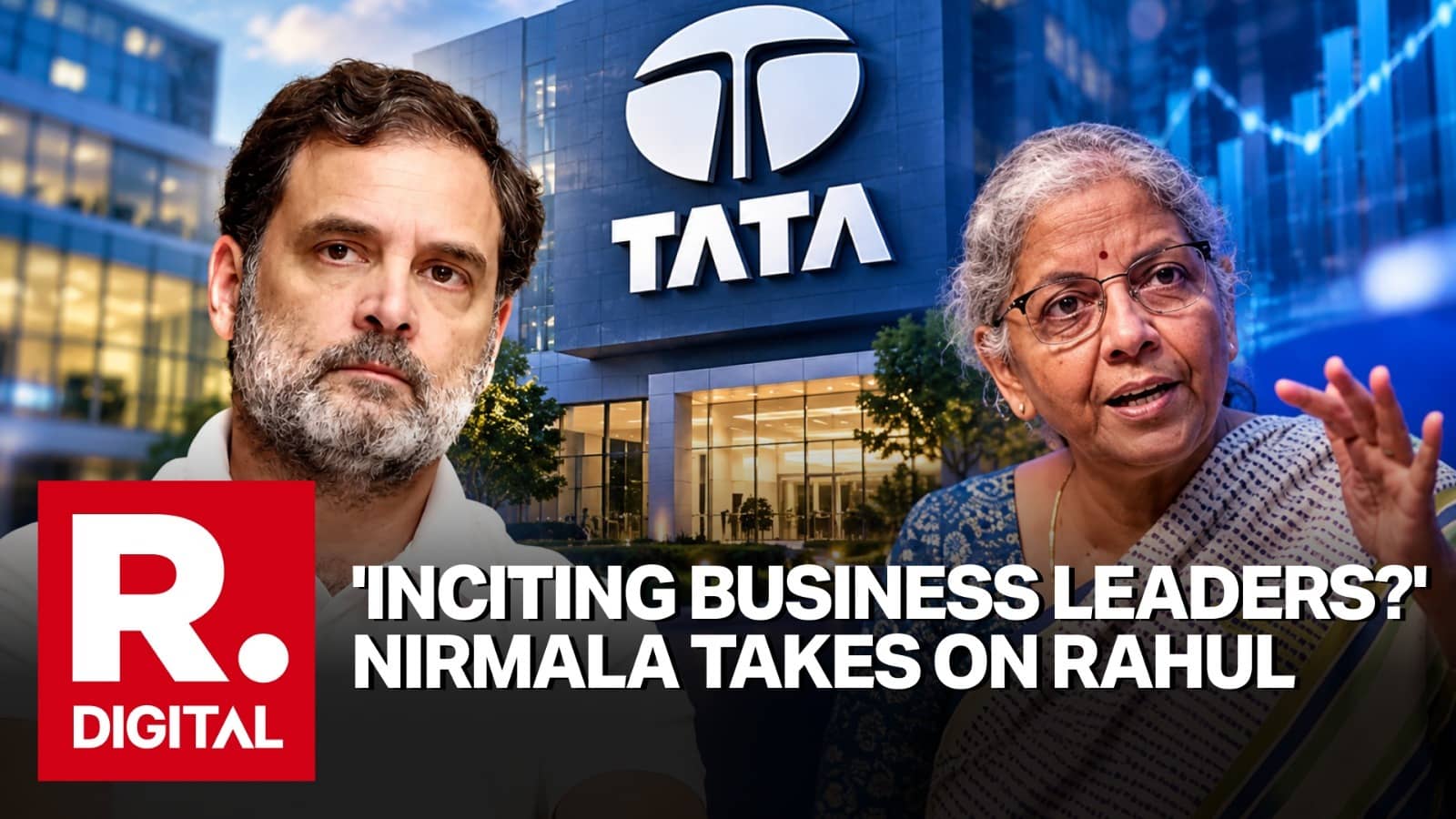

Political row over Tata Group: Rahul Gandhi accuses the government of interference, while FM Nirmala Sitharaman hits back, urging the Lok Sabha Leader of Opposition not to casually brand commercial and legal matters as criminal @priyadarshi108 is here with the details https://t.co/63H3yTQ3tX
As the dust settles on this latest political confrontation, one question lingers: What happens when the line between legitimate policy critique and political opportunism becomes blurred? For India's business community, the answer may determine whether they can continue to operate in an environment that values both enterprise and political independence—or whether they must eventually choose sides in an increasingly polarized climate.