On October 29, 2026, the quiet mechanics of an electoral cycle were abruptly interrupted by the heavy hand of federal oversight. The Justice Department, signaling a significant escalation in its ongoing criminal investigation into Alaska’s Senate race, issued a new wave of subpoenas. This development marks a pivotal moment in a probe that has moved from the periphery of political discourse to the center of a potential legal firestorm. According to a Justice Department official who briefed reporters on the same day, there had been a "significant increase in activity" surrounding the Alaska race over the previous 24 hours, a timeline that underscores the urgency with which federal investigators are now treating the matter.

At the heart of this investigation lies a complex set of claims regarding the recruitment of Daniel J. Sullivan to appear on the Alaska ballot. Federal prosecutors are currently examining whether these efforts constituted a conspiracy to undermine the integrity of the electoral process. The probe is not merely a procedural review; it is a focused inquiry into the actions of several Democratic officials believed to be tied to the recruitment effort. By targeting these individuals, the Department of Justice is signaling that it intends to determine whether the pursuit of political advantage crossed the line into criminal conduct.

DOJ issues new subpoenas in Alaska Senate probe, asks judge to intervene over "conspiracy" involving 2 Dan Sullivans https://t.co/MyikidZGuP
The impetus for this heightened federal attention can be traced, in part, to a report published by The New York Times on October 29, 2026. The article provided a granular look at the internal communications that allegedly fueled the recruitment efforts. By detailing internal emails and text messages from individuals with knowledge of the situation, the report offered a window into the private deliberations that have now become the subject of public scrutiny. These communications are central to the government’s efforts to piece together the intent and coordination behind Sullivan’s presence on the ballot.
While no formal charges have been filed as of October 29, 2026, the legal framework being utilized by the Department of Justice is formidable.
While no formal charges have been filed as of October 29, 2026, the legal framework being utilized by the Department of Justice is formidable. Investigators are exploring the potential application of civil rights statutes, specifically 18 U.S.C. Sections 241 and 242. These statutes are frequently invoked in cases involving the deprivation of rights under color of law, and their presence in this investigation suggests that prosecutors are viewing the alleged recruitment not just as a political maneuver, but as a potential violation of the fundamental rights of voters. To build this case, the government is utilizing a full suite of investigative tools, including preservation requests, search warrants, and grand jury subpoenas.
The DOJ’s actions extend beyond criminal inquiries into the realm of civil litigation. On October 29, 2026, the Department amended a civil lawsuit with the explicit goal of blocking the certification of election results should voter confusion be proven to have occurred. This move represents a significant intervention in the state's electoral process, reflecting the government's concern that the integrity of the vote itself may have been compromised by the alleged recruitment scheme. By seeking to halt certification, the Justice Department is attempting to ensure that the finality of the election is not established until the legal questions surrounding the ballot are resolved.
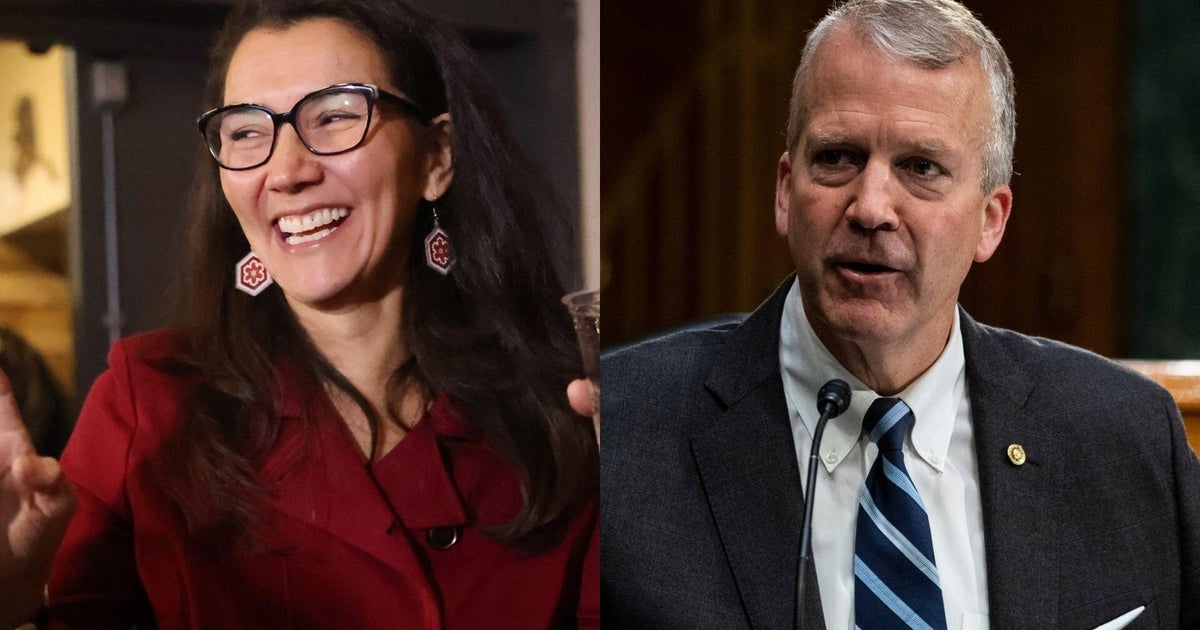
In the face of these allegations, the political entities named in connection with the recruitment efforts have maintained a stance of firm denial. Both the campaign of Mary Peltola and the Democratic Senatorial Campaign Committee have explicitly denied any connection to the effort to put Daniel J. Sullivan on the ballot. These denials are a critical component of the unfolding narrative, as they set the stage for a protracted legal and political battle over the veracity of the claims and the extent of institutional involvement.

DOJ contends Democrats misled court on Alaska Senate race https://t.co/qKLVG74OBL
As of late October 2026, the situation remains fluid. The Justice Department’s aggressive use of subpoenas and its willingness to intervene in the certification process demonstrate a commitment to uncovering the truth behind the Alaska Senate race. For the voters of Alaska and the broader political landscape, the coming days will likely determine whether these allegations of a conspiracy to undermine electoral integrity will result in criminal charges or remain a subject of intense, unresolved legal debate. The investigation continues to evolve, leaving the ultimate outcome of the Senate race in a state of profound uncertainty.
