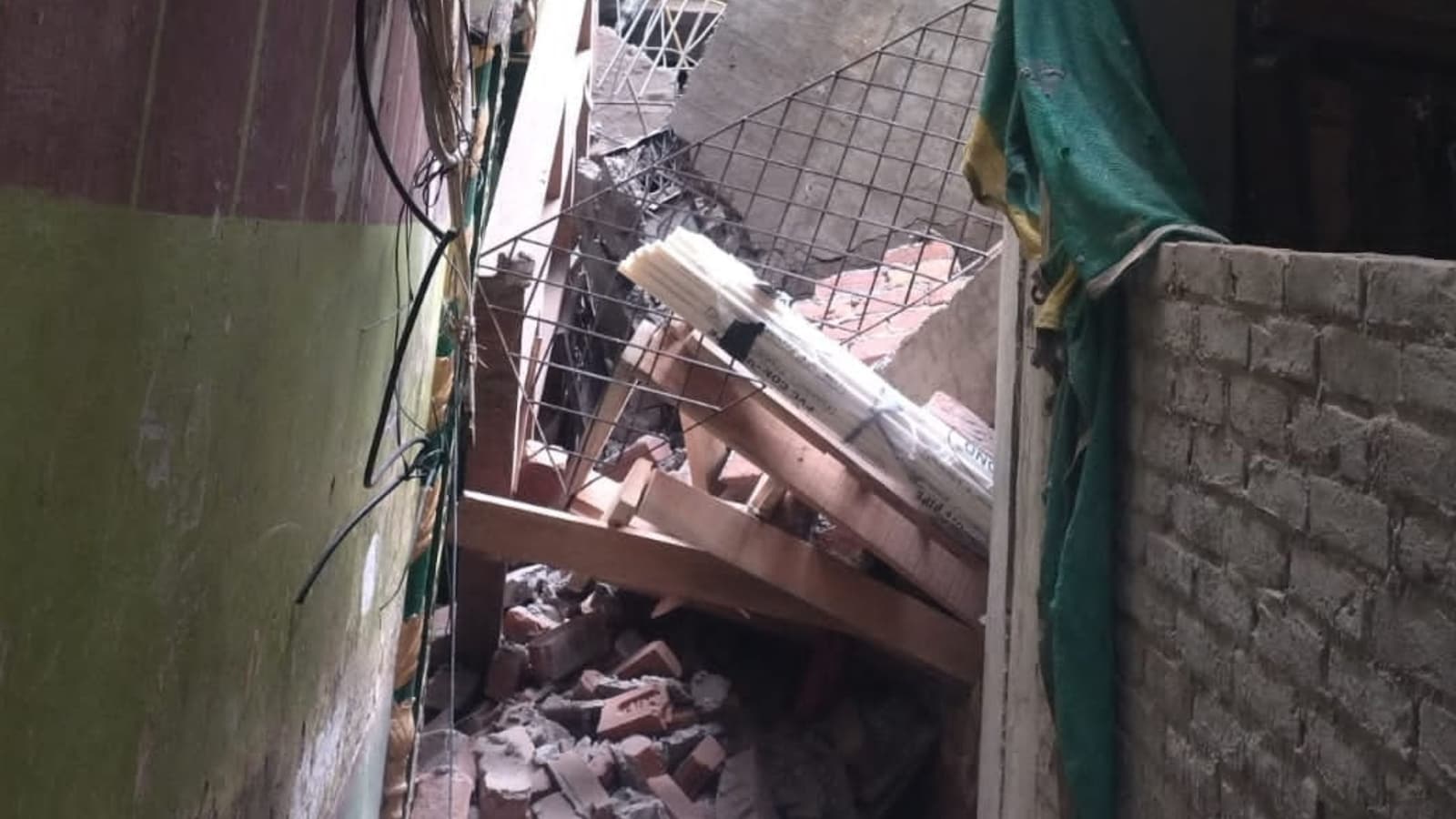
In the labyrinthine heart of Old Delhi, where the streets are often no wider than a person's reach, the morning of September 6, 2026, began with the sudden, violent sound of structural failure. At approximately 9:50 am, a three-storey building in Chawri Bazaar, a bustling commercial hub, succumbed to gravity. The collapse was not a slow decay but a sudden event that transformed a site of active construction into a scene of immediate devastation.
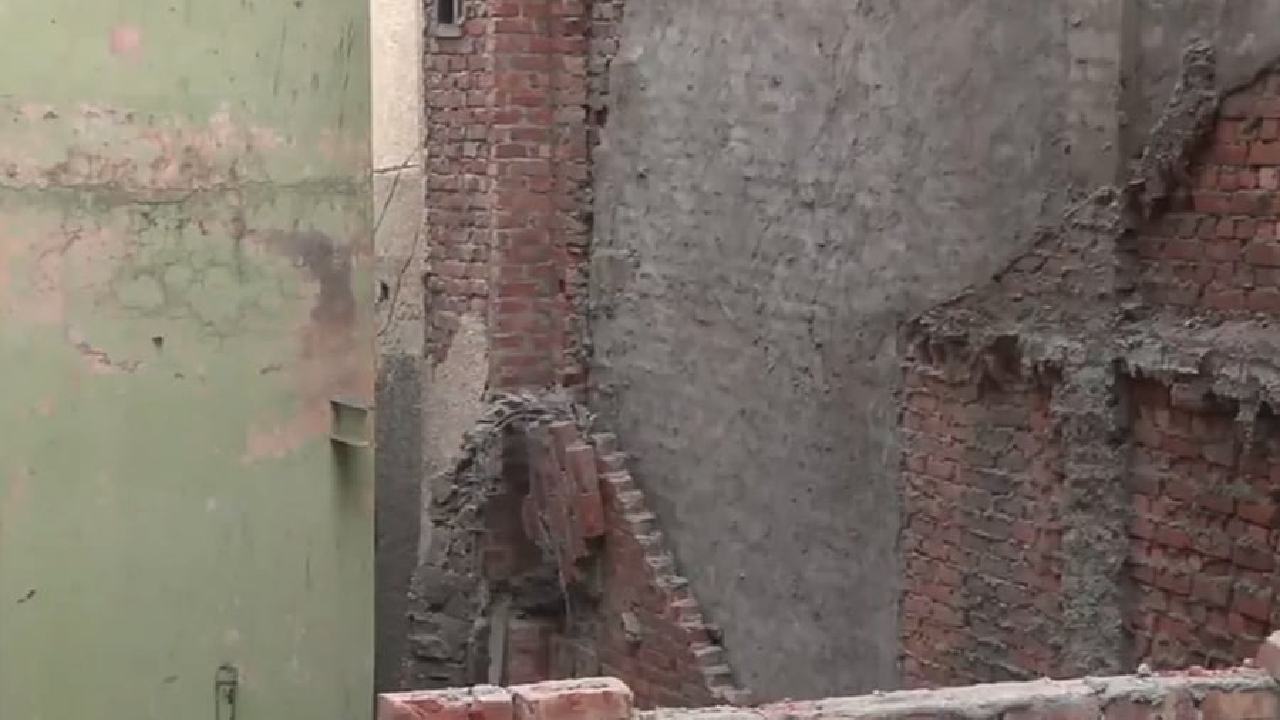
The impact of the collapse was swift and lethal. As the floors pancaked upon one another, the debris claimed two lives. Beyond the immediate fatalities, the structural failure left one person injured and sparked a desperate race against time. In the chaotic aftermath, the primary concern shifted from the dust settling over the ruins to the terrifying possibility of others still caught beneath the weight of concrete and rebar. The narrowness of the Chawri Bazaar lanes, while a hallmark of the district's historic character, presented an immediate obstacle to the arrival of help.
As the scale of the disaster became clear, the machinery of emergency response moved into the district. Six fire units rushed to the spot to assist in the burgeoning crisis. Amidst the wreckage, the National Disaster Response Force (NDRF) arrived to lead the search and rescue efforts. Their task was a delicate one: navigating the unstable remains of a building that was still in its construction phase, searching for any signs of life among the trapped.
The incident at Chawri Bazaar is not merely an isolated accident but a symptom of a broader, systemic tension within Delhi's urban landscape.
The incident at Chawri Bazaar is not merely an isolated accident but a symptom of a broader, systemic tension within Delhi's urban landscape. The building in question was under construction at the time of its failure, a detail that brings the inherent risks of urban expansion into sharp focus. In densely populated areas like Old Delhi, where every square inch of space is contested, the process of building upward often occurs in environments that are ill-equipped to handle the logistical and structural demands of heavy construction.
Chawri Bazaar serves as a microcosm for the safety concerns that haunt many of the city's under-construction sites. When construction occurs within these narrow, historic corridors, the margin for error vanishes. The physical constraints of the location mean that any structural instability is magnified, and any emergency response is slowed by the very geography that makes the area so vibrant. The collapse highlights a recurring theme in the city's growth: the struggle to balance the necessity of new development with the fundamental requirement of structural safety.
As the NDRF continues its search and the dust of the collapse begins to settle, the community is left to grapple with the reality of the loss. The two lives taken on that September morning serve as a grim reminder of the stakes involved in the city's constant state of renewal. While rescue operations remain the priority, the event has reignited a necessary conversation regarding the oversight and safety protocols governing construction in the most crowded corners of New Delhi.