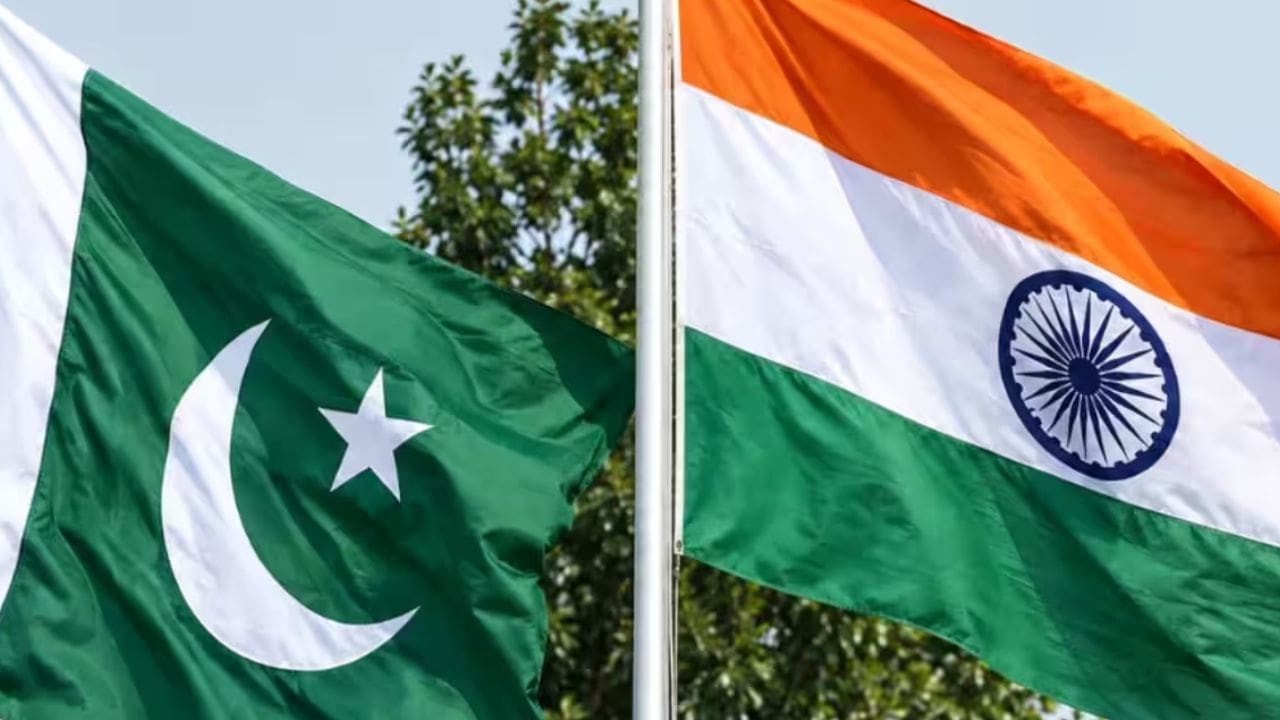
In the complex, often frost-bitten landscape of South Asian diplomacy, invitations are rarely just about the event at hand. They are signals, carefully calibrated gestures sent across borders that have long been defined by tension. This is the current reality in New Delhi, where the Indian government has extended an invitation to Pakistan that carries the weight of years of diplomatic silence. The target of this outreach is Aurangzeb Khan Khichi, Pakistan's National Heritage and Culture Minister, who has been asked to participate in the inaugural Civilisational Dialogue Forum.

To understand the gravity of this moment, one must look at the calendar. For two nations whose relationship has remained deeply strained, the movement of high-ranking officials across the border is not a routine administrative task; it is a significant departure from the status quo. While the invitation has been extended, the world now waits to see if Khichi will accept, a decision that could determine whether this moment is a genuine step toward engagement or merely a formal gesture in a continuing stalemate.
At the heart of this diplomatic maneuver is the Shanghai Cooperation Organisation (SCO), a regional intergovernmental organization that provides a unique, multilateral stage for these interactions. While bilateral relations between New Delhi and Islamabad often stall, the SCO framework offers a different kind of theater—one where shared interests can sometimes bypass direct political friction.
This is not the first time that cultural and regional forums have been used to test the waters of engagement.
The upcoming forum, scheduled to take place from November 20-22, 2025, is designed to leverage this framework. Unlike traditional security summits that focus on borders and defense, the Civilisational Dialogue Forum is aimed at uniting member countries through the softer, more enduring threads of cultural and historical connections. It is an attempt to find common ground in the shared heritage that predates modern political divisions, using history as a tool for cooperation rather than a source of contention.
The setting for such a delicate dialogue is as significant as the participants themselves. The forum is slated to be held in a historic Mughal-era fort in Delhi, a location that serves as a living testament to the very civilizations the participants seek to discuss. In a city where every stone tells a story of empire, conquest, and coexistence, the choice of venue is deliberate.
By hosting the event within the walls of a Mughal-era structure, the organizers are grounding the political discussions in a physical reality of shared pasts. It is a setting that reminds attendees of the deep, intertwined roots of the region, providing a backdrop that is both grand and evocative.
This is not the first time that cultural and regional forums have been used to test the waters of engagement. In the past, such forums have been used to facilitate contact. The recent focus on the Civilisational Dialogue Forum seeks to navigate the complexities of regional relations during a period of strain by emphasizing shared cultural heritage.
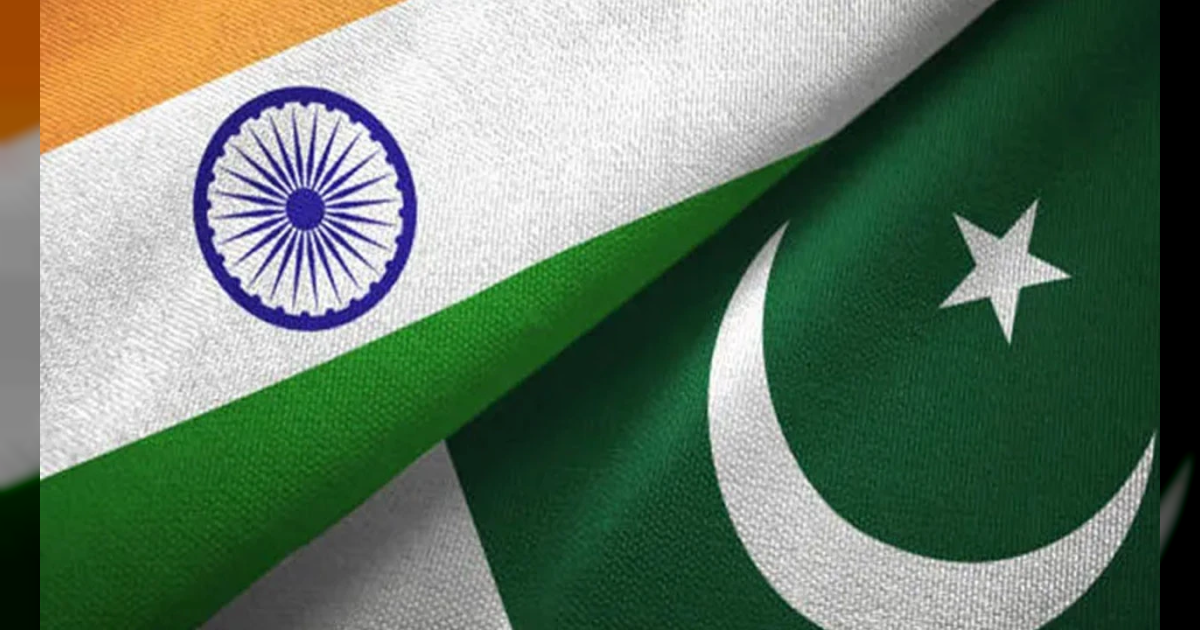
These moments of engagement, though often fleeting, serve as vital pressure valves. They allow for a form of communication that does not require the immediate resolution of deep-seated political grievances, but rather focuses on the functional aspects of regional cooperation. Whether it is through the SCO or other regional bodies, the goal remains the same: to maintain a channel of dialogue even when the primary bilateral relationship is at a standstill.
As the date of the inaugural SCO Civilisational Dialogue Forum approaches, the central question remains unanswered: will Pakistan respond? The invitation to Aurangzeb Khan Khichi sits in a state of diplomatic limbo. No confirmation has been received, and the silence is as telling as any official statement might be.
If Khichi attends, it will mark a notable shift in the frequency of ministerial-level contact between the two neighbors. It would suggest that, at least within the specific confines of cultural heritage and the SCO framework, there is a willingness to engage. If the invitation goes unaccepted, the forum will proceed as a significant cultural event, but one that underscores the persistent barriers that continue to define the relationship between India and Pakistan.