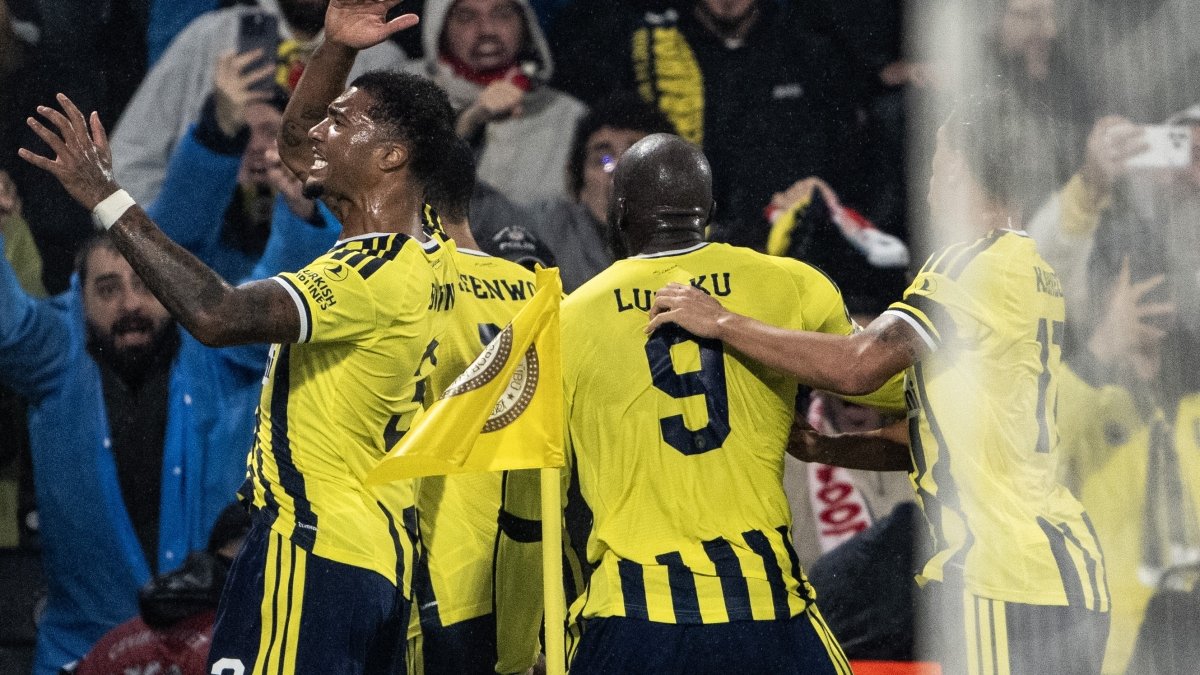
When the lights flickered on at the Şükrü Saracoğlu Sports Complex on October 4, 2026, few could have predicted the seismic shift about to unfold. Fenerbahçe, a club whose last Champions League victory over an English side dated back 18 years, were set to host Liverpool—a team accustomed to navigating the competition’s later stages. The stage was set for a classic underdog narrative, but the Turkish side had a different script in mind.

The opening minutes were a study in tension. Liverpool, eager to assert their pedigree, pressed high, but Fenerbahçe’s disciplined backline held firm. The deadlock finally broke in the 25th minute when Liverpool’s forward Trey Nyoni found the net, silencing the home crowd and giving the English side a fleeting lead. The goal, however, was a prelude rather than a proclamation; it underscored the fine margins that would define the match.
Just four minutes later, the balance tipped. Fenerbahçe’s Mason Greenwood surged forward, capitalising on a swift transition to slot home the equaliser in the 29th minute. The roar that followed was more than a celebration of a goal; it was a collective exhalation, a reminder that the 18‑year drought—spanning over a decade and a half without a Champions League win—could finally be nearing its end.
Yet Fenerbahçe, buoyed by the home crowd’s fervour, pressed forward, refusing to settle for a draw.
The tempo intensified as the half progressed. Archie Brown, a rising talent in the Turkish squad, seized the moment in the 42nd minute, threading a precise pass to Vedat Muriqi, whose clinical finish restored Fenerbahçe’s lead. The stadium erupted, and the narrative shifted from a tentative draw to a burgeoning triumph. For Liverpool, the goal forced a tactical reassessment, but the Turkish side’s confidence was palpable.
The second half saw Liverpool rally, with Alexander Isak delivering a well‑timed strike to level the score at 2‑2. The equaliser reignited hopes among the visiting fans, suggesting the match could yet swing back in England’s favour. Yet Fenerbahçe, buoyed by the home crowd’s fervour, pressed forward, refusing to settle for a draw.
In the 78th minute, Mason Greenwood—already a hero for his earlier goal—added a second strike, threading a low ball past the Liverpool defence to seal a 3‑2 victory. The goal was more than a tally; it symbolised the culmination of a long‑awaited breakthrough, ending an 18‑year winless streak in the Champions League for the Turkish club.
The final whistle confirmed Fenerbahçe’s three points, lifting them to five points in Group E and positioning them favourably for the next matchday against Shakhtar Donetsk. For Liverpool, the defeat marked their fourth goal conceded in the Champions League over the last three matches, a statistic that will undoubtedly fuel introspection within the English camp. Meanwhile, the Turkish side celebrated not just a win, but a historic moment that reshaped their European narrative.
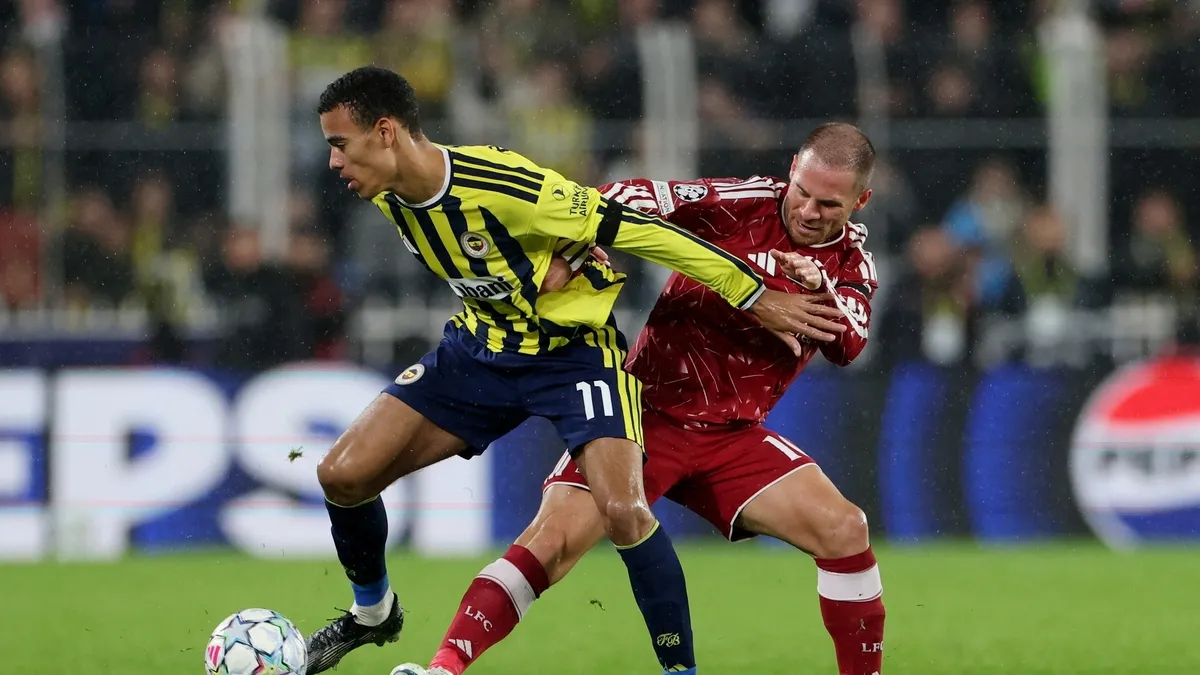
Beyond the immediate points, the victory carries symbolic weight. Breaking an 18‑year drought against an English opponent signals a resurgence in Fenerbahçe’s continental ambitions. The trio of goal‑scorers—Greenwood, Brown, and Muriqi—have etched their names into club folklore, offering a template for future European outings. As the group stage progresses, the Istanbul giants now carry both confidence and a renewed belief that they can compete with Europe’s elite.
In the wider context of the Champions League, Fenerbahçe’s upset serves as a reminder of the competition’s unpredictability. While Liverpool remains a heavyweight, the Turkish side’s triumph underscores how tactical discipline, home advantage, and individual brilliance can converge to overturn expectations. As the tournament moves forward, fans and pundits alike will watch closely to see whether this victory is an isolated spark or the beginning of a deeper shift in European football dynamics.