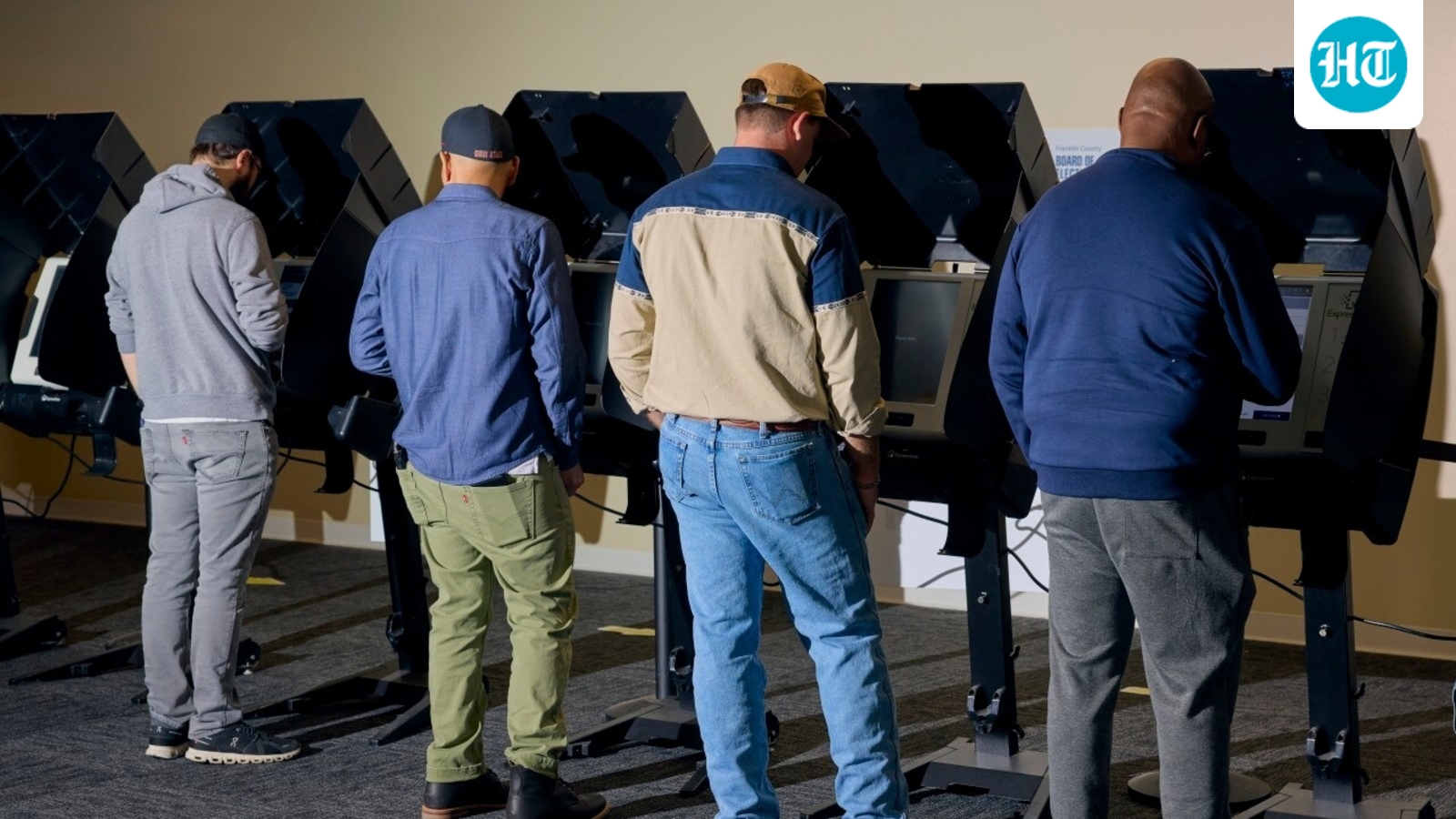
For years, the battle for the future of artificial intelligence has been fought in boardrooms and tech campuses. Now, that fight is moving to the statehouse. Wall Street is watching state and local elections in the U.S. with a new kind of anxiety, as the prospect of regulatory hurdles looms over the massive expansion of AI data centers. The focus is intense on governors' races in Texas, Ohio, Georgia, and Nevada, alongside local referendums scheduled for November. The fear is that a shift in political control could immediately halt billions of dollars in planned projects.
Analysts at RBC Capital Markets have noted that governors are effectively 'on the front lines of AI/data center regulation.' This shift means that the fate of the AI trade is no longer just a matter of federal policy, but a local election issue. The stakes are high, as the outcome of these races could determine whether the rapid build-out of AI infrastructure continues unabated or faces immediate roadblocks.
Texas is the epicenter of this concern. 25% of U.S. data-center capacity is projected for Texas by 2030. This concentration makes the region particularly vulnerable to policy changes. The most significant threat comes from the potential victory of Regina Hinojosa, the Democratic nominee for governor. If Hinojosa wins, she supports an immediate data-center moratorium. This policy would put 13.3 gigawatts of announced projects at risk.
The reaction from Wall Street is a clear signal that the AI trade is under pressure.
This is not a theoretical risk. A Democratic win in Texas could halt 13.3 gigawatts of announced projects, a figure that represents a massive portion of the nation's AI infrastructure pipeline. The sheer scale of these projects means that even a temporary delay could have cascading effects on the broader economy and the tech sector.

DEVINE: Are you confident these elections will be secure? TRUMP: No https://t.co/7iOm3vyPbX
The opposition to data-center construction is not limited to one party. There is a bipartisan pushback to data-center construction, which is making investors nervous. This widespread skepticism suggests that the regulatory environment could become increasingly restrictive, regardless of who holds power. For AI and data-center companies like Oracle, Intel, and AMD, this creates a volatile landscape where the rules of the game can change overnight.
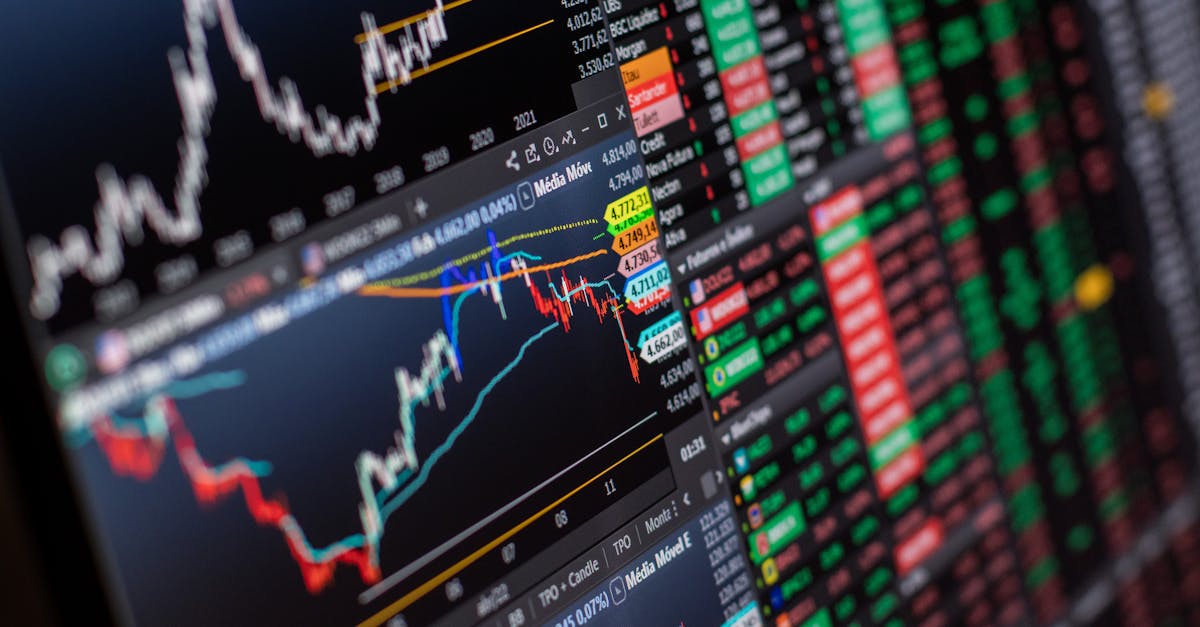
The uncertainty is already taking a toll on the market. The Nasdaq composite dropped 1.1%, while the S&P 500 fell 0.5%. These declines are not just a reaction to the election news but are also fueled by the broader volatility in the tech sector. Apple shares fell 2% amid revenue report timing, indicating that investor confidence is fragile.
The reaction from Wall Street is a clear signal that the AI trade is under pressure. The recent tech selloff, driven by concerns over regulatory hurdles, has put major players on edge. The Nasdaq’s 1.1% drop and the broader market volatility underscore the stakes. For investors, the prospect of a Democratic nominee like Hinojosa winning and implementing a moratorium is a nightmare scenario.

The impact is not limited to the stock market. The financing risks for AI firms are heightening as bipartisan opposition grows. This means that even companies that have secured funding may find it difficult to proceed with their projects if local governments decide to block them. The result is a chilling effect on investment, as companies weigh the potential for regulatory delays against the promise of future growth.
Prediction markets are already reflecting these concerns. They favor Democratic gains in Georgia and Nevada, which adds another layer of complexity to the political landscape. A Democratic win in these states could further complicate the expansion plans for AI firms. The combination of local referendums and state elections creates a perfect storm of uncertainty.
The AI trade, once considered a sure bet, is now facing headwinds that could reshape the industry. As the November elections approach, the focus will remain on the races in Texas, Georgia, and Nevada. The outcome will determine whether the AI boom continues or faces a significant slowdown.