On the evening of October 23, a dramatic fire engulfed Adolf Hitler's 'Eagle's Nest' retreat in the Bavarian Alps. The 'Eagle's Nest,' a former mountain retreat of Hitler, was a symbol of Nazi power and now faced a destructive end. The fire, which started around 9 PM, quickly grew out of control, drawing in an impressive 200 emergency responders and firefighters. The site, a former Nazi government seat and now a tourist attraction, was evacuated before the fire began, ensuring no one was inside at the time of the incident.

The 'Eagle's Nest,' also known as the Kehlsteinhaus, was a significant historical site. Built in 1938, it was a meeting place for Nazi leaders and a symbol of Hitler's power. The fire, which raged through the night, left the building in ruins. The structure, with its intricate architecture and historical importance, was partially destroyed, marking a tragic end to a site that had been preserved for decades.
The fire, which was initially reported as a deliberate act, led to the swift arrest of a suspect by Bavarian police. The incident, which had shocked the local community and tourists, was under investigation to determine the cause. The suspect, detained on October 24, provided a stark reminder of the ongoing significance of historical sites and the potential for acts of vandalism.
The site, which had been a tourist attraction, now faced a difficult path forward.
The night of October 23 saw a coordinated response from emergency services. The scale of the fire required a massive deployment of resources. The 200 emergency responders and firefighters worked tirelessly to contain the blaze, which had spread across the historic structure. The intensity of the fire, fueled by the dry conditions and the complex architecture of the building, made the task even more challenging.
The 'Eagle's Nest' was not just a place of personal retreat for Hitler; it was a symbol of Nazi power and a site of historical significance. The fire, which destroyed a part of this legacy, raised questions about the preservation of historical sites and the potential for acts of vandalism. The site, which had been a tourist attraction, now faced a difficult path forward.
The arrest of the suspect on October 24 brought a sense of closure to the incident. The Bavarian police, who were investigating the fire, had quickly identified the individual responsible. The arrest, while providing a resolution to the immediate crisis, also highlighted the ongoing challenges in preserving historical sites and the potential for acts of vandalism. The incident, which had shocked the local community and tourists, was a stark reminder of the fragility of historical preservation.
The aftermath of the fire at the 'Eagle's Nest' saw the site in ruins. The building, which had been a significant historical site, was partially destroyed. The incident, while tragic, also raised important questions about the preservation of historical sites and the potential for acts of vandalism. The local community and tourists, who had been drawn to the site for its historical and scenic beauty, now faced a difficult path forward.
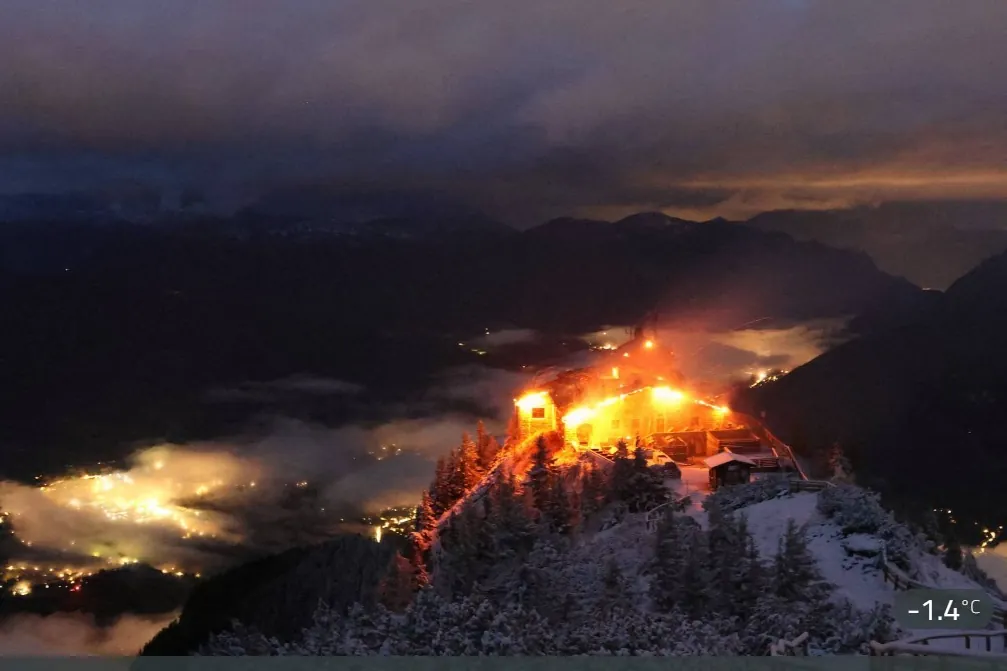
As the dust settled on the night of the fire, the 'Eagle's Nest' faced a new chapter. The site, which had been a symbol of Nazi power and a tourist attraction, now faced the challenge of restoration and preservation. The arrest of the suspect, while providing a resolution to the immediate crisis, also highlighted the ongoing challenges in preserving historical sites and the potential for acts of vandalism. The incident, which had shocked the local community and tourists, was a stark reminder of the fragility of historical preservation.