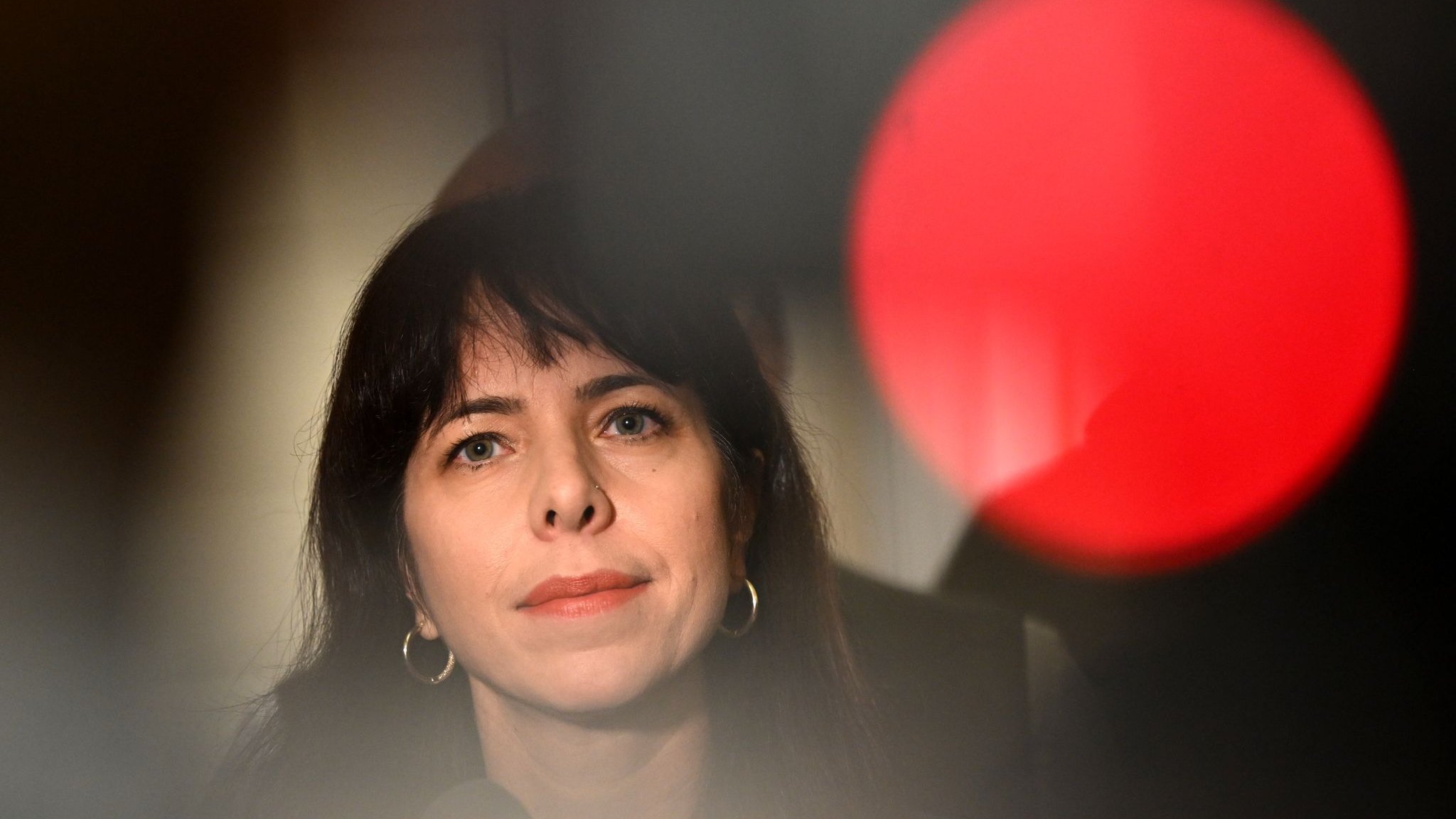
On October 29, 2026, Elif Eralp, the candidate from the Left Party, was on the brink of victory. As the ballots were counted, she found herself in a position of power, but not without lingering concerns. Eralp, a vocal advocate for social justice and human rights, had faced a unique challenge during the campaign. She received a document from an anonymous source, hinting at the presence of Hamas sympathizers in Berlin. Eralp, however, did not name the individual, Ibrahim Ibrahim, due to safety concerns for herself and her family. Her fear was palpable, and it would soon become a central issue in her political career.
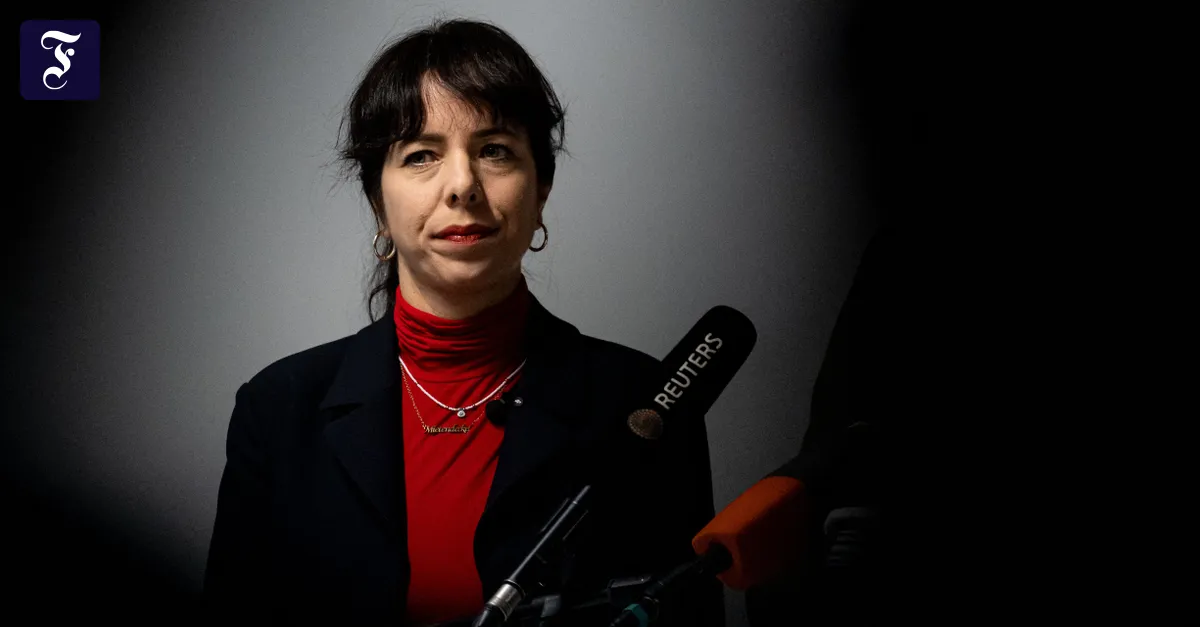
Berlin's SPD Innensenatorin, Iris Spranger, took the concerns seriously. In a statement, Spranger emphasized that fear should not influence political decisions. She assured Eralp that all candidates had the opportunity to discuss security matters with the Landeskriminalamt, the state criminal police. Spranger's stance was clear: the political process must remain rational and focused on facts, not personal fears.
In her victory speech, Eralp made a bold statement. 'Ich werde für die Sicherheit von allen Berlinerinnen und Berlinern sorgen,' she declared. Eralp's promise was unequivocal: she would ensure the safety of all Berliners, including those facing specific threats. This commitment was a testament to her resolve, but it also raised questions about her ability to enforce party discipline and make clear political statements.
The SPD's Innensenatorin, Iris Spranger, stood by her, stating, 'Ich nehme die Äußerung von Elif Eralp, dass sie sich bedroht fühlt, ernst.
The internal document that Eralp received was a source of tension within the Left Party. The party leadership was divided on how to handle the situation. Some argued that Eralp should come forward and name the individual, Ibrahim Ibrahim, to demonstrate her commitment to transparency and security. Others, however, were concerned about the potential backlash and the safety of Eralp and her family. The internal conflict highlighted the delicate balance between political courage and personal safety.
In a statement released on October 29, Eralp defended her actions. 'Ich werde mich von niemandem einschüchtern lassen,' she declared. Eralp's resolve was clear, but the question remained: would her fear of Hamas sympathizers undermine her effectiveness as mayor? The SPD's Innensenatorin, Iris Spranger, stood by her, stating, 'Ich nehme die Äußerung von Elif Eralp, dass sie sich bedroht fühlt, ernst.' Spranger's support was a crucial vote of confidence, but it also underscored the political challenges Eralp would face.
The 'Spiegel' reported on the internal notes from Eralp's office, which revealed her reluctance to name the Hamas sympathizer. The article sparked a debate about Eralp's political courage and her ability to make clear statements. Critics argued that Eralp's fear was a sign of weakness, while supporters believed that her safety was paramount. The media coverage added another layer of complexity to the situation, putting Eralp's political future in the spotlight.
As Eralp prepares to take office, the challenges ahead are clear. She must balance her personal safety with the need to ensure the security of all Berliners. The SPD's Innensenatorin, Iris Spranger, stands by her, emphasizing the importance of rational security discussions. For Eralp, the road ahead will be fraught with challenges, but her commitment to the safety of all Berliners remains unwavering. The coming months will be a test of her political courage and her ability to lead with conviction.

Berlin's new mayor-elect, Elif Eralp, faces a critical moment. Her fear of Hamas sympathizers in Berlin has sparked debate about her political courage and the ability to enforce party discipline. As she prepares to take office, the SPD's Innensenatorin, Iris Spranger, stands by her, emphasizing the need for rational security discussions. The coming months will be a test of Eralp's resolve, but her commitment to the safety of all Berliners remains unwavering.