
In the southern stretches of Ukraine, along the banks of the Dnipro River, sits a city called Oleshky. Before the conflict, it was a place of roughly 24,000 residents. Today, the city has been under Russian occupation since 2022, and the damage inflicted by years of fighting has left the infrastructure in tatters. The recent flood has submerged 90 percent of the city, compounding the devastation of war. The result is a community trapped in a cycle of ruin, where the basic necessities of life—food, medicine, and clean water—have become as scarce as safety itself. The remaining population is comprised primarily of elderly residents who urgently need medical attention, and the absence of reliable aid has left them on the brink of a total collapse. This is the landscape into which the First Lady of the United States, Melania Trump, has now stepped, brokering a localized ceasefire that has drawn cautious attention from both Moscow and Kyiv.
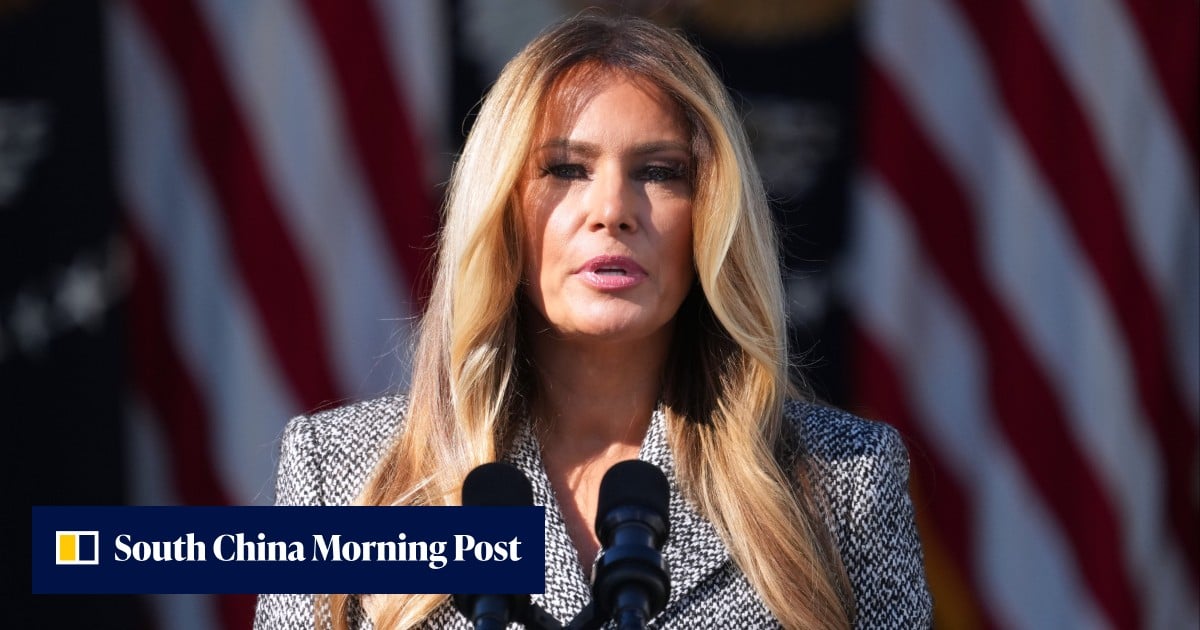
The White House announced that this agreement is set to begin on October 29, marking a distinct shift in how diplomatic resources are being deployed. Rather than a broad, nation-wide truce, this is a targeted intervention in a single city, focused on facilitating the delivery of humanitarian aid and the evacuation of civilians who wish to leave. Melania Trump herself characterized the situation with stark clarity, noting that Oleshky is a front-line war city on the brink of disaster. She stated that the people of Oleshky have limited electricity, live amid mined roads, and endure regular military attacks. In her own words, it was abundantly clear that without her intervention, the possibility of bringing humanitarian aid into the city and evacuating the elderly would be impossible. This framing suggests a diplomatic strategy focused on specific, manageable outcomes. The goal is not to end the war in Ukraine, but to create a small, functional corridor of relief in a place where the machinery of conflict has stopped functioning for civilians. The focus on the elderly is deliberate; these are the individuals least able to navigate the chaos of a war zone, and their vulnerability is the primary driver of the humanitarian mission.

Melania Trump 'secures Russia and Ukraine ceasefire' in city, says White House https://t.co/fbMMhI57fc
The mechanics of securing such a truce are far more complex than the headline suggests. Once the intention to pause hostilities was established, the logistical work had to be coordinated between two opposing governments that are still at war. Melania Trump noted that both nations promptly assigned teams to coordinate the complex mechanics involved, which specifically include demining. The clearance of explosive remnants of war is a prerequisite for any safe movement of civilians or aid vehicles. All parties, she said, have worked around the clock since that moment, indicating a high level of urgency on the part of both the American and the two warring sides. This cooperation extends beyond military logistics. Non-military, civilian leaders from both countries will work together to visit Oleshky residents in their homes to determine the level of assistance they require. This is a detailed, house-by-house assessment of need, a process that requires a temporary cessation of hostilities to be conducted safely. The shift from military coordination to civilian welfare planning marks a distinct phase in the diplomatic process, moving the focus from the battlefield to the living room of a ruined city.
All parties, she said, have worked around the clock since that moment, indicating a high level of urgency on the part of both the American and the two warring sides.
Reaction from the Russian side has been notable. Dmitry Peskov, the Kremlin spokesperson, discussed the truce efforts, framing the initiative in terms of humanitarian cooperation. He stated that they welcome the efforts of the First Lady of the United States, Mrs. Melania Trump, who has made a significant contribution to the coordination of the humanitarian operation. Peskov added that those who wish to leave the town will be able to do so. This language suggests that while Russia maintains its military control over the territory, it is amenable to a localized pause in active hostilities that would allow for civilian movement and aid delivery. The Kremlin's neutral-to-supportive stance is significant because it prevents the initiative from being immediately dismissed as an American imposition. By welcoming the First Lady's role, Moscow is acknowledging the utility of a third-party facilitator in a region where direct Russian-Ukrainian channels have often been fraught.
On the Ukrainian side, the response has been measured, though it comes from figures within the political landscape rather than the front lines. David Arakhamia, a prominent Ukrainian politician, stated that a ceasefire will be established in Oleshky soon, as would an operation to establish permanent humanitarian corridors for evacuations and food deliveries. While Zelenskiy and the broader Ukrainian leadership maintain a neutral stance on the specific mechanics of this localized deal, the focus on permanent humanitarian corridors indicates an alignment with the underlying goal: to provide relief to a population that is suffering under the weight of isolation.