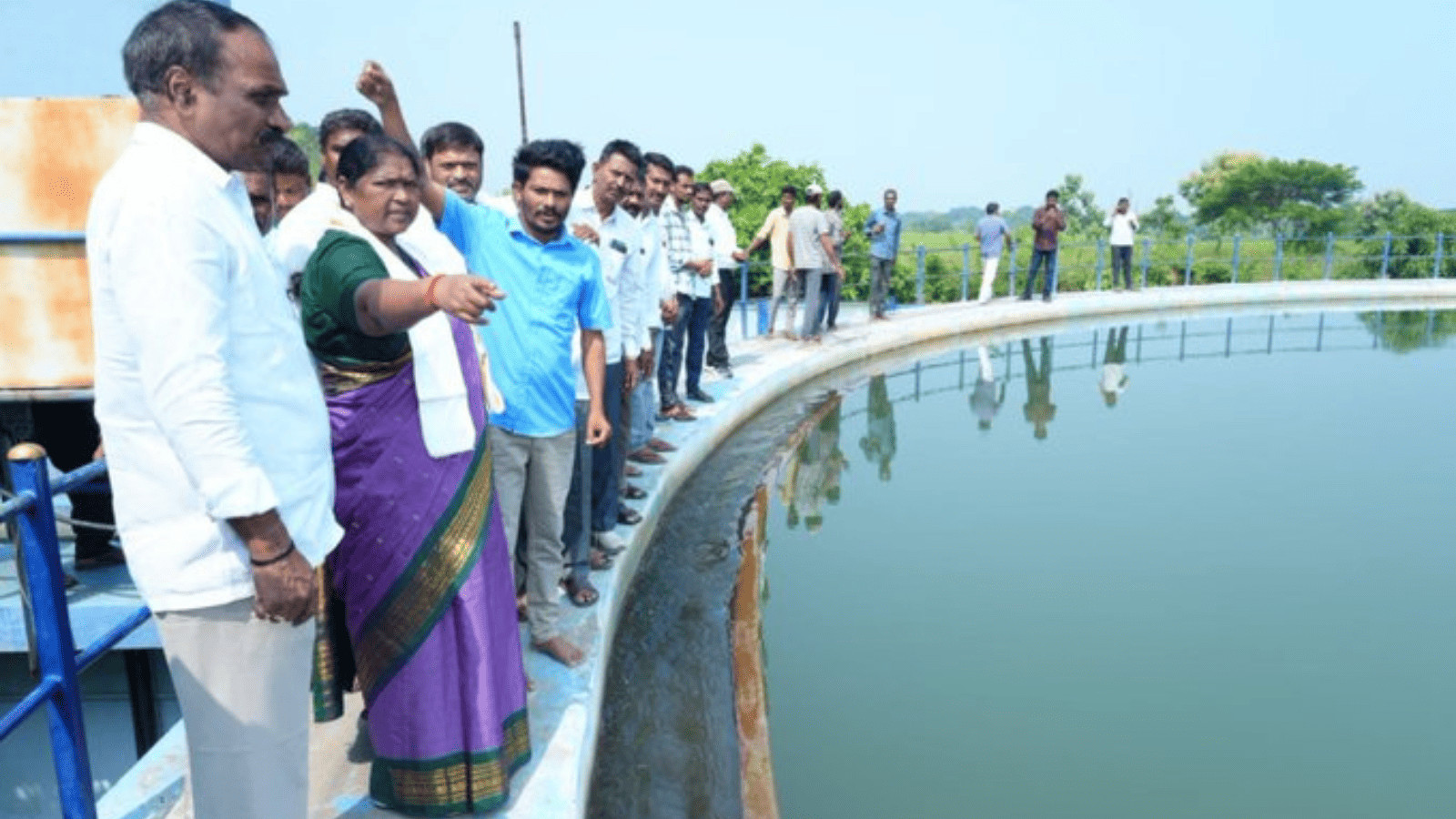
The morning light breaks over the surface of Ramappa Lake, located in the Mulugu district of Telangana, where the waterline rests at a measured 29 feet. It is a specific number that anchors the current reality of the reservoir. Standing near the water’s edge on October 21, 2026, Seethakka, the Minister for Panchayat Raj, conducts an inspection of the site. This is not merely a ceremonial visit; it is a functional assessment of infrastructure that serves the local population. For a newcomer to the region, the lake is a central feature of the landscape, but its current status requires active management. The presence of the minister signals that the administration is paying close attention to the volume available for distribution. The 29-foot mark represents the current depth, a metric that officials use to gauge the immediate capacity of the lake to support surrounding needs. In a region where water security is a persistent concern, such inspections serve as a barometer for how well the system is holding up under pressure. Seethakka’s observation of the site sets the stage for the discussions that follow, moving from visual assessment to strategic planning.
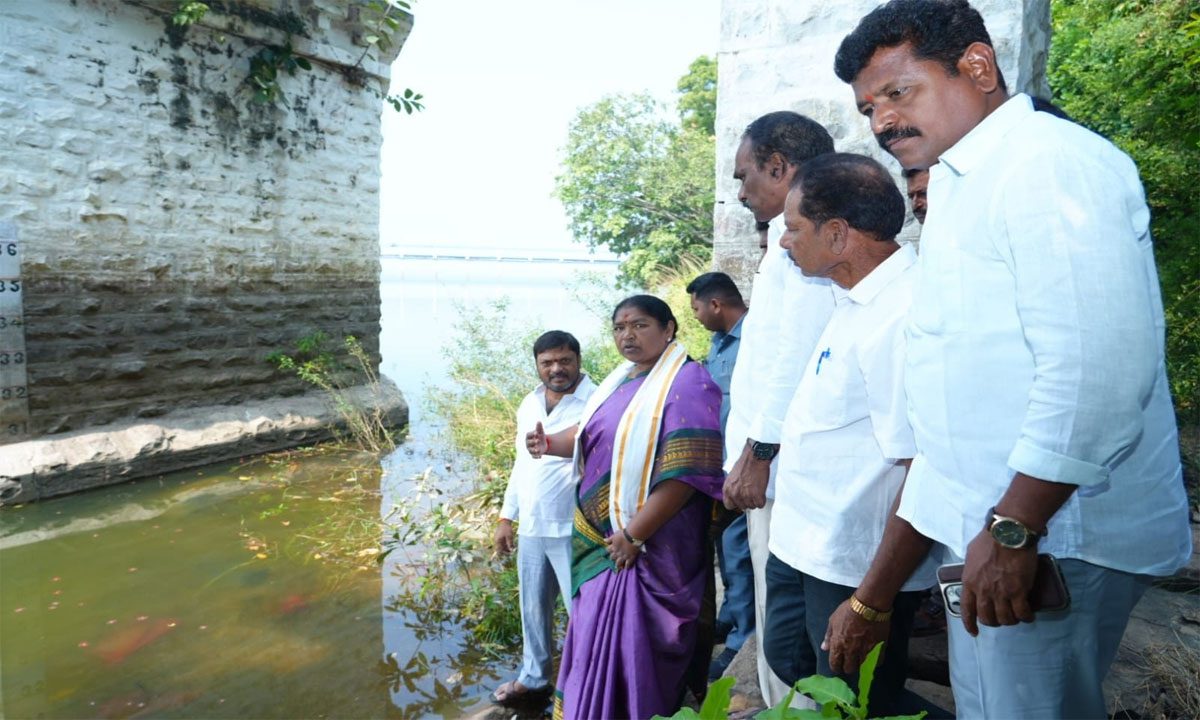
As part of the ongoing evaluation, the state administration is examining the possibility of pumping water from the Godavari River. The Godavari is a major waterway, and drawing from it offers a potential alternative or supplement to what is currently held in the lake. This proposal involves significant infrastructure considerations, as it requires mechanisms to move water from a flowing river into the storage system of the lake. The government is weighing the logistics of this option. It is not yet a confirmed plan, but rather a possibility under active examination. The rationale behind considering the river as a source is rooted in the need to ensure a steady supply. If the levels in Ramappa Lake are to be maintained or augmented, external sources may need to be tapped. The discussion around the Godavari reflects a broader strategy of diversifying water inputs. By looking beyond the lake’s own catchment area, officials are exploring ways to insulate the local supply from natural variability. This step is part of a precautionary approach, acknowledging that relying solely on current lake levels may not be sufficient to meet future demands or cope with seasonal fluctuations.

Inspected the Ramappa Lake and Defluoridation Project in Venkatapuram Mandal, Mulugu District. We are taking steps to purify water from Ramappa and provide safe drinking water to Mulugu, Venkatapuram, Govindaraopet, Mallampalli and parts of Bhupalpally district. Under the leadership of CM @revanth_anumula & Dy CM @Bhatti_Mallu, we have been reviewing water conservation measures for the last six months. With El Niño threat looming, I appeal to everyone to use every drop of water judiciously.
While the government looks to external sources like the Godavari, there is also a focus on treating the water already present in Ramappa Lake. Steps are being taken to process this water through a defluoridation project. Fluoride is a chemical compound that can be present in groundwater and surface water; while essential in minute quantities for dental health, it can cause fluorosis and other health issues when consumed in excess over time. A defluoridation project is designed to remove these excess levels, making the water safe for human consumption. This is not just about volume; it is about quality. The plan involves supplying this treated water to the surrounding areas. By implementing this treatment process, the administration aims to ensure that the water drawn from Ramappa Lake meets safety standards for drinking. This dual focus—on quantity through potential pumping and on quality through treatment—highlights a comprehensive approach to water security. The defluoridation step is critical because it directly impacts public health. Without it, even a lake with sufficient volume could pose risks to the residents it serves. The project represents a technical intervention that transforms raw water into a reliable resource.
This means preparing for dry spells, managing demand, and ensuring that the infrastructure is robust enough to handle stress.
Underpinning these specific initiatives is a broader commitment to precautionary measures against water scarcity. The government is actively taking steps to prevent the depletion of water resources. This includes conservation measures designed to minimize waste and maximize efficiency in the supply chain. Water scarcity is not just an environmental issue; it has social and economic implications for the communities in Mulugu. By taking precautionary measures, officials are attempting to build resilience into the system. This means preparing for dry spells, managing demand, and ensuring that the infrastructure is robust enough to handle stress. The inspection of Ramappa Lake is part of this preventive strategy. It allows for real-time monitoring and quick adjustments if conditions change. The emphasis on conservation suggests a shift from reactive measures to proactive planning. Instead of waiting for levels to drop critically low, the administration is engaging with the data and the infrastructure to maintain stability. This holistic view combines the specific actions of pumping and treatment with the broader principle of sustainability. It acknowledges that water is a finite resource that must be managed with care to ensure it remains available for future generations.
The involvement of the State Administration in these decisions underscores the formal nature of the water management process. While local entities may handle day-to-day operations, the strategic direction is set at a higher administrative level. This ensures that resources are allocated effectively and that large-scale projects, like the defluoridation plant or river pumping, are coordinated with broader state goals. The inspection by Seethakka, as the Minister for Panchayat Raj, highlights the link between local governance and state-level policy. Panchayats, or local councils, are often the first point of contact for community water issues, and ministerial oversight ensures that their challenges are addressed with adequate support. The administrative framework provides the authority and funding necessary to implement the technical solutions discussed. It bridges the gap between a community’s need for safe water and the government’s capacity to deliver it. This structure is vital for maintaining trust and ensuring that public resources are used responsibly. The inspection serves as a visible demonstration of this commitment, showing that the state is attentive to the needs of the Mulugu region.
The ultimate goal of these combined efforts is to supply safe drinking water to the areas surrounding Ramappa Lake. This is not just a technical objective; it is a social one. Access to clean water is a fundamental right, and the administration’s actions are aimed at securing that right for the local population. The defluoridation project ensures that the water is chemically safe, while the pumping plans and conservation measures ensure that it is physically available. By addressing both quality and quantity, the government is tackling the problem from multiple angles. This comprehensive approach is designed to prevent the recurrence of shortages or health risks associated with contaminated water. The surrounding areas, which depend on the lake for their supply, stand to benefit significantly from these interventions. The success of these projects will be measured not just in cubic feet of water, but in the health and security of the people who rely on it. As the administration moves forward with these plans, the focus remains on creating a sustainable and reliable water supply system. The inspection of October 21, 2026, is a snapshot of this ongoing effort, a moment where strategy meets execution in the service of public health and environmental stewardship. The work ahead involves continued monitoring, maintenance of treatment facilities, and coordination with river authorities. But the foundation has been laid, with clear objectives and a dedicated leadership committed to ensuring that the water at 29 feet and beyond remains a source of safety, not scarcity.