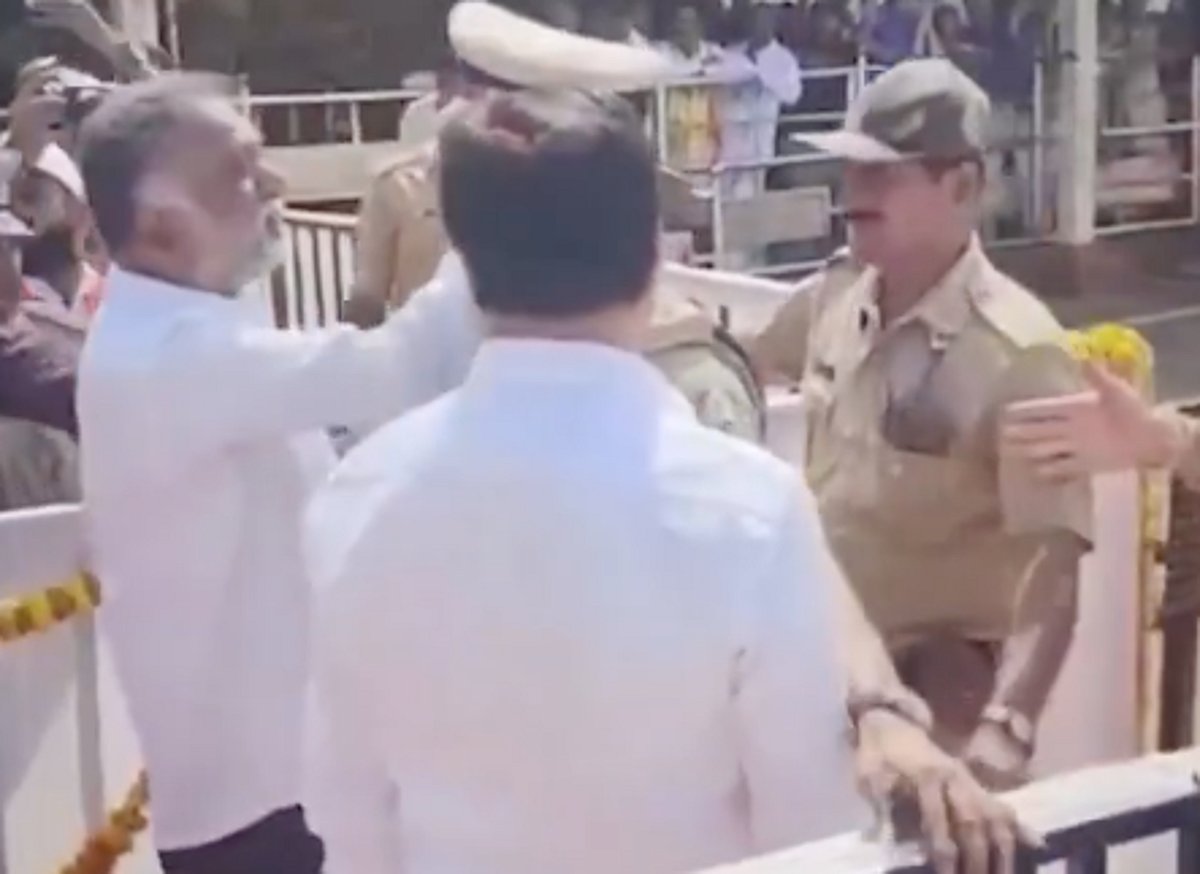
For the participants of the Mysuru Dasara, the Nandi Dhwaja puja is more than a ritual; it is a moment of profound civic and religious significance. Yet, on October 22, 2026, the solemnity of the occasion was punctured by a stark display of administrative friction. As the procession approached the Mysuru Palace, three ministers—Narendraswamy, Basavantappa, and Nandamuri Balakrishna—found their path blocked by police. The officers, led by SP CB Rishyanth, stopped the ministers from entering the enclosure, citing the need to prevent trespass. For the ministers, who were there to fulfill their official duties, the intervention was both baffling and humiliating. Muzrai Minister Basavantappa later noted the absurdity of the situation, stating, "We would have known about any such protocol. I don’t know why we were stopped, despite the officers knowing that we were ministers."
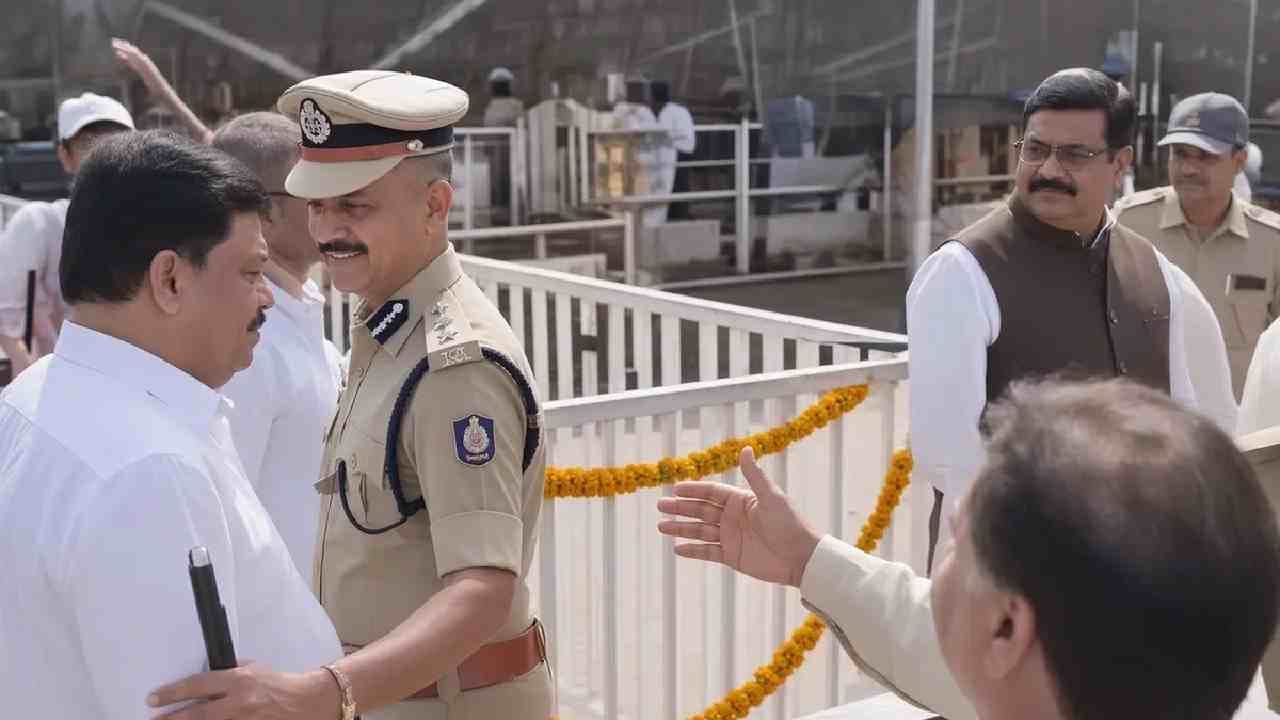
The incident quickly escalated into a public confrontation, highlighting the precarious nature of protocol when it intersects with the lived realities of caste in India. While the ministers were held back, the Chief Minister, DK Shivakumar, had already moved ahead. Upon realizing that his colleagues had been detained, Shivakumar returned to the scene and intervened, ensuring the ministers were allowed to join the proceedings. This moment of intervention, while resolving the immediate impasse, did little to quell the brewing outrage. The optics of Dalit ministers being barred from a high-profile religious ceremony by law enforcement sparked immediate and widespread criticism, with many viewing the police action as a reflection of deep-seated systemic bias rather than a simple adherence to security procedures.

Karnataka Chief Minister D.K. Shivakumar after the Nandi Dwaja puja outside Mysuru Palace on October 21, marking the commencement of the grand Dasara procession. 📸 Shankar Bennur https://t.co/RtkBcPflqx
As the news rippled outward, the political establishment scrambled to frame the narrative. The opposition, including the BJP and JD(S), seized upon the incident, characterizing it as an unacceptable affront to the dignity of elected officials and a clear instance of caste-based discrimination. Conversely, Deputy Chief Minister G Parameshwara sought to neutralize the growing controversy, framing the event as a routine matter of security. "Although the Ministers were initially stopped while the Chief Minister moved ahead, he later returned and took them along," Parameshwara stated. "The police were performing their duty. There is no need to create an unnecessary controversy over the matter." His attempt to downplay the incident, however, stood in stark contrast to the anger expressed by Dalit organizations and progressive thinkers, who saw the detention as an indictment of how power is negotiated—and denied—within the state’s most sacred spaces.
There is no need to create an unnecessary controversy over the matter.
By the end of the day on October 22, 2026, the pressure to address the incident became unavoidable. Chief Minister DK Shivakumar, acknowledging the gravity of the public outcry, ordered an official inquiry into the actions of the police. He directed the Chief Secretary to investigate the circumstances surrounding the detention and to submit a formal report. In his statement, Shivakumar was unequivocal about the need for accountability: "Such irresponsibility cannot be tolerated. I have therefore ordered the Chief Secretary to conduct an inquiry and submit a report." As the case moves toward a committee for further decision, the incident remains a potent reminder of the tensions that persist within Karnataka’s political landscape. Whether the inquiry will lead to substantive changes in protocol or merely serve as a bureaucratic buffer remains to be seen, but the event has undeniably forced a conversation about who is permitted to stand at the center of the state’s most important traditions.