
When Donald Trump posted on Truth Social on October 18, 2026, his message was unmistakable: the Ukrainian president, Volodymyr Zelensky, “doesn’t care” about ending the war with Russia. Trump framed the conflict as a personal choice, not a geopolitical inevitability, and positioned himself as a voice of reason urging an end to hostilities. The post, written in both English and Russian, blended political critique with a stark economic warning, suggesting that Zelensky’s actions were harming the global diesel market by targeting Russian refineries.
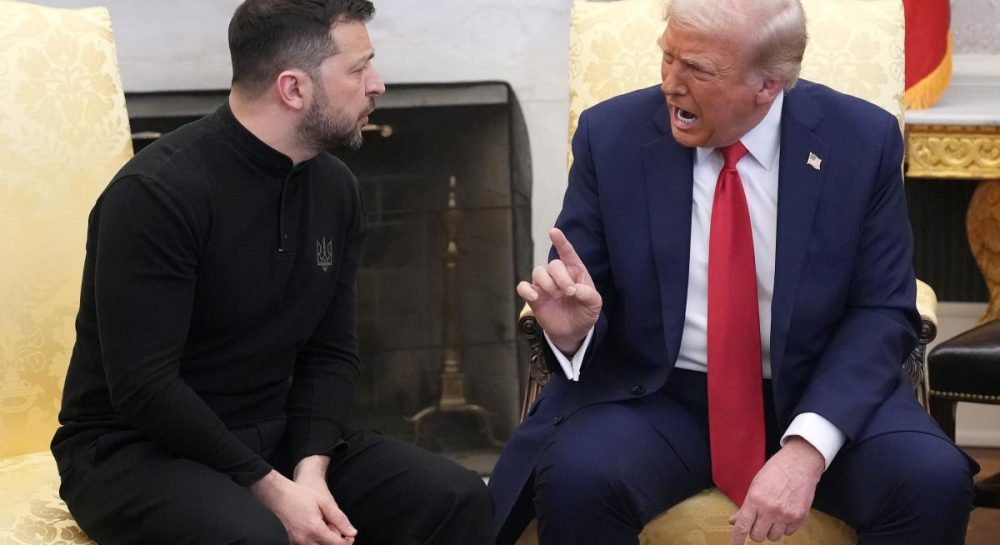
Trump’s central claim hinges on the flow of money into Kyiv. He pointed to “all of the money that Europe is famously giving him, and that Crooked Joe Biden gave him in the past,” arguing that this financial lifeline removes any incentive for Zelensky to negotiate. By invoking Europe’s “generous” aid and Biden’s past assistance, Trump implied a quid‑pro‑quo: Ukraine’s war effort is sustained by foreign cash, and the Ukrainian leader is content to let the conflict linger.
According to Trump, the window for a better settlement closed two years ago. He asserted that Zelensky could have made a better deal two years ago than he can now, suggesting that a diplomatic breakthrough was within reach but was squandered. The claim does not reference any specific proposal or negotiation, but it serves to paint Zelensky as a leader who turned down a chance for peace when the odds were more favorable.
as the party seeking a premature end to the fight, thereby protecting Russian interests.
Beyond the political narrative, Trump warned that Zelensky’s strategy of striking at Russian oil infrastructure “harms global diesel markets.” By framing military actions as economic sabotage, he linked battlefield decisions to worldwide fuel prices, a familiar theme in his broader critique of sanctions and supply‑chain disruptions. This argument dovetails with his broader stance against imposing fresh sanctions on Russia, which he fears would push Moscow further from any negotiation table.
Zelensky, for his part, has pushed back against U.S. pressure, accusing Washington of trying to force Ukraine into capitulation. While Trump’s posts paint the Ukrainian president as indifferent to peace, Zelensky’s rebuttal frames the U.S. as the party seeking a premature end to the fight, thereby protecting Russian interests. This clash underscores a deeper rift: the former U.S. president’s vision of a swift resolution versus Kyiv’s insistence on defending sovereignty, even at the cost of prolonged conflict.
In the same vein as his criticism of Zelensky’s tactics, Trump reiterated his reluctance to sign additional sanctions against Russia. He argued that further punitive measures would “push Russia away from negotiations,” reinforcing his broader narrative that diplomatic engagement, not economic pressure, is the path to peace. This stance aligns with his earlier comments about the war’s duration and the supposed missed opportunity for a deal.
As of the latest statements in October 2026, the discourse remains polarized. Trump’s accusations hinge on the premise that financial aid has emboldened Zelensky to prolong the war, while Kyiv maintains that external pressure threatens Ukraine’s bargaining power. The broader international community watches as these competing narratives shape policy discussions, from sanction regimes to peace‑building initiatives. The ultimate impact of Trump’s claims on diplomatic efforts remains uncertain, but the conversation highlights the enduring contest over who controls the story of Ukraine’s future.