
Since the onset of the Russian-Ukrainian conflict, Starlink has occupied a singular, precarious position in the theater of war. The satellite constellation, operated by SpaceX, has become more than just a commercial service; it has evolved into a critical communication backbone for Ukrainian forces. Its utility is unmatched, primarily because, as Elon Musk has noted, it remains the only system that cannot be jammed or destroyed by conventional means, at least for now. For the military, this connectivity is not merely an advantage—it is the glue holding the front lines together.
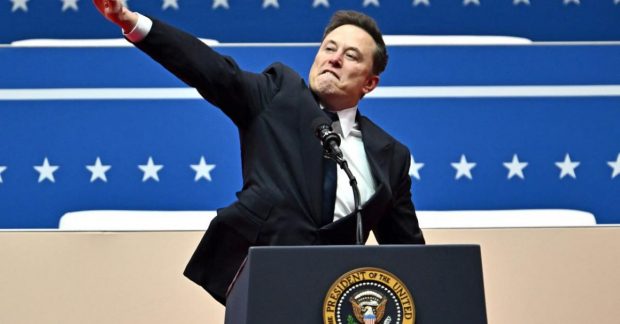
On October 24, 2026, the delicate balance between civilian technology and military application faced a public reckoning. Elon Musk, the CEO of SpaceX, leveled a stark accusation against the Ukrainian military, asserting that they had violated the established terms of use for the Starlink system. According to Musk, the service—a civilian commercial product—was being repurposed for offensive operations, specifically for drone strikes aimed at targeted killings. Musk’s position is categorical: he maintains that such usage was never permitted, nor should it ever be allowed, as it deviates from the system's intended defensive purpose.
This tension reached a breaking point when Musk admitted to intentionally limiting Starlink’s functionality for Ukrainian forces. He described the move as closing a "loophole" that had allowed the system to be used for offensive drone attacks. This intervention resulted in a temporary shutdown of services, which coincided with reports from Kiev accusing SpaceX of throttling speeds. The situation was compounded by the technical challenges of maintaining connectivity during the rapid, fluid movements of guerrilla forces, leaving the military in a state of operational uncertainty.
He described the move as closing a "loophole" that had allowed the system to be used for offensive drone attacks.
Despite the friction, there is no disagreement regarding the stakes. Musk has been clear about the potential consequences of a total service withdrawal, stating plainly: "If Starlink were to be disconnected, the front line of Ukraine would collapse immediately." He framed this not as a threat, but as a cold, objective assessment of the current battlefield reality. While the Ukrainian government later announced that the situation regarding Starlink access had returned to previous conditions, the episode highlighted the inherent volatility of relying on a private, commercial entity for national defense.

TRUMP ON STARLINK IN UKRAINE: I HAVE SPOKEN TO ELON MUSK
While the system remains vital, the discourse surrounding its use has become increasingly polarized. Musk has expressed deep frustration with those he views as hypocritical in their support for the conflict, at one point offering a harsh rebuke to those he termed "militarists" who advocate for the war without proposing a viable path to resolution. Conversely, the narrative from the Ukrainian side is not monolithic; a volunteer and former defense ministry advisor has publicly disputed Musk’s claims, suggesting a fundamental disagreement over the boundaries of "defensive" versus "offensive" operations.
As the debate continues, a distinction has emerged between the commercial Starlink system and Starshield, a separate satellite platform under the control of the United States government. Musk has pointed to Starshield as the appropriate vehicle for specific, sensitive operations, underscoring that the civilian Starlink network was never designed for the rigors and moral complexities of offensive drone warfare. As it stands, the reliance on these orbital assets remains a defining, if deeply contentious, feature of the conflict, leaving both the tech provider and the military in a state of uneasy interdependence.