
On October 24, 2026, a significant development in the conflict in Ukraine brought a new twist to the ongoing saga of satellite internet services. Ukraine's access to both Starlink and Starshield satellite links was restored, following a new U.S. diplomatic push aimed at ending the war. This restoration was a critical moment, as it meant that Ukraine could once again rely on the advanced communication and drone capabilities provided by these services. However, the restoration came with a caveat: Elon Musk, CEO of SpaceX, admitted that his company had imposed speed restrictions on Starlink to prevent its use for offensive drone strikes.
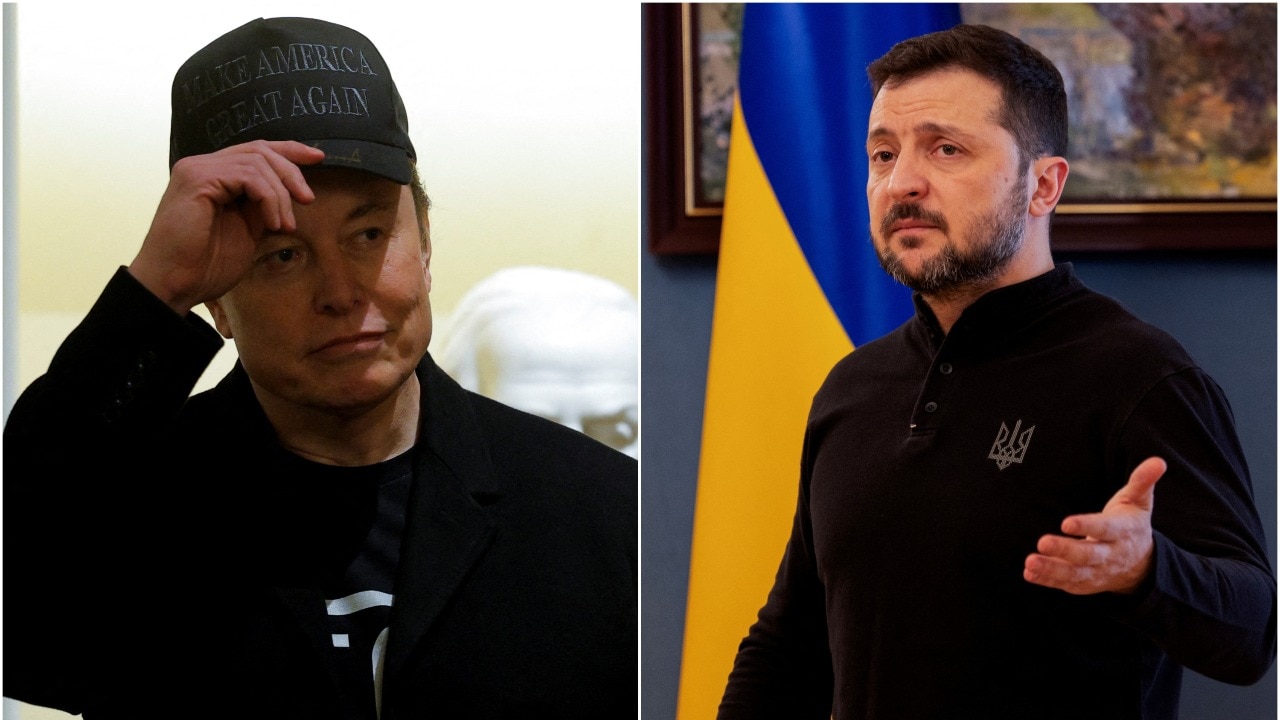
In a statement on Saturday, October 24, Musk acknowledged that SpaceX had indeed throttled the Starlink service. He explained that this action was taken to prevent the system from being used for offensive drone strikes, a move that had been previously prohibited. Musk's admission came as a response to the restoration of access to Starlink and Starshield, which had been a point of contention between Ukraine and the U.S. government.
The admission from Musk sparked a controversy, with Ukraine maintaining that the services had resumed at the required speeds. Ukraine's stance was critical of Musk's claims, denying any violation of Starlink terms of service and emphasizing the importance of the services for their military operations. The dispute highlighted the complex and often contradictory nature of technology in warfare, where civilian services can be repurposed for military use, and where companies like SpaceX must navigate the fine line between commercial interests and national security.
However, the speed restrictions imposed by SpaceX raised questions about the balance between commercial interests and the ethical use of technology in war.
Starlink, a constellation of low-Earth orbit satellites, provides high-speed internet access to remote and underserved areas. Starshield, the military-grade version of Starlink, is crucial for Ukraine's drone operations and communication needs. The restoration of these services was a significant step forward in Ukraine's efforts to maintain its technological edge in the conflict. However, the speed restrictions imposed by SpaceX raised questions about the balance between commercial interests and the ethical use of technology in war.

*TRUMP ON STARLINK IN UKRAINE: I HAVE SPOKEN TO ELON MUSK
Elon Musk took a firm stance, accusing Ukrainian forces of violating Starlink terms of service by using the system for offensive drone strikes. He maintained that the loophole was closed last week, implying that the speed restrictions were a necessary measure to prevent such violations. Musk's claims were met with skepticism from Ukraine, which denied any misuse of the services. The dispute highlighted the tension between the U.S. government's policies and the practical needs of Ukraine's military operations.
The restoration of Starlink and Starshield services and the subsequent admission from Musk occurred against the backdrop of a renewed U.S. diplomatic push to end the war in Ukraine. This push was part of a broader strategy to leverage technology and communication to support Ukraine's efforts and to pressure Russia into negotiations. The incident underscored the complex interplay between technology, geopolitics, and the ethics of warfare. As the conflict continues, the role of companies like SpaceX in providing critical services while navigating the ethical and legal boundaries will remain a critical issue.

Elon Musk claims that Ukraine allegedly violated Starlink's terms of use and used the system on combat drones. As someone who was inside the process at the Ministry of Defense, I can say with certainty that this is not true. In February of this year, whitelists were introduced. Stationary terminals could be registered by both military personnel and civilians. But for any satellite terminal to work while on the move, it had to be added to a special list and connected to the military Starshield system. Otherwise, no satellite communication terminals in Ukraine would work. In other words, using civilian Starlink for drone missions was technically impossible. All drone missions that required satellite communication could only be carried out using Starshield. We are very grateful to the United States and SpaceX for access to critically important satellite communications. Ukraine did not violate the terms of use.
The restoration of Starlink and Starshield services in Ukraine and the subsequent admission from Elon Musk have brought to light the challenges and complexities of technology in modern warfare. While SpaceX's actions were aimed at preventing the misuse of its services, the controversy highlights the broader ethical and strategic considerations that companies and governments must grapple with. As the conflict in Ukraine continues, the role of technology and the companies that provide it will remain a central focus of the ongoing negotiations and efforts to find a peaceful resolution.