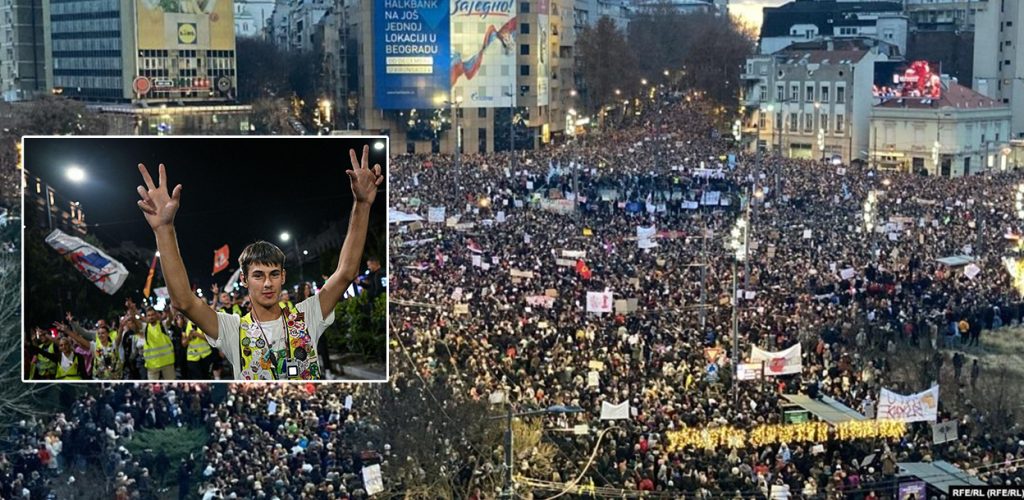
When the final tallies arrived, the political landscape that had defined Serbia for fourteen years dissolved in a single evening. The early parliamentary elections produced a historic result: an electoral list supported by the nation's student movement, known as the 'Student List', captured a decisive majority in the 250-seat assembly. Former President Aleksandar Vučić, the right-wing leader whose rule had stretched across a decade and a half, acknowledged what had once seemed unthinkable—his political era had come to an end.
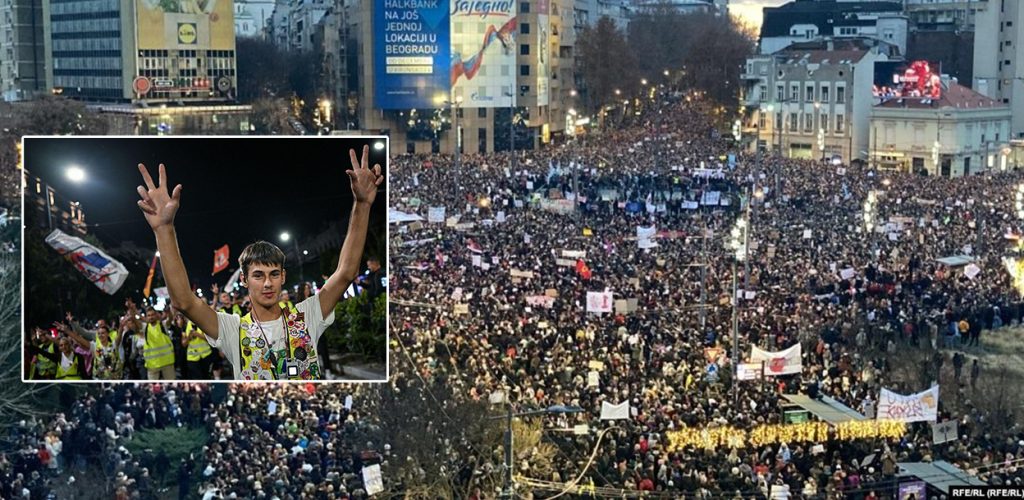
Voter turnout soared to nearly 70 percent, a surge in civic participation not seen since the breakup of Yugoslavia in 1992. Across the country, citizens flooded polling stations to deliver a clear mandate for political transformation, handing the student-backed coalition between 135 and 140 seats. Vučić’s 'United Serbia' coalition, also known as the SNS coalition, managed only 38.8 percent of the vote, securing approximately 103 to 105 seats.
The momentum that dismantled a fourteen-year regime did not gather overnight in campaign offices; it was forged in grief and public outrage. On November 1, 2024, a concrete canopy at the railway station in Novi Sad suddenly collapsed, crushing innocent bystanders below and killing 16 people.
For nearly two years, the youth movement maintained a constant presence in public squares, refusing to let the tragedy in Novi Sad be swept aside.
In the immediate aftermath, public anger focused on systemic corruption and state negligence. What began as localized mourning in Novi Sad quickly expanded into nearly two years of widespread, student-led anti-corruption demonstrations across Serbia. Young organizers marched through the streets, turning institutional failure into a national reckoning and demanding accountability from the ruling establishment.

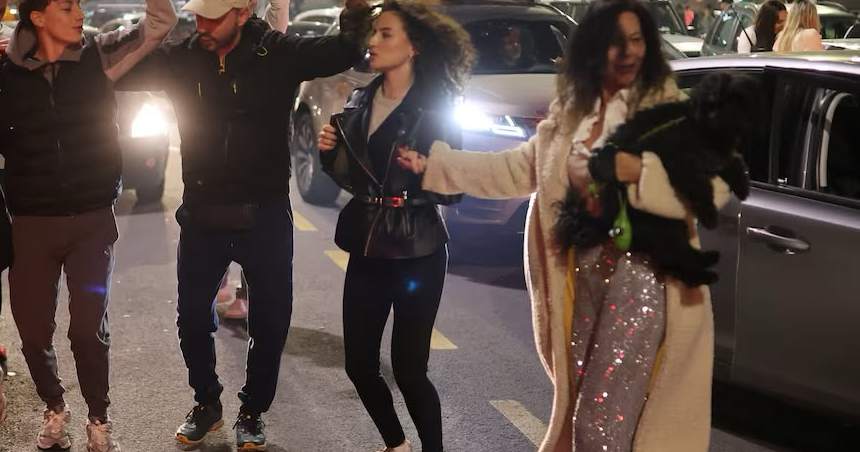
Celebrations have erupted in the streets of Serbia's capital Belgrade, after long-standing leader Aleksandar Vučić admitted defeat to a student-led protest movement in snap parliamentary elections. Read more: https://t.co/iOYTfXzeuc https://t.co/gQ2qDuPgU3
For nearly two years, the youth movement maintained a constant presence in public squares, refusing to let the tragedy in Novi Sad be swept aside. Over time, these student organizers recognized that sustained street demonstrations needed to translate into institutional power if systemic reform were ever to be achieved.
By organizing into an official electoral alliance—the 'Student List'—the youth-led opposition crafted a platform centered on dismantling state corruption and restoring democratic norms. Their grassroots campaign mobilized vast swathes of the electorate who had long felt disconnected from governance, transforming deep public discontent into an organized voting majority.
Aleksandar Vučić had dominated Serbian politics for 14 years, maintaining authority through his right-wing SNS and United Serbia coalition. Yet as the election results were confirmed, the depth of the shift became undeniable.
Conceding defeat, Vučić acknowledged the outcome, noting that the student list had emerged victorious and that his political camp would be limited to around 105 seats in the incoming parliament. For a leader who had dictated the pace of Serbian governance for fourteen years, the statement marked a definitive political defeat at the hands of the nation's youth.

Serbia’s student-led movement has delivered a historic election upset, ending 14 years of rule by Aleksandar Vučić’s party. Millions celebrated across Serbia and Europe. https://t.co/OSWEQ9Taxj
Following their victory, representatives of the student movement signaled an immediate transition toward institutional reform. "Tonight the voice of the people has been heard," stated Dr. Ilija Srdanović after the election results were confirmed. "From tomorrow, we will begin working to restore the rule of law and democracy."
Srdanović emphasized that the movement had demonstrated that meaningful change remains possible when backed by strong determination, declaring that citizens now have the opportunity to reclaim truth, their political voice, and their collective future. The incoming parliamentary majority has promised to prioritize democratic transparency, judicial independence, and rule of law after years of centralized governance.
The sudden conclusion of Vučić’s fourteen-year tenure carries significant geopolitical implications that extend well beyond Serbia’s borders. As the new student-backed government prepares to take office, international observers are evaluating how this power shift will reshape the country's foreign policy landscape, particularly regarding Serbia's ties with the United States and Europe.
With more than 135 seats secured in parliament, the student movement possesses the legislative strength required to govern independently. What began as a tragic canopy collapse in Novi Sad has culminated in a historic shift, demonstrating how a sustained youth movement can rewrite a nation's political trajectory.

Aleksandar Vučić has conceded defeat to a student-led protest movement in Serbia. Lula Da Silva has won re-election in Brazil amid fierce challenge by a Trump wannabe. There is some glimmer of hope in the world against tyranny and autocrats.