
China's stock market faced a dramatic downturn, with the CSI 300 index, which tracks 300 major stocks listed in Shanghai and Shenzhen, losing 20% of its value from its June peak. This decline was a stark contrast to the expectations of many investors and analysts, who had anticipated a more stable market. The sudden drop sent ripples through the global financial community, with other Asian markets like Tokyo, Shanghai, and Hong Kong also experiencing significant declines.
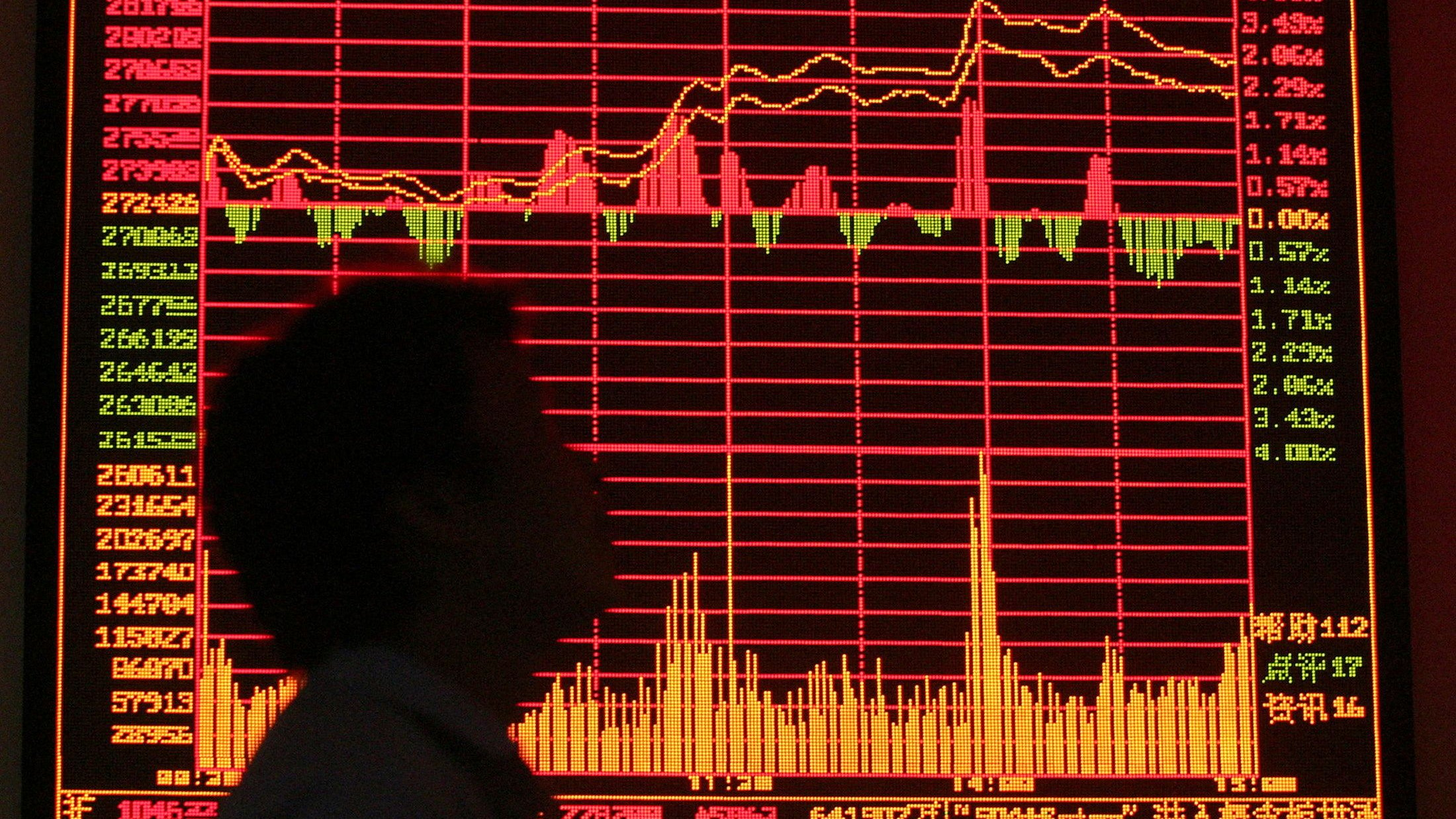
China's economy reported a growth of 4.5% year-on-year in the July–September quarter, outpacing the 4.3% growth in the previous quarter and surpassing the 4.4% analysts had anticipated. This faster-than-expected growth was initially seen as a positive sign, but it quickly turned into a double-edged sword. The stronger-than-expected GDP growth reduced hopes for additional stimulus measures, which had been seen as a potential lifeline for the market. Without the expected support, investors began to sell off their stocks, leading to a sharp decline in the CSI 300 index.

Dragon In A Bear Hug Three reasons why China's stock market plunged 20% from its peak Read: https://t.co/EJREPH8Q4S
Geopolitical tensions over Huthi attacks, exacerbated by the United States expelling Saudi diplomats, added to the pressure on global markets. These tensions had a direct impact on Asian markets, including China. The Nikkei 225 in Tokyo fell 2.3%, the Hang Seng in Hong Kong dropped 3%, and the Shanghai Composite Index declined 1.2%. The CSI 300 index, which had been tracking a steady decline, finally crossed the 20% threshold, entering bear-market territory.
The tech sector, which had been a strong performer, faced additional selling pressure, further contributing to the bear market conditions.
Another significant factor that contributed to the downturn was a profit miss from CATL, China's leading battery manufacturer. CATL announced a lower-than-expected profit, which sent shockwaves through the tech and energy sectors. This miss in earnings led to additional selling pressure on related stocks, exacerbating the overall market decline. The tech sector, which had been a strong performer, faced additional selling pressure, further contributing to the bear market conditions.
The decline in the CSI 300 index was not just a one-time event but a reflection of broader economic challenges. Analysts pointed to concerns over corporate earnings, weak demand, and the valuation of artificial intelligence (AI) stocks as key drivers of the market's downturn. The index had experienced 10 consecutive weeks of losses, with a fall of 1.4% during the session and a total decline of 3.2% for the week. The 20% drop from the June peak was a clear indication that the market was in bear-market territory, a term used to describe a decline of 20% or more from a recent peak.
The downturn in the Chinese stock market was not just a short-term blip but a sign of underlying economic challenges. The World's second-largest economy, which had been posting slowest growth in over three years, faced intense competition and excess industrial capacity, squeezing profit margins in parts of the economy. Beijing had set a deadline for wealthy individuals to declare and pay offshore trust income, adding to the pressure on the market. Analysts predict that volatile conditions could persist until early 2027, highlighting the need for investors to remain cautious.
The sudden 20% drop in China's CSI 300 index was a complex interplay of economic factors, geopolitical tensions, and corporate performance. While the downturn was a significant event, it also highlighted the resilience and adaptability of the market. As the world watches, the future of China's stock market remains uncertain but closely watched.