On November 3, 2026, the nation watched as the midterm elections unfolded. The Republican Party, which had dominated the House and Senate for years, faced a formidable challenge. The polls closed at 7 PM, and as the night wore on, the results began to pour in. By the early hours of November 4, it was clear that the Republicans had suffered a significant defeat, losing control of the House and the Senate. The election night was a stark reminder of the shifting political landscape and the challenges faced by the Republican Party.

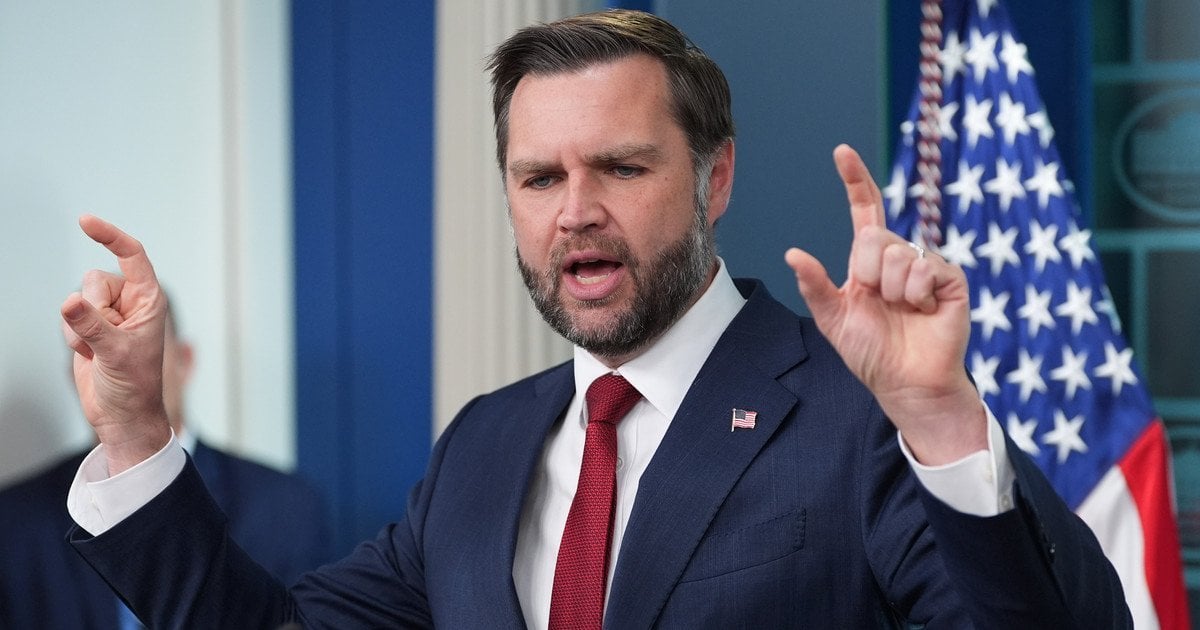
Amid the post-election analysis, one issue stood out: the Iran war. Vice President JD Vance, a key figure in the Republican Party, took the stage to address the press. He made it clear that the Iran war was the primary reason for the party’s loss. ‘The reason we lost is the war,’ Vance stated emphatically. This statement echoed the sentiments of many who had voted for Democrats, citing the war as a key factor in their decision.
Vance’s remarks were backed by data and pollster insights. According to a pollster who had accurately predicted the results, the Iran war had significantly impacted public opinion. Many voters who had supported Donald Trump in the 2024 presidential election had switched their allegiance to the Democrats in the 2026 midterms. The war, along with rising inflation and dissatisfaction with immigration policies, had alienated a significant portion of the Republican base.
Democrats, who had secured control of Congress, took a firm stance against the Iran war.
Inflation had been a growing concern for Americans, and the Iran war had added to the economic strain. The cost of living had risen, and many voters felt that the Republican Party had not adequately addressed these issues. Vance acknowledged this, stating, ‘The real reason we lost is obvious to almost everyone. The reason we lost is the war. The president himself said so last night.’
Vance’s comments raised questions about the divisions within the Republican leadership. The vice president’s admission that the war was the main reason for the GOP’s defeat came at a time when the party was already grappling with internal tensions. Vance’s potential 2028 presidential ambitions were also in the spotlight, as his remarks suggested a shift in the party’s strategy.
Democrats, who had secured control of Congress, took a firm stance against the Iran war. Chuck Schumer, the Senate Minority Leader, called for an end to the conflict. ‘This war must end,’ Schumer declared. The Democratic leadership saw the election as a mandate to reverse course on the Iran war and other policies that had alienated voters.
Vance’s remarks signaled a critical reassessment of the Republican Party’s strategy. The vice president called for a focus on ending the Iran war, addressing the cost of living, and prioritizing America first. These issues were seen as key areas for the GOP to refocus its efforts. Vance’s statement was seen as a turning point, as the party would need to address these concerns if it hoped to regain control of Congress in the future.
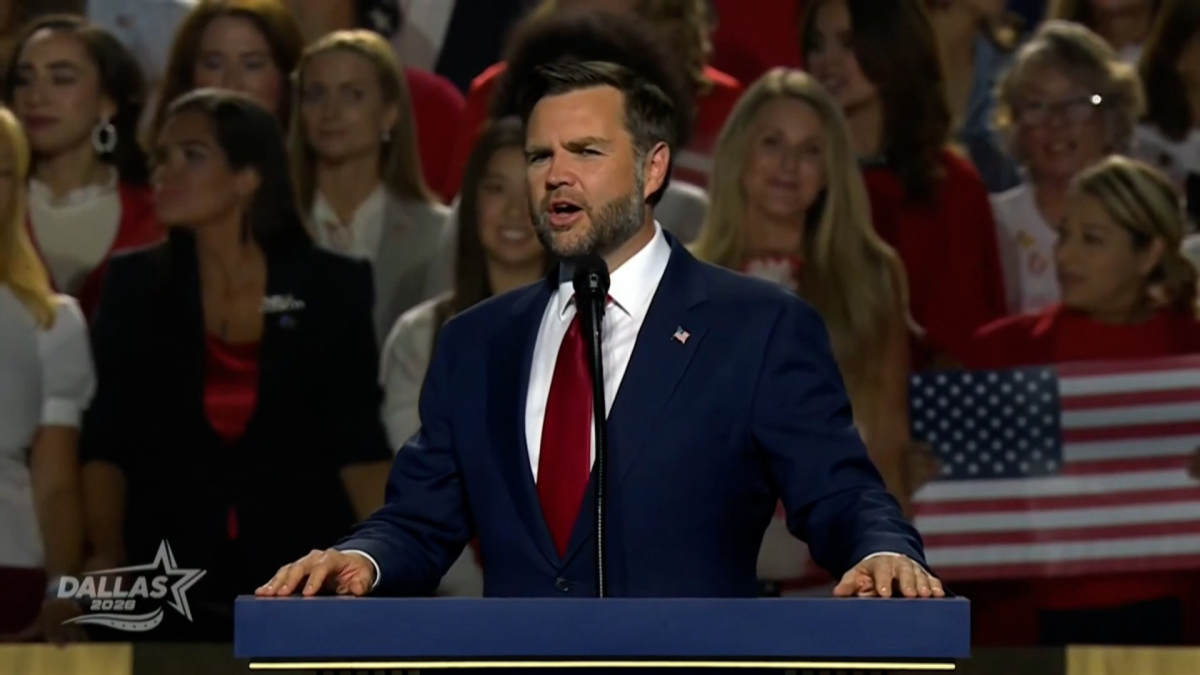
The 2026 midterms marked a significant shift in American politics. The Iran war had become a central issue, and its impact on the election results was undeniable. The Republican Party faced the challenge of redefining its position and addressing the concerns of its base. The coming years would be crucial as the party navigated these changes and prepared for the 2028 presidential election.
The 2026 midterm elections were a turning point in American politics. Vice President JD Vance’s public blame of the Iran war for the Republican Party’s defeat highlighted the need for a strategic reassessment. As the nation looks to the future, the Iran war will continue to shape political discourse and the direction of the Republican Party.