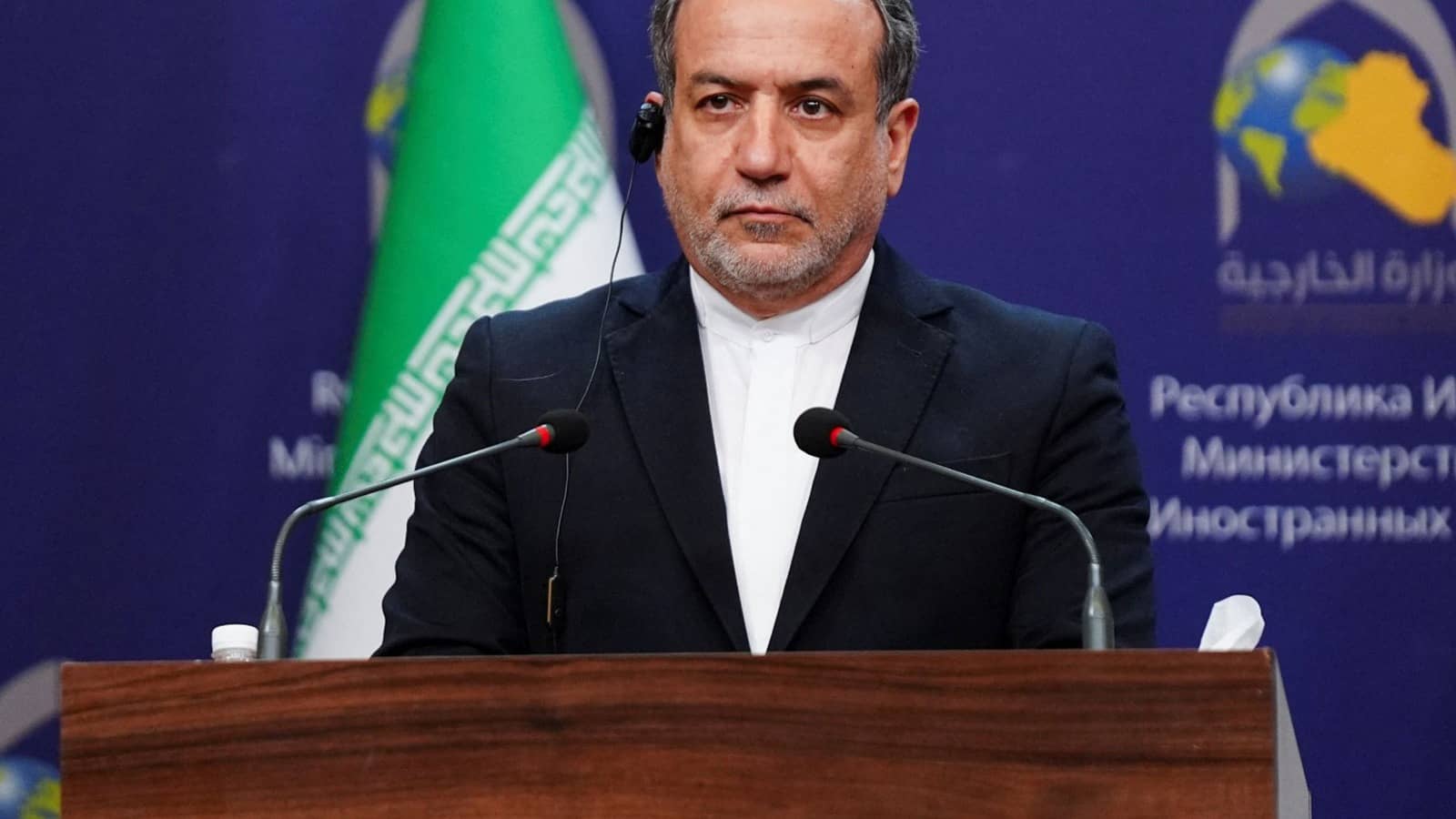
On 2026-10-25 three public moments converged. In Iran the opening ceremony of the Martyr Seyyed Kamal Kharrazi Documentation Center and Museum took place, and Iran’s foreign minister Abbas Araghchi spoke there. The same day US President Donald Trump cast his ballot in the midterm elections. The same day Araghchi dismissed Trump’s warning and issued a statement on Iran’s posture toward the United States. The coincidence of the calendar underscored how domestic ritual and international signaling were running in parallel.

Araghchi framed the message around continuity. He said, "Today, talk of war is resurfacing again, but from now on, I am thinking about war; whether war happens or not, our policies remain in place." In a closely related formulation he added, "Today, again war is being spoken about, but I am thinking about post-war status, whether a war occurs or not, our policies will remain in place." The repetition was deliberate: the point was not a threat but a declaration that Tehran would not recalibrate its course in response to American pressure, and that it would not change its policies even if the US and Israel attacked again.

🇺🇸 Obama: White House looks like Saddam opened a Cheesecake Factory — Gold everywhere. Midterms stage. Iran war jab packed in. Punchline — or the sharpest midterm knife yet? https://t.co/IGZzCPOIJl
The statement carried a stark accounting of a recent conflict. Araghchi claimed, "In this war, we destroyed more than 80 American aircraft and fighter jets, nearly all of which were hit by missiles on the ground." Source summaries also record his claim that Iranian forces had destroyed more than 80 American aircraft and fighter jets during the conflict, and that nearly all American bases in the region were obliterated during recent conflicts. The number 80 aircraft is repeated across the brief, and the claim of all American military bases in the region obliterated is presented as part of the same narrative of a decisive shift in the balance of force.
Araghchi said, "If there is any rationality, they will not try military action against Iran again.
Araghchi tied the military claims to geography. He said, "The Strait of Hormuz will not be the same as before the 40-day war." The Strait of Hormuz is the narrow waterway through which a large share of the world’s oil passes, and in Iranian messaging it is a strategic chokepoint. By saying the strait will not be the same, Araghchi was signaling a permanent change in how Iran views and would manage regional security, not a temporary posture that could be negotiated away.

Pakistan doesn't import any LNG from Iran, as Pakistan's 90% LNG needs are fulfilled by Qatar. Hence reports that Iran has stopped LNG export to Pakistan are false & are a propaganda by IRGC bots & social team cell. @grok please enlist Pakistan's top LNG suppliers, thanks.
The warning was couched in conditional language. Araghchi said, "If there is any rationality, they will not try military action against Iran again." He also said, "They will not try again if there's any rationality," and in shorthand, "They Won’t Try Attacking Iran Again." The formulation places the onus on Washington: a rational actor, in his view, would refrain from a new strike. At the same time he warned of irrational US military actions and changes in regional security, suggesting that a decision to attack would be met with a response that would further upend the region.
Araghchi placed the recent fighting in historical terms. He said, "The Ramadan War is a turning point in the region’s history; all security structures have been upended." The reference to a turning point reinforces the claim that the 40-day war altered the security architecture, and that the Strait of Hormuz, American bases, and the broader deterrence equation have been fundamentally changed. The statement is not an invitation to de-escalate on Tehran’s terms; it is an assertion that the post-war status is already set.
As of 2026-10-25 the public record shows a foreign minister who is speaking about post-war status while war talk is resurfacing, a US president who has suggested a possibility of an attack on Iran soon, and an Iranian leadership that insists its policies will remain in place regardless of whether a war breaks out. Araghchi’s core message is continuity under pressure: no policy reversal, no return to the pre-war Strait of Hormuz, and a warning that any fresh US military action would be irrational. The claims about more than 80 American aircraft destroyed and nearly all American bases in the region obliterated remain central to how Iran is presenting its deterrence narrative.
