For homeowners across Australia, the economic environment has shifted significantly. The Reserve Bank of Australia (RBA) has been forced to pivot, delivering five rate increases this year. This series of hikes has left many borrowers facing higher monthly bills. For a homeowner with a $600,000 mortgage, this shift means a tangible increase of about $500 per month, a sum that strains household budgets.

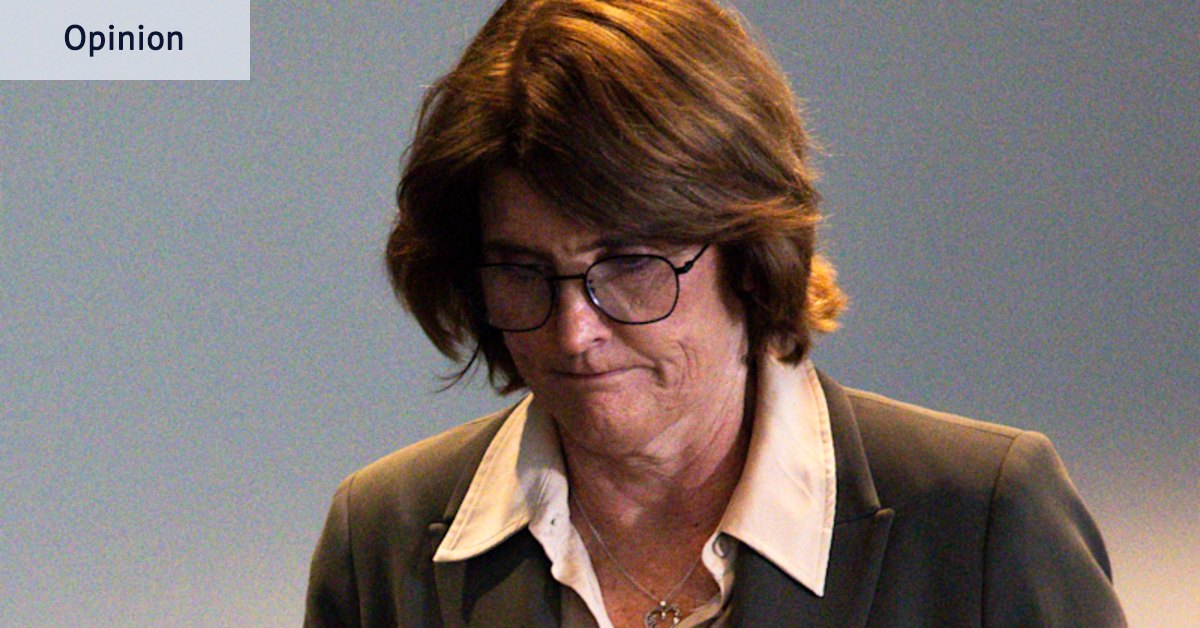
At the center of this financial climate is RBA Governor Michele Bullock. During a recent press conference, she addressed the bank’s policy decisions and the criticism regarding whether rates should have been raised further. Bullock offered a candid reflection on the limits of foresight regarding global trade tensions. "One thing they have in common is they are entirely certain about what needs to be done," she remarked. "I am not and I admit that."

Trump lost Congress, and India may be the next target for a quick trade win | US President Donald Trump could step up pressure on India to conclude a bilateral trade agreement following the Republican midterm setback as he seeks a quick economic and foreign policy win, trade policy expert Ajay Srivastava said, noting that the broader direction of US trade policy driven by economic nationalism and domestic manufacturing is unlikely to change since support for protective tariffs cuts across party lines, adding "With foreign policy leverage failing against Russia, China, and Iran, Trump needs a quick win. Expect heightened pressure on India for a trade deal to prove American clout" 📑 FULL STORY ➠ https://t.co/2XU3qOxfox #India #Trade #Trump #USElections #Economy
Bullock’s comments highlight the central anxiety gripping the Australian economy: the unpredictability of Donald J. Trump and his protectionist trade policies. The potential for trade tensions to impact the global economy remains a primary concern for the RBA. The bank is closely monitoring how these external shocks might influence domestic stability, forcing the RBA to remain cautious in its policy approach.
The potential for trade tensions to impact the global economy remains a primary concern for the RBA.
As the world watches political shifts, including the upcoming US midterm elections in November 2024, the RBA continues to manage the fallout of global trade uncertainty. The bank’s decision to hike interest rates for the fifth time this year is a direct response to these pressures. Bullock’s approach reflects a deep understanding of the risks involved, as the RBA works to maintain stability while Australian families adjust to the rising costs of their mortgages.

I think it should be clear to everyone by now that the results of these midterm elections are largely a reflection of Donald Trump's actions, policies, and the way he has governed the country over the past two years. His approach toward traditional allies, his foreign policy decisions, the growing tensions with America's international partners, and the rising cost of living have all contributed to growing public dissatisfaction. Trump made numerous promises to the American people, particularly regarding the economy, prices, and making life more affordable. Yet, for many Americans, the reality has been quite different. Instead of seeing the improvements they were promised, many have faced continued economic pressure and uncertainty. The results we are witnessing over these past hours are therefore not particularly surprising. Midterm elections have always been an opportunity for voters to hold the party in power accountable, and this time many Americans have chosen to send a clear message to the White House. Ultimately, this is about more than individual races or seats in Congress. It is a reflection of public confidence in the administration, its priorities, and the direction in which it is taking the country.